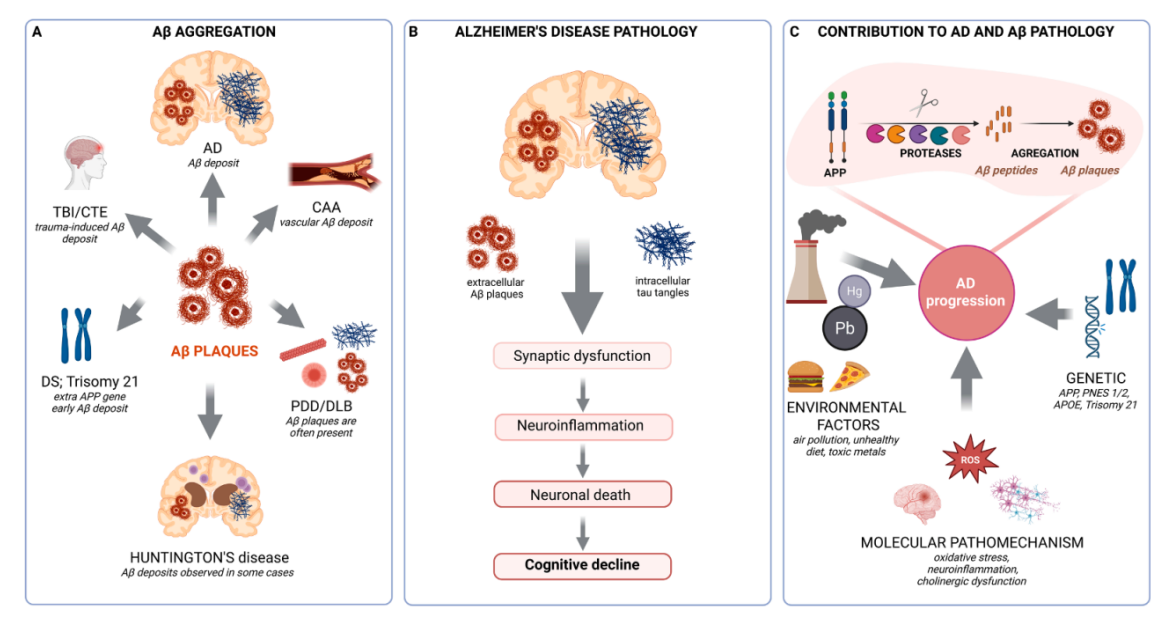
Amyloid-beta precursor protein (APP, AD1), as a cell surface receptor, plays a physiological role in neuronal processes such as neurite growth, neuronal adhesion, and axonogenesis. The interaction of APP molecules between neighboring cells promotes synapse formation. Amyloid precursor protein (APP) is crucial for normal brain development, neurogenesis, neuronal survival, and synaptic transmission. Dysregulation of APP homeostasis leads to the deposition and accumulation of amyloid-beta (Aβ) in the brain parenchyma and cerebral blood vessels, resulting in Alzheimer's disease and cerebral angioamyloidosis.
(Data source: Senkowska Z, et al. Ageing Res Rev. 2026)
APP expression and structure
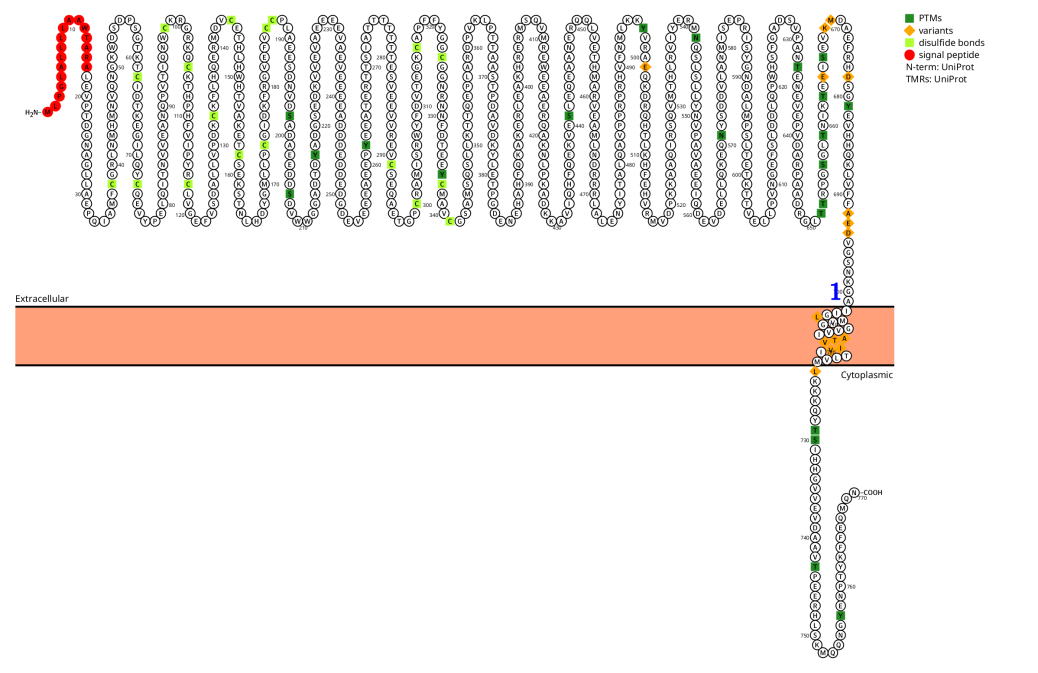
APP belongs to a family of glycoproteins highly expressed in the human brain, kidneys, and platelets. APP is a type I transmembrane protein with a large extracellular N-terminal domain and a short intracellular C-terminal domain, which perform important physiological functions. The extracellular domain of APP consists of several subdomains with different structural features. The copper-binding domain (CuBD) consists of a small β-sheet and an α-helix, which binds copper ions. The heparin-binding domain (HBD) consists of a β-sheet and a flexible loop, which interacts with heparin and other glycosaminoglycans. The growth factor-like domain shares structural similarities with certain growth factors, consisting of a β-sheet and a short α-helix. The different subdomains of the extracellular domain are arranged in a compact and spherical manner, enabling them to interact with a variety of ligands and extracellular matrix proteins. The transmembrane domain of APP is a single-stranded α-helix that spans the cell membrane. This helix is amphiphilic, with hydrophobic residues facing the membrane and hydrophilic residues facing the cytoplasm and extracellular environment. The transmembrane region is crucial for the stability and localization of APP within the cell membrane and also participates in the interaction of APP with other transmembrane proteins. The adjacent transmembrane region of APP contains a GxxxG motif that promotes APP dimerization and interaction with other transmembrane proteins. The cytoplasmic region of APP contains several conserved motifs, including YENPTY, which can interact with intracellular signaling molecules. The cytoplasmic region is also involved in the regulation of APP transport and processing, and mutations in this region are associated with an increased risk of Alzheimer's disease (AD).
(Data source: protter)
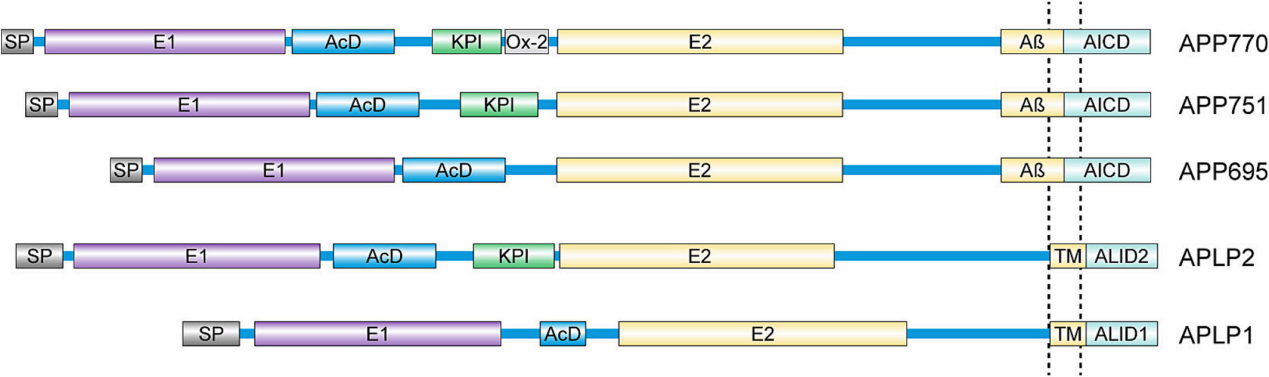
Alternative splicing of the APP gene results in three distinct isoforms encoding 695, 751, and 770 amino acids. APP695 is primarily expressed in brain neurons, while vascular endothelial cells primarily express APP751 and APP770. The extracellular domain of APP770 comprises a cysteine-rich globular domain (E1), an acidic domain (AcD), a KPI domain, an oxidation-2 domain (Ox-2), and a helical-rich domain (E2). Aβ extends from the E2 domain to the cell membrane and is adjacent to the C-terminal intracellular domain (AICD) generated by γ-secretase-mediated cleavage of APP. Human APP751 lacks the Ox-2 domain, while APP695 lacks both the Kunitz-type serine protease inhibitor (KPI) domain and the Ox-2 domain. The KPI domain of APP expressed in platelets and vascular endothelial cells is crucial for maintaining normal hemostasis. The oxid-2 domain is involved in protein-protein interactions and cell signaling.
(Data source: Katusic ZS, et al. Pharmacol Ther. 2025)
APP processing methods
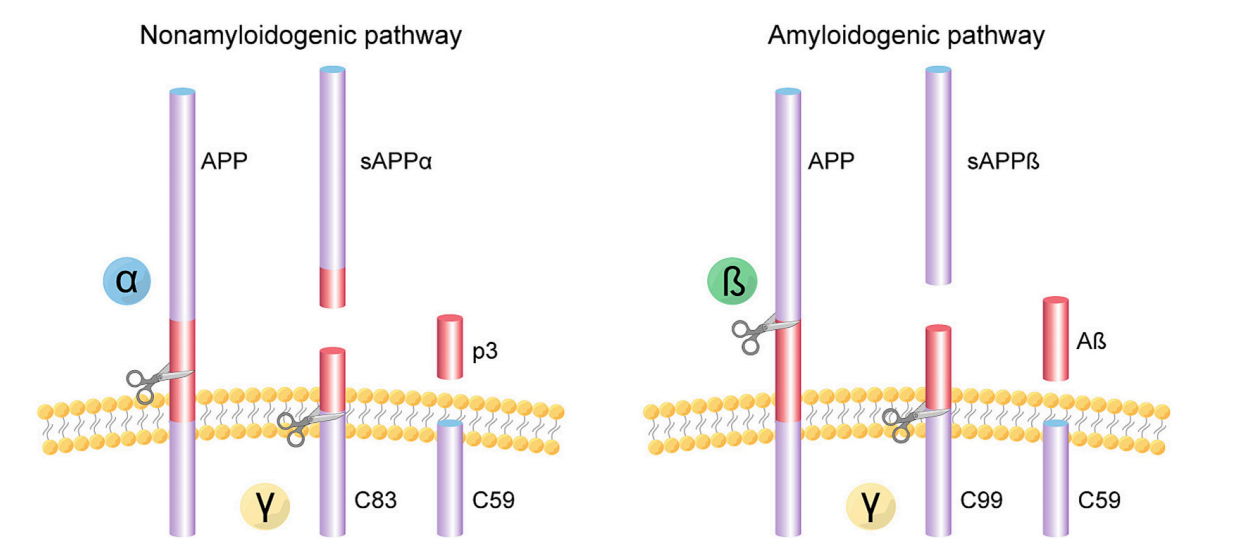
Applied APP (APP) is processed via two main pathways: the amyloidogenic pathway and the non-amyloidogenic pathway. In the non-amyloidogenic pathway, APP is first cleaved by an α-secretase within the Aβ sequence, generating the sAPPα surface domain. This is then further processed by a γ-secretase, releasing the p3 fragment. In the amyloidogenic pathway, β-secretase (BACE1) cleaves APP to generate the sAPPβ surface domain. Subsequently, γ-secretase further processes APP, releasing the toxic Aβ fragment.
(Data source: Katusic ZS, et al. Pharmacol Ther. 2025)
APP cell regulation and metabolism
The digestive and metabolic cycle of APP is secreted via endocytosis; phosphorylated AICD interacts with JNK, leading to cell death; interacts with JUN N-terminal kinase-interacting protein (JIP), leading to cell differentiation; and interacts with Fe65 or JIP, leading to nuclear transport and regulation of gene transcription (NMDAR). Calcium ions (Ca2+) and glutamate (Glu) jointly activate NMDA receptors (NMDARs). NMDAR receptor activation enhances membrane expression of AMPA receptors (AMPARs) and activates nuclear transcription factors.
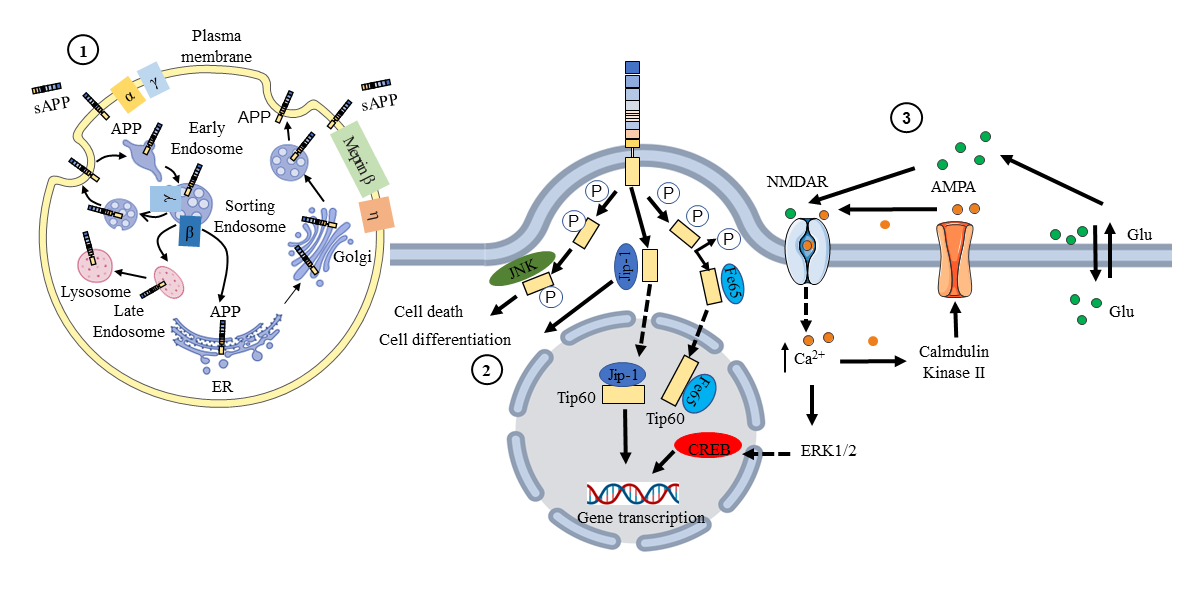
(Data source: Chen J, et al. Aging Dis. 2024)
Targeted therapy of APP
In Alzheimer's disease (AD), the primary targeted therapy for apnea-proliferative antigens (APA) is immunotherapy. This strategy relies on enhancing immune cells such as B and T lymphocytes and activating microglia to improve their phagocytic capacity. Immunotherapy reduces the levels of extracellular pro-inflammatory antigens, stimulates microglia to clear toxic aggregates, and alleviates potentially harmful microglial inflammatory responses, thereby producing a neuroprotective effect and slowing disease progression. Currently, two antibody drugs (Lecanemab and Aducanumab) have been approved by the FDA, and numerous other antibody drugs are in clinical trials.
Anselamimab is a monoclonal antibody targeting APP, developed by AstraZeneca. By specifically binding to amino acid targets on misfolded amyloid fibers, Anselamimab promotes the destruction and clearance of amyloid deposits without disrupting the natural free light chains. The CARES clinical program comprised two parallel, global, phase III, randomized, double-blind, placebo-controlled, multicenter trials evaluating the efficacy and safety of anselamimab in combination with standard of care (SoC) in patients with light chain (AL) amyloidosis and cardiac involvement. The CARES phase III clinical program did not meet its primary endpoint in the overall AL amyloidosis population, but demonstrated Anselamimab as a potential first-in-class antifibrotic therapy for kappa AL amyloidosis.
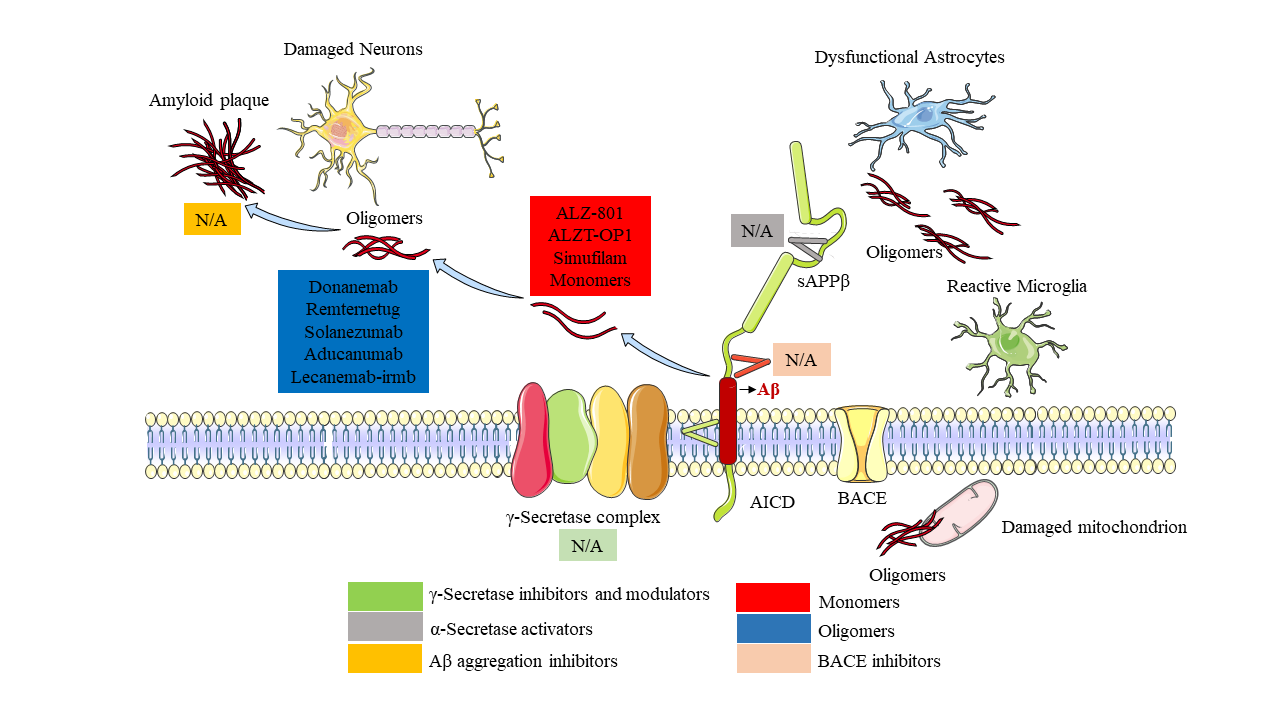
(Data source: Chen J, et al. Aging Dis. 2024)
Sabirnetug (ACU193) is an immunotherapy candidate designed to selectively target toxic soluble amyloid-β oligomers (AβOs). Since AβOs are an early trigger and persistent driver of Alzheimer's disease-related pathology and neurodegeneration, Sabirnetug aims to address the root cause of Alzheimer's disease by preventing toxic AβOs from binding to dendritic spiky processes, thereby helping to maintain neuronal function. NCT06335173 is a global phase II clinical trial designed to evaluate the efficacy and safety of intravenously administered Sabirnetug in early-stage Alzheimer's disease.
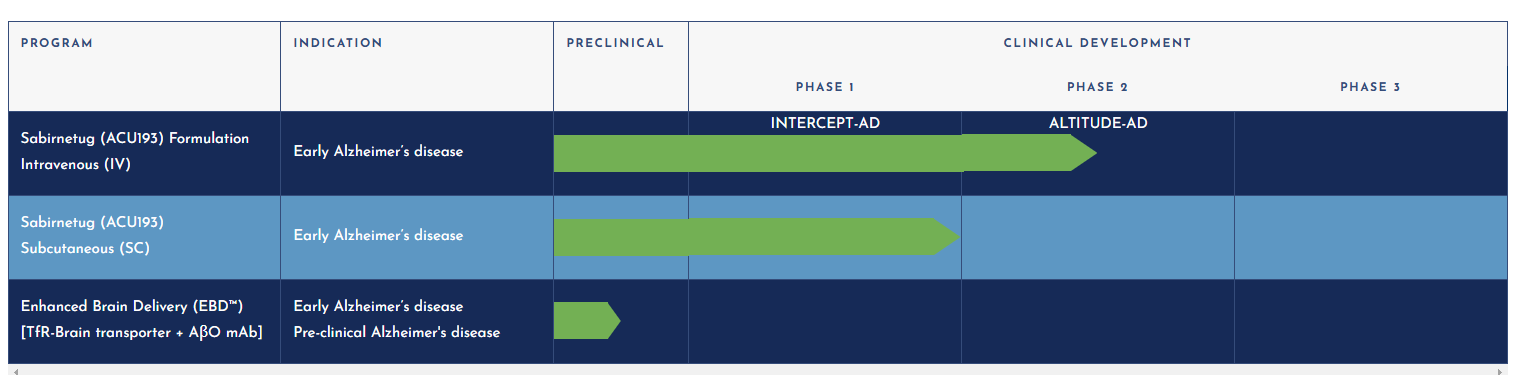
(Data source: Acumen Pharmaceuticals official website)
Trontinemab (RG6102) is an experimental Brainshuttle™ bispecific 2+1 amyloid-β antibody for Alzheimer's disease, specially designed to enhance its ability to enter the brain, thereby rapidly reducing amyloid protein. Trontinemab is designed to efficiently cross the blood-brain barrier, target aggregated forms of amyloid-β, and clear amyloid plaques in the brain. On April 3, 2025, Roche announced that the trontinemab Phase Ib/IIa Brainshuttle™ study demonstrated dose-dependent rapid clearance of amyloid protein in the brain and the potential of the Elecsys® pTau181 plasma test to exclude amyloid pathology. Trontinemab has a good safety and tolerability profile. The drug is currently in Phase 3 clinical trials.
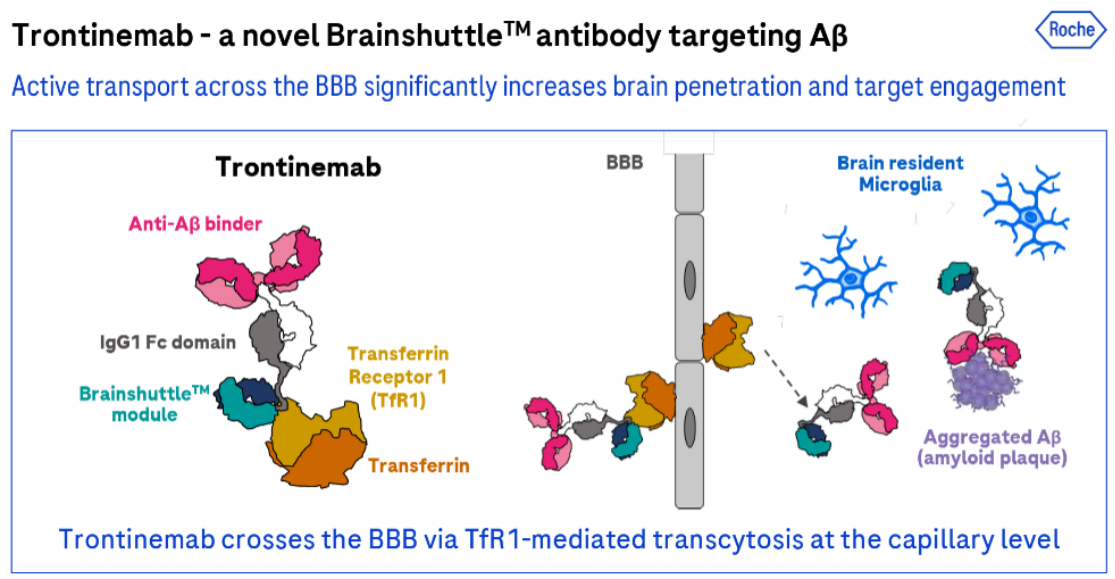
(Data source: Roche official website)
