Fibroblast growth factor 14 (FGF14), a member of the FGF11 subfamily, plays a role in all fundamental properties of neurons: intrinsic firing, synaptic transmission and plasticity of both excitatory and inhibitory neurons.
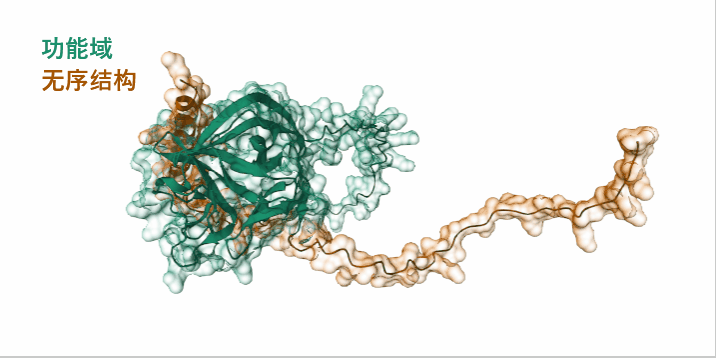
(Data source: AlphaFold)
FGF14 is composed of 247 amino acids and is an intracellular non-secretory protein. It is subcellularly localized in the cell nucleus. The main functional domain is the full-length segment, which contains a disordered structure at the N-terminus and the C-terminus respectively.

(Data source: Uniprot)
The N-terminus of FGF14 is alternatively spliced into two isoforms: FGF14-1a and FGF14-1b. FGF14-1a shares sequence homology with FGF12-1a and FGF13-1a, while the C-terminus of FGF14-1b contains a unique 69-amino acid sequence.
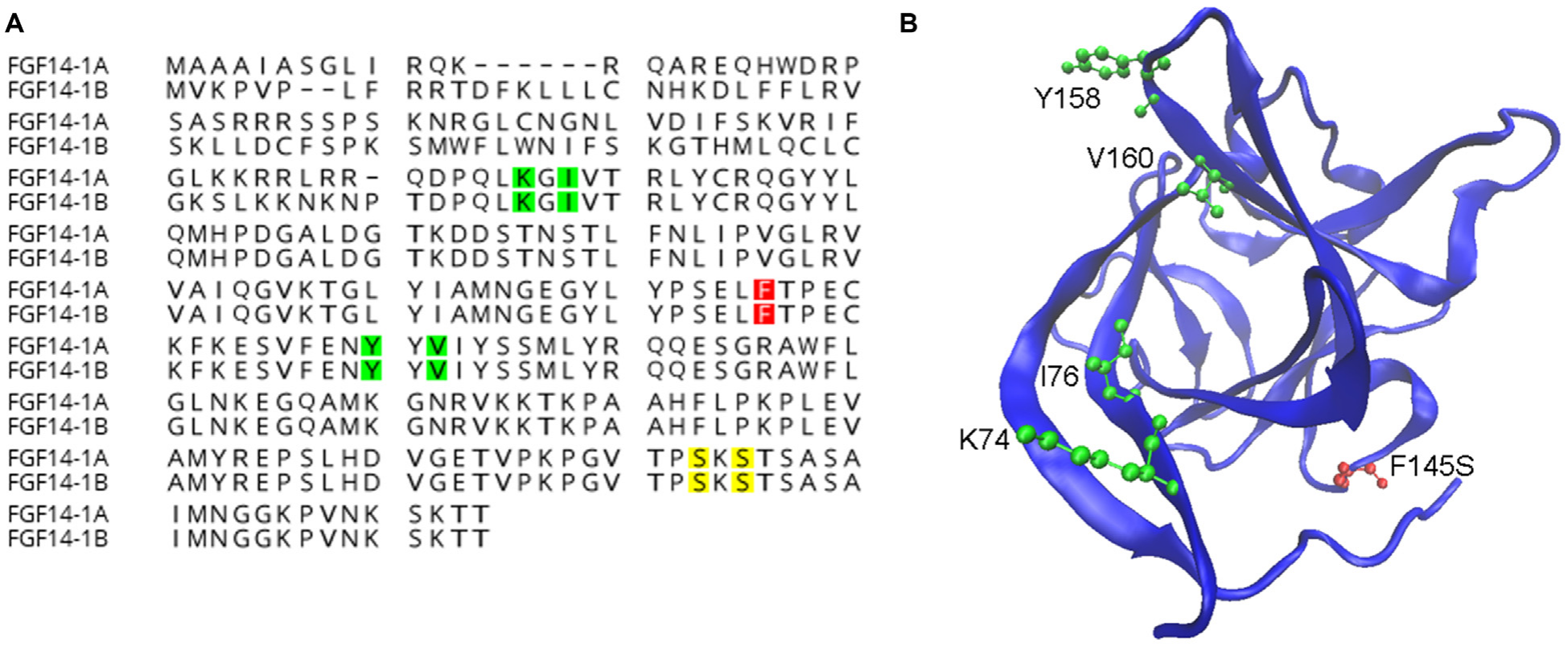
(Data source: Di Re J, et al. Front Cell Neurosci. 2017)
FGF14, as a voltage-gated Na + (Na v ) channel interacting protein, regulates presynaptic Ca 2+ channels and synaptic transmission, affecting excitatory neuronal channel gating, axonal targeting, and phosphorylation.
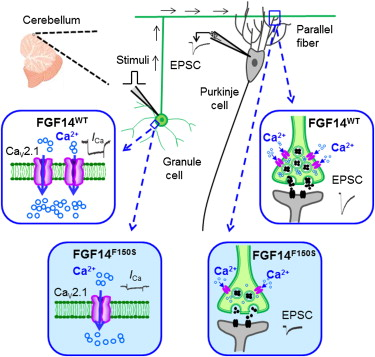
(Data source: Yan H, et al. Cell Rep. 2013)
Multiple linkage and genome-wide association studies (GWAS) have implicated FGF14 as a putative risk factor for other neuropsychiatric disorders, including depression, addiction, and schizophrenia, as well as neurodegenerative diseases such as Alzheimer's disease.
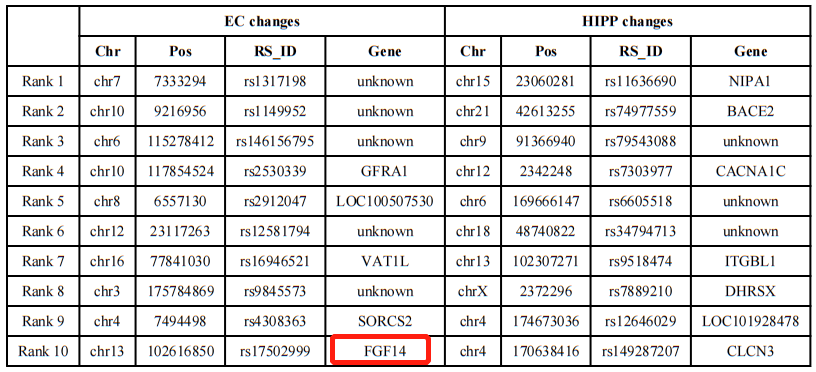
(Data source: Yang T, et al. Proc IEEE Int Symp Biomed Imaging. 2015)
In addition, FGF14 [GAA]≥250 repeat expansion was found in the genomes of 128 patients with late-onset cerebellar ataxia. This dominantly inherited intronic GAA repeat expansion was significantly correlated with the onset of late-onset cerebellar ataxia.
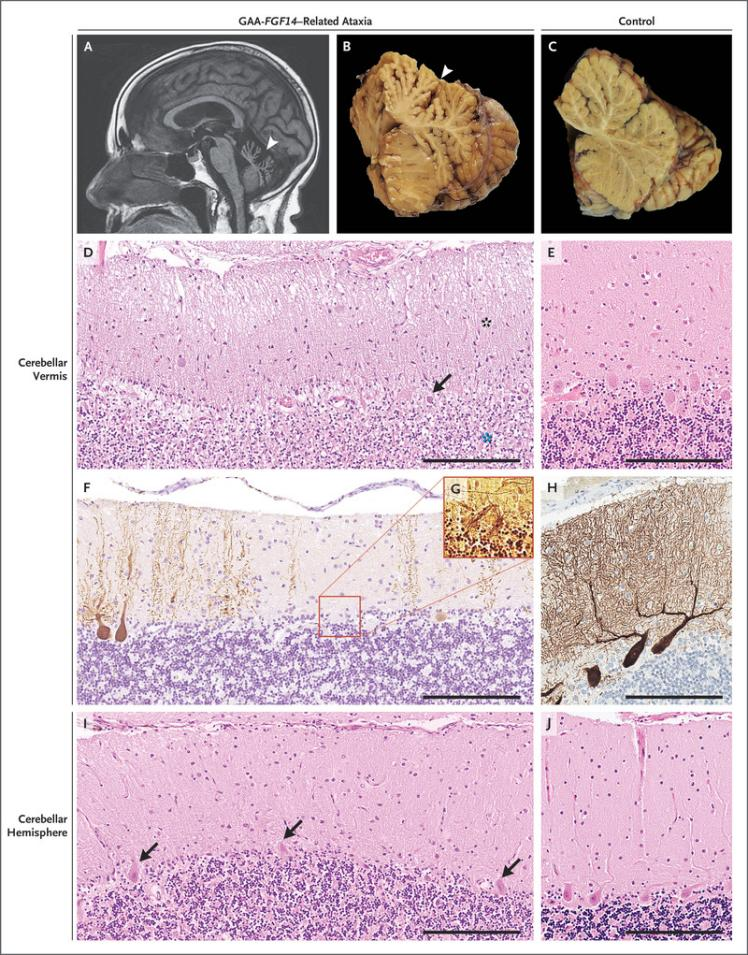
(Data source: Pellerin D, et al. N Engl J Med. 2023)
The mechanism of action of FGF14 in humans is not yet fully understood, but emerging technologies for genome sequencing and protein characterization will provide potential opportunities to identify new brain disease characteristics related to FGF14 and provide support for the early realization of its clinical value.
