CD51, also known as integrin αV (ITGAV), can form heterodimers with β1, β3, β5, β6 and β8, respectively, to form Alpha V integrins, which play various physiological roles in tumor development, such as cell adhesion and migration.
Distribution of CD51
CD51 is expressed in many types of cells, including endothelial cells, epithelial cells, glial cells, muscle cells, trophoblast cells, immune cells, etc., and plays an important role in various biological processes, including cell adhesion, migration, proliferation and signal transduction.
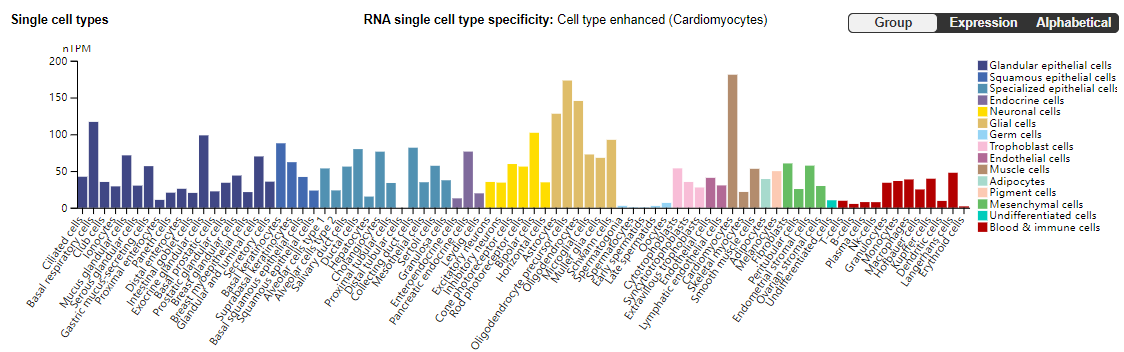
(Data source: uniprot)
Structure of CD51
CD51 is a type I transmembrane protein composed of 1048 amino acids with an extracellular domain, a transmembrane region, and an intracellular tail. This structure enables it to transmit extracellular signals into the cell. CD51 can non-covalently bind to integrin β subunits (such as β3, β1, β5, and β6) to form different integrin heterodimers.
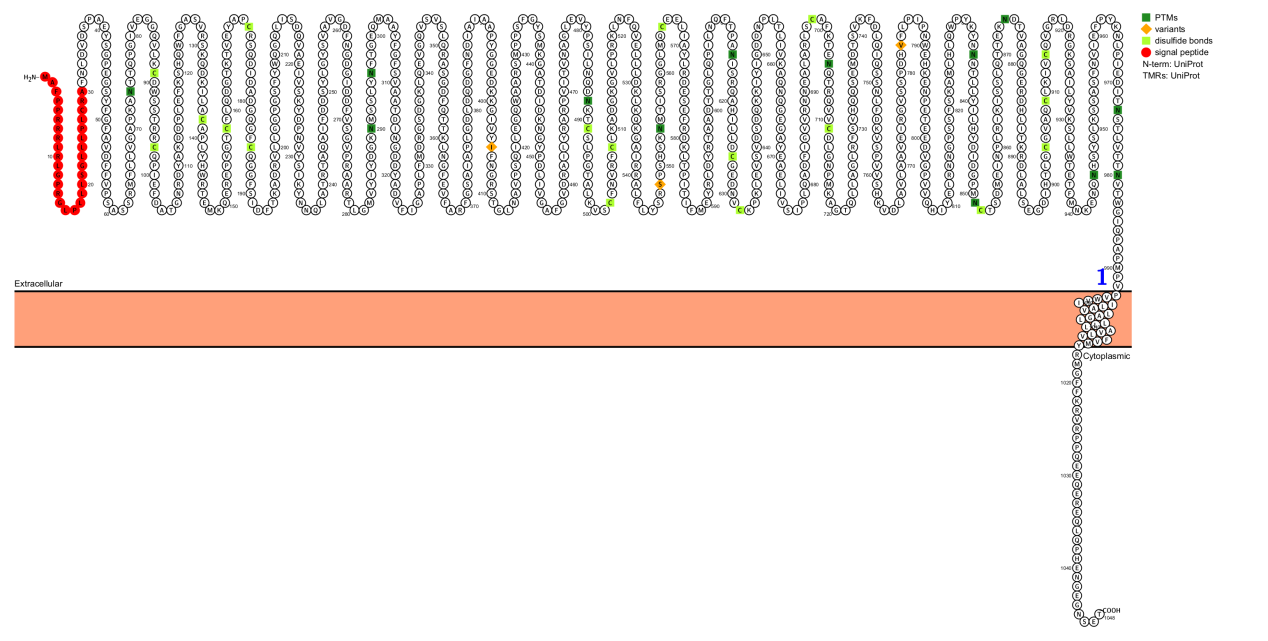
(Data source: Uniprot)
Functions of CD51:
CD51, together with its β subunit, forms an alpha V integrin, which is involved in regulating tumor development and progression. It can synergize with multiple receptor tyrosine kinases (such as EGFR, ErbB2, and Met) to promote tumor cell proliferation. The combination of integrin and TGFβ signaling triggers both canonical (Smads) and non-canonical (Rho GTPases and MAPKs) signaling, inducing EMT and the malignant progression of cancer.
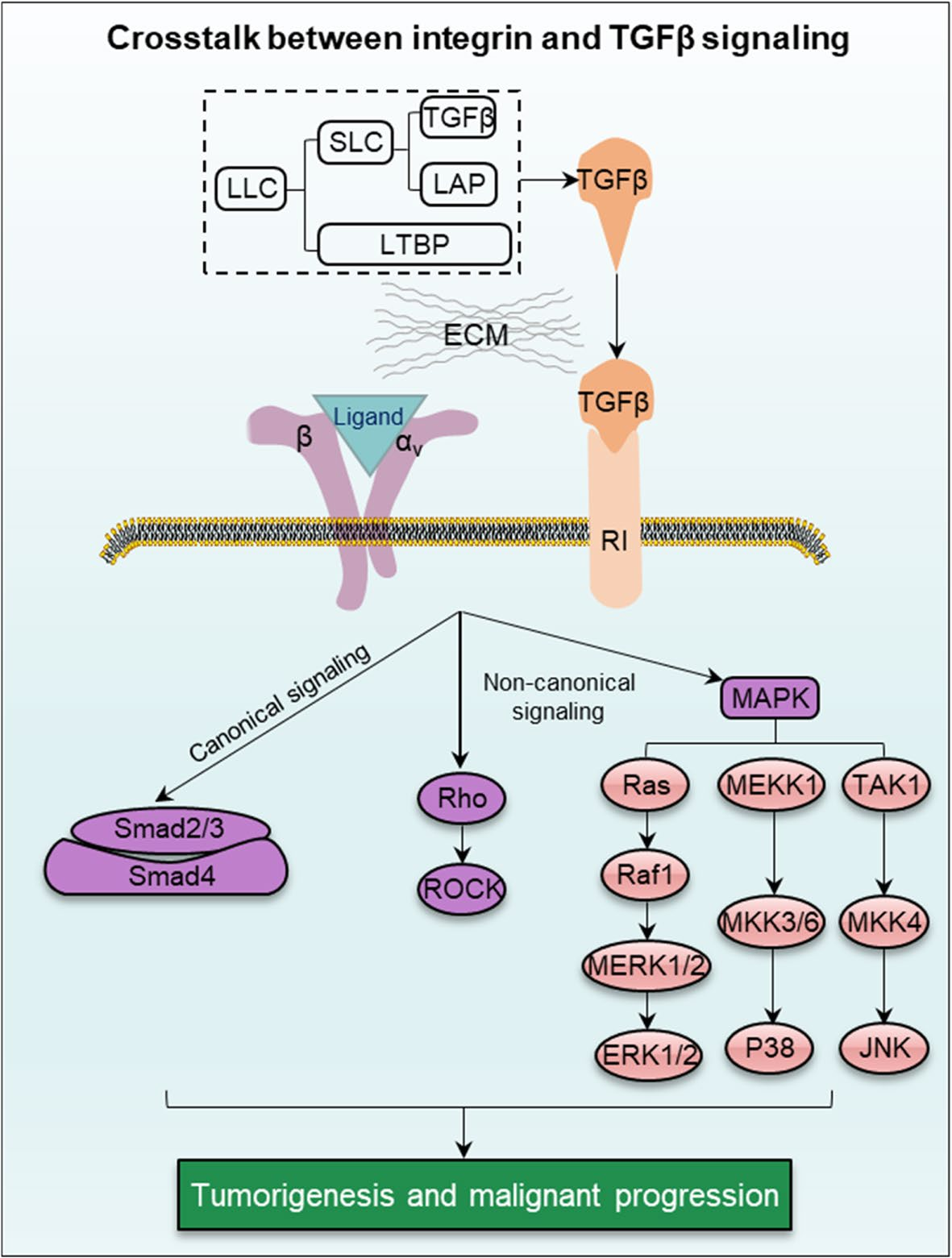
(Data source: Li S, et al. Cell Commun Signal. 2023)
CD51 and diseases:
CD51 expression levels are significantly higher in hepatocellular carcinoma (HCC) tissue than in normal tissue. CD51 expression and localization serve as important prognostic indicators for HCC patients and are expected to become a potential biomarker for HCC diagnosis and prognostic assessment. A study has reported a novel mechanism in which CD51 is directly cleaved by the γ-secretase complex to generate an intracellular domain (CD51-ICD). This study found that CD51-ICD promotes tumor progression by enhancing oxidative phosphorylation (OXPHOS), and that periostin (POSTN), primarily secreted by CAFs, can bind to CD51 on HCC cells and promote CD51 cleavage. Furthermore, the combination of the CD51 inhibitor cilengitide and the selective γ-secretase inhibitor LY3039478 was found to significantly inhibit HCC invasion and metastasis.
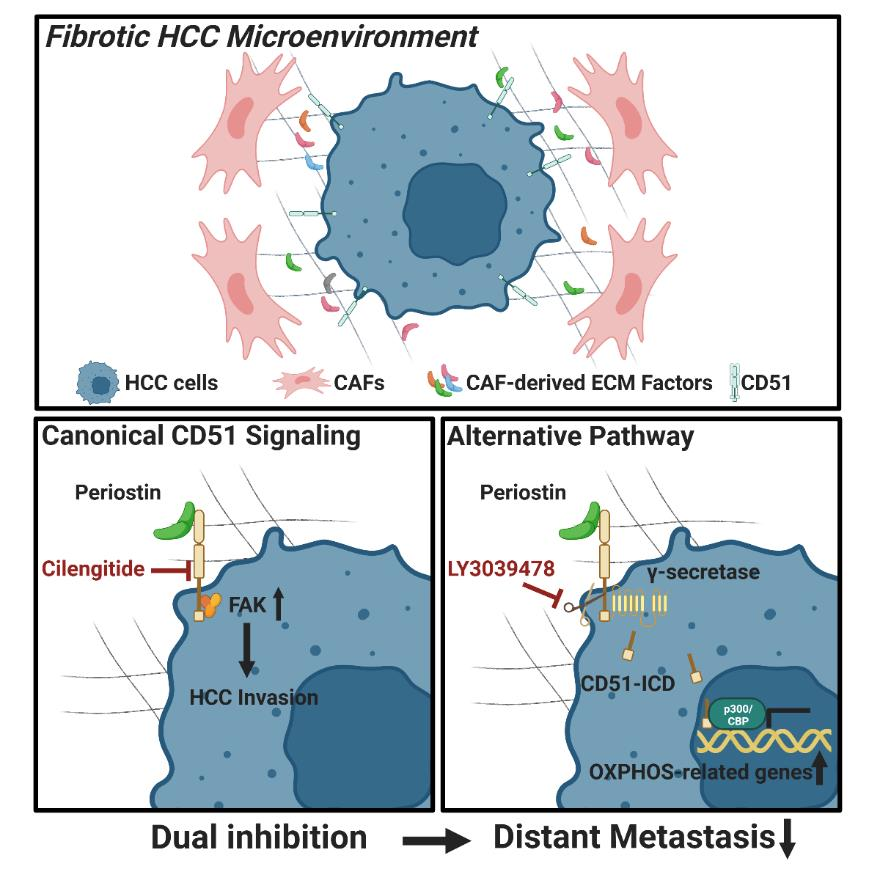
(Data source: Cai J, Wang J, Jiang C, et al. J Hepatol. 2023)
