Service Support
Mabnus Biotech provides recombinant protein expression, kinetic simulation, and SPR detection services for HSPA9 and PINKI.
Background
Clinical treatment of intervertebral disc degeneration (IVDD) faces significant challenges, as nucleus pulposus cells (NPCs) rely on mitochondrial homeostasis to maintain survival, matrix metabolism, and oxidative stress resistance. Adipose-derived stem cell (ADSC)-derived vesicles are being explored as a cell-free therapy for IVDD because they can modulate oxidative stress, inflammation, cell death, and matrix metabolism in NPCs. Donor cell senescence is a challenge. Senescent cells alter the secretion and composition of exosomes (EVs), and senescence-associated vesicles can transmit stress signals to neighboring cells. Therefore, in the context of ADSC-derived vesicle therapy, a key issue is not only whether the vesicles are taken up by NPCs, but also whether they deliver functional or damaged mitochondrial material. Under senescent stress conditions, it remains unclear whether PINK1-labeled mitochondria can be redirected to the release of extracellular microvesicles (MVs). If this pathway holds, it would transform the mitochondrial quality control defects in donor cells into an intercellular transfer mechanism for delivering mitochondrial DAMPs (mitochondrial damage-associated molecules). It remains unclear what molecular aptamers connect damaged mitochondria to MV biosynthesis, and how this sorting decision affects MV function.
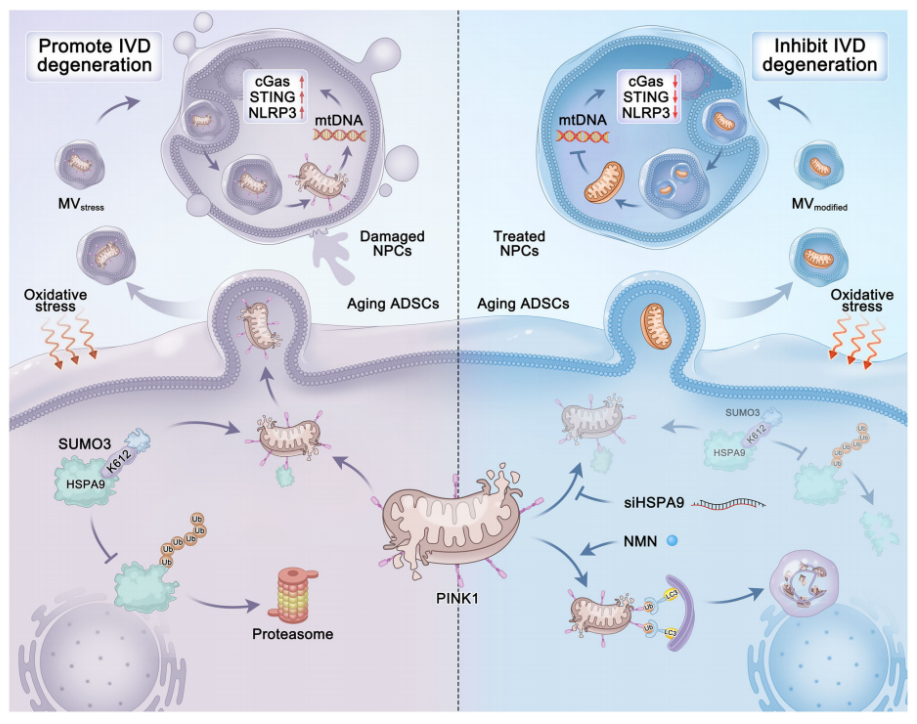
In 2026, Ou Zixuan from Union Hospital, Tongji Medical College, Huazhong University of Science and Technology, published a study in Advanced Science entitled "Donor-Cell Senescence Redirects PINK1-Marked Mitochondrial Cargo From Mitophagy to Microvesicle Transfer Through SUMO3-Stabilized HSPA9". The study showed that senescent adipose-derived stem cells (ADSCs) can redirect damaged mitochondria to microvesicles (MVs), thereby transforming protective vesicles into degenerative carriers. After PINK1-labeled oxidatively damaged mitochondrial cargo from senescent ADSCs is transported to nucleus pulposus cells (NPCs), it disrupts mitochondrial homeostasis in recipient cells, activates the cGAS-STING-NLRP3 inflammatory pathway, and exacerbates intervertebral disc degeneration. HSPA9 is a mitochondrial cargo sorting adaptor protein. Senescence stress induces SUMO3 linkage at the K612 position of HSPA9, thereby stabilizing HSPA9 by restricting ubiquitin-proteasome degradation. Stable HSPA9 utilizes its peptide-binding domain to interact with the activated PINK1 kinase domain, linking PINK1-positive damaged mitochondria to Annexin A1-associated vesicle structures. This SUMO3-HSPA9-PINK1 module diverts damaged mitochondria from the PINK1-Parkin mitochondrial phagocytosis pathway to vesicle-mediated mitochondrial translocation. Reprogramming donor cells to inhibit the release of damaged mitochondria and enhance mitochondrial phagocytic clearance restored the therapeutic efficacy of senescent ADSC-derived microvascular endothelial cells in vivo. These findings suggest that the fate of mitochondrial cargo acts as a switch mediating vesicle repair and degeneration.
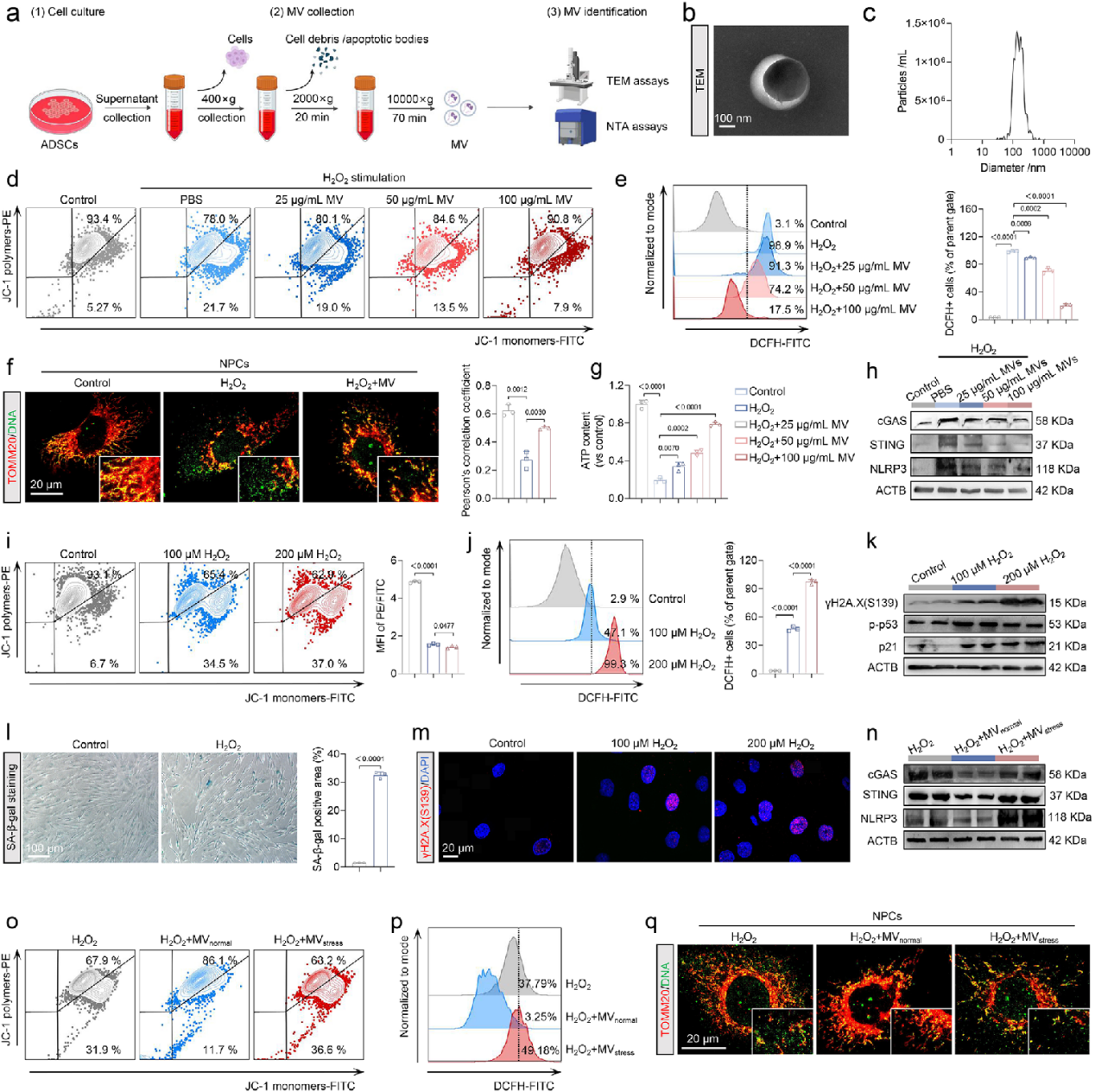
Senescent ADSC-derived MVs lose their protective function and exacerbate mitochondrial inflammatory damage in NPCs.
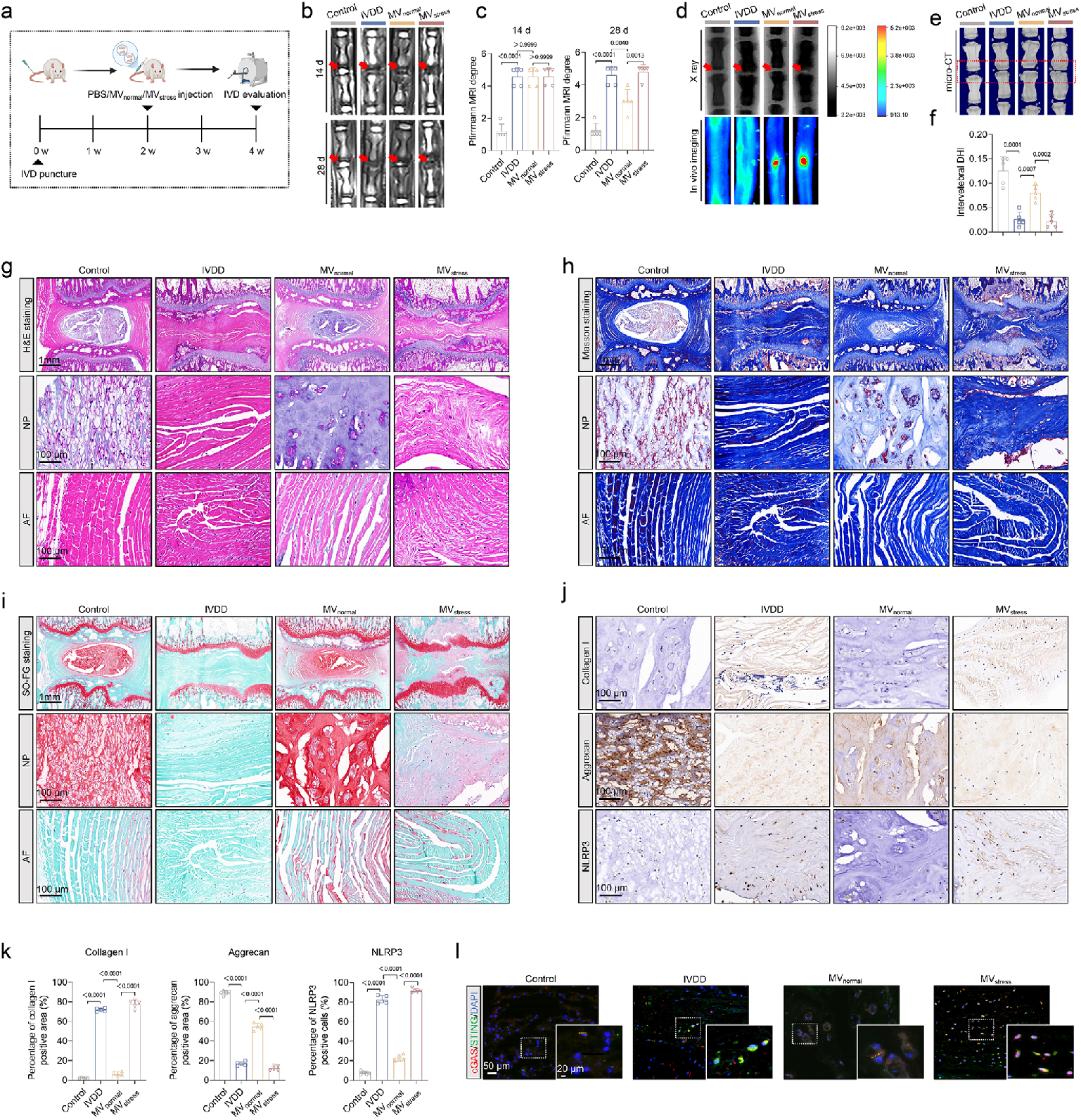
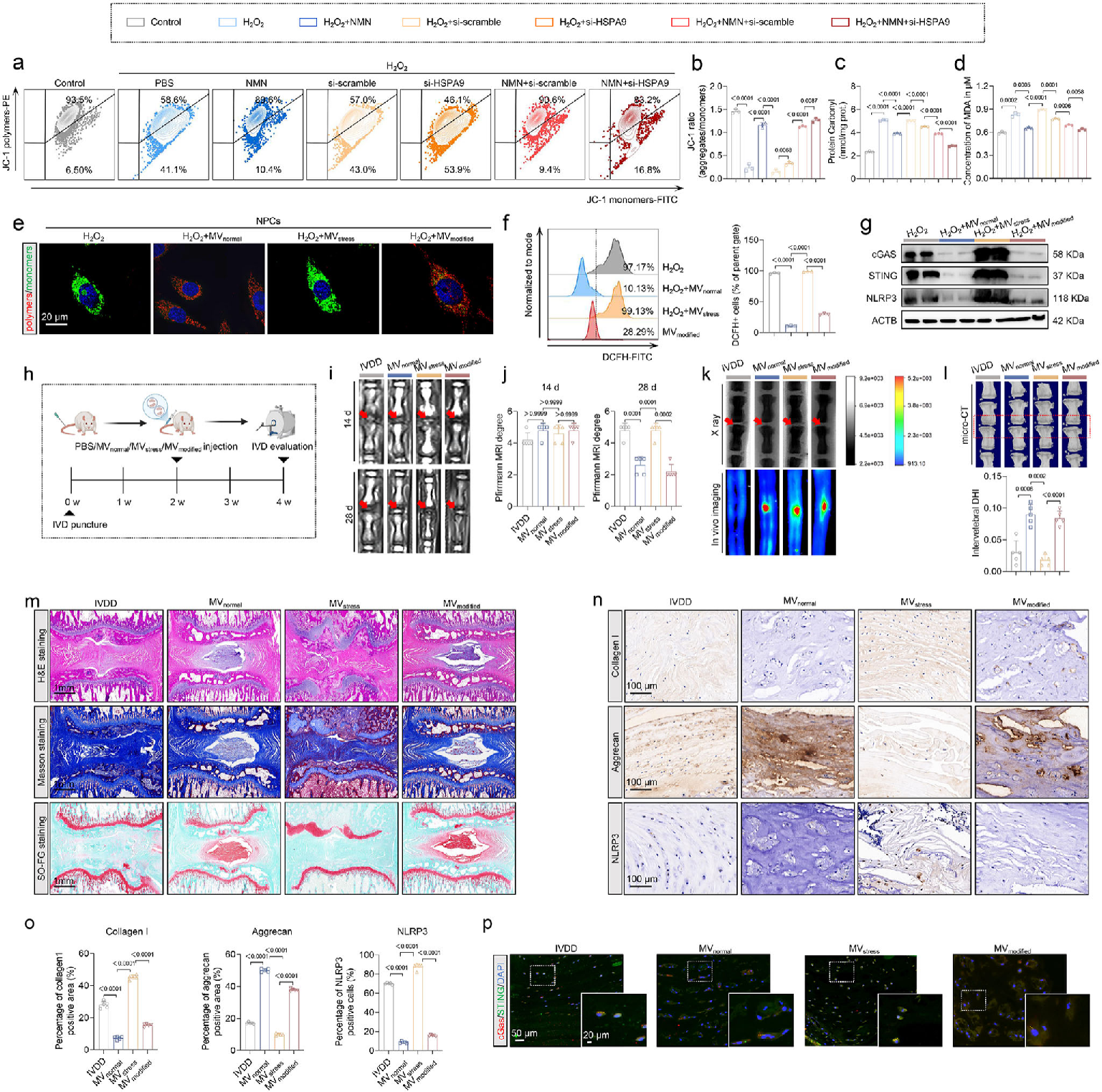
In receptor NPCs, normal ADSC-derived MVs (MVnormal) can restore mitochondrial membrane potential, reduce ROS accumulation, and inhibit the cGAS-STING-NLRP3 inflammatory pathway in H₂O₂-damaged NPCs. Senescent ADSC-derived MVs (MVstress) not only lose their protective effect but also maintain and enhance cGAS/STING/NLRP3 expression, exacerbating mitochondrial inflammatory damage in NPCs . In vivo experiments showed that in a rat caudal intervertebral disc puncture IVDD model, MVnormal partially preserved T2 signal and reduced degeneration, while MVstress failed to improve MRI degeneration scores and thus failed to exert a protective effect.
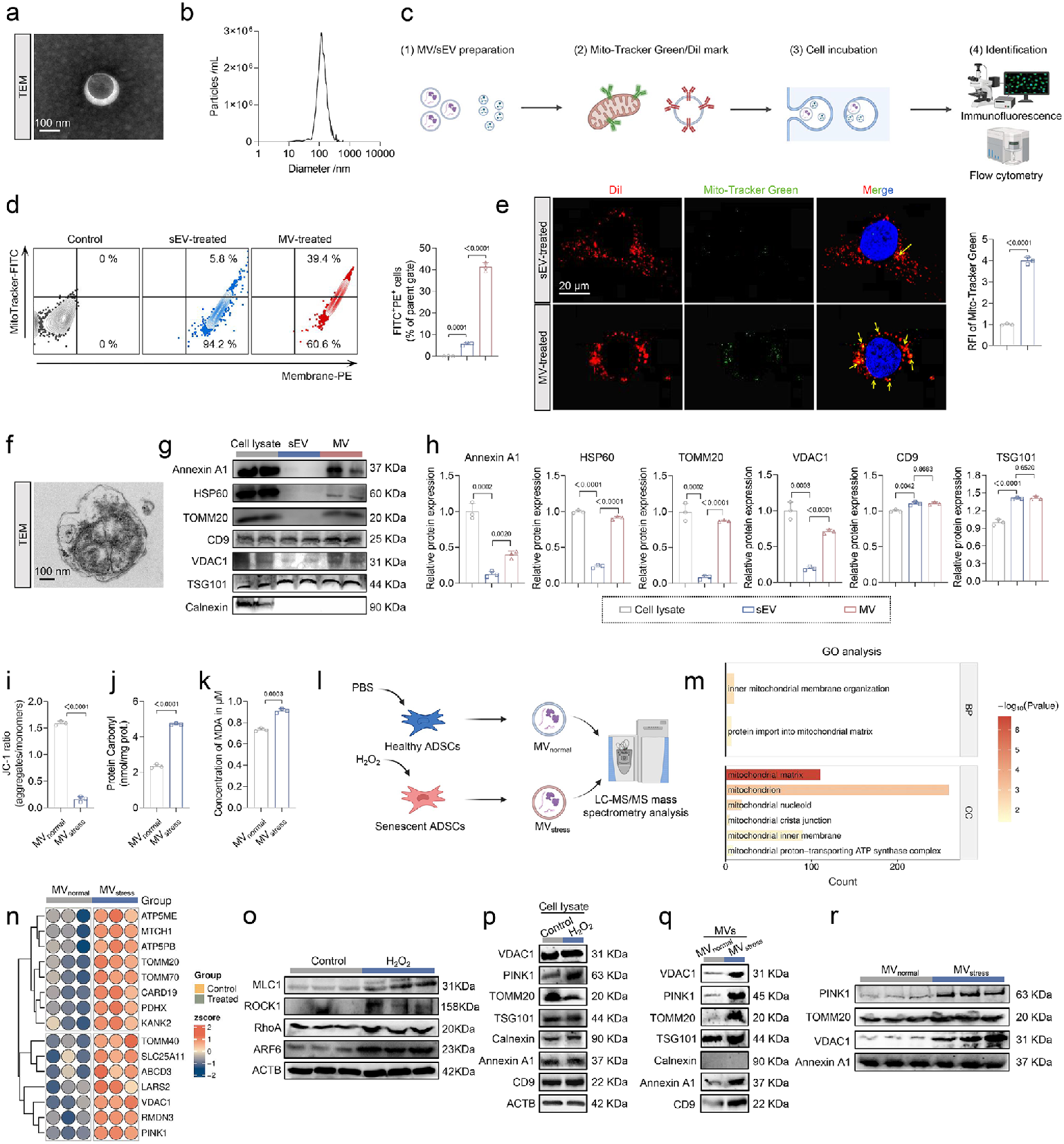
Senescent ADSCs preferentially release MVs rich in damaged mitochondria.
MVs carry more mitochondrial components than small extracellular vesicles (sEVs). MVstresses are enriched with mitochondrial proteins such as PINK1, VDAC1, and TOMM20, and these mitochondrial cargoes exhibit oxidative damage characteristics such as decreased membrane potential, increased protein carbonylation, and elevated MDA. Aging also increases the overall release of MVs (regulated through the MLC1/ROCK1/RhoA/ARF6 pathway).
HSPA9-mediated PINK1-labeled damaged mitochondria were sorted into senescent ADSC-derived exosomes.
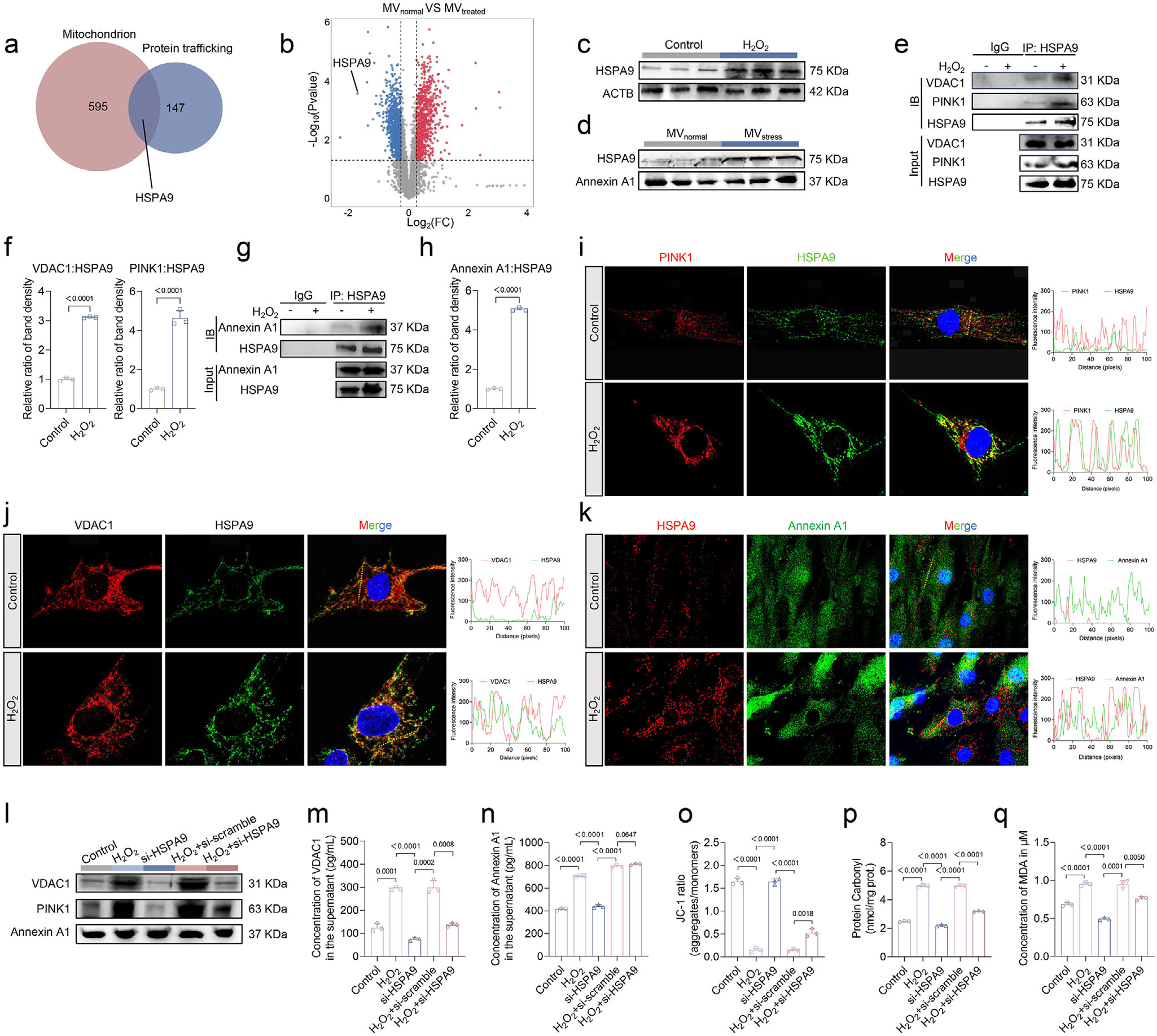
Proteomics screening revealed that HSPA9 is located at the intersection of "mitochondrial-associated proteins" and "protein transport-associated proteins." HSPA9 is a key cross-regulatory node. HSPA9 recognizes the stress-activated PINK1 kinase domain through its peptide-binding domain (PBD).
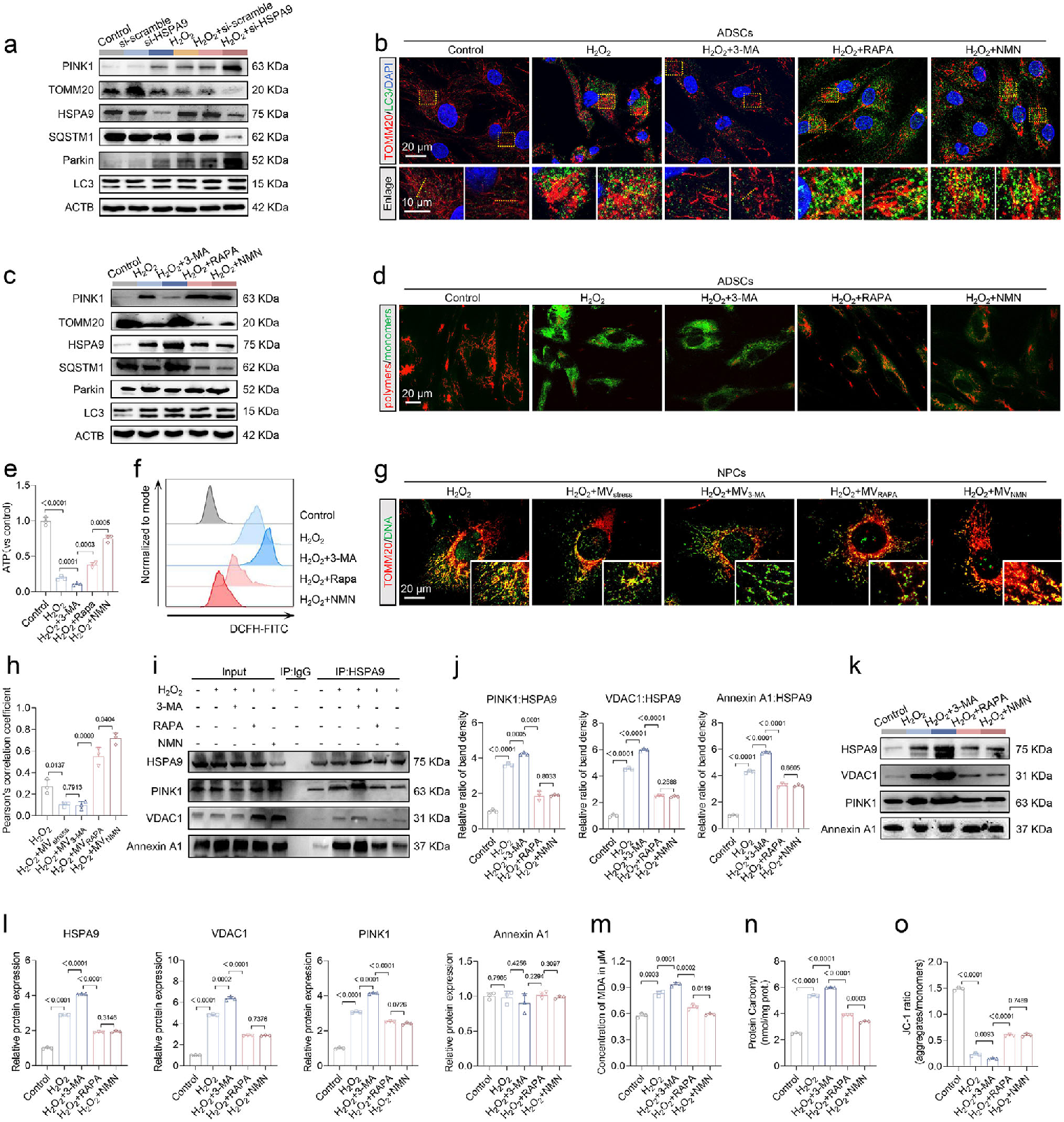
HSPA9 may be involved in sorting damaged mitochondria into the MVs of senescent ADSCs. Subcellular component analysis showed that H2O2 increased the cytoplasmic pool of HSPA9, while full-length PINK1 remained primarily bound to mitochondrial components and accumulated after injury. H2O2 treatment significantly enhanced the interaction between HSPA9 and VDAC1 and PINK1. VDAC1 is a mitochondrial outer membrane protein that stably accumulates on the outer membrane after depolarization or damage, serving as a marker of damaged mitochondrial quality control. Therefore, the enhanced HSPA9-VDAC1/PINK1 interaction suggests that HSPA9 is involved in capturing PINK1-tagged damaged mitochondria. H2O2 also increased the interaction between HSPA9 and Annexin A1. ELISA analysis showed that HSPA9 knockdown selectively reduced VDAC1 release without affecting overall Annexin A1 output, indicating that HSPA9 primarily regulates mitochondrial cargo sorting rather than overall MV production. Finally, HSPA9 knockdown improved the functional quality of mitochondrial cargo in MVs, manifested by an increased JC-1 ratio and decreased protein carbonylation and MDA levels.
SUMO3-dependent SUMOylation modulates HSPA9 function
Reactome pathway analysis revealed that differentially expressed proteins in MVs were significantly enriched in multiple SUMOylation-related pathways, including SUMOylation of RNA-binding proteins, DNA replication proteins, ubiquitinated proteins, and DNA damage response proteins. Within ADSCs, H2O2 treatment also increased SUMO1 and SUMO2/3 conjugated proteins, indicating global activation of SUMOylation under aging stress. HSPA9 immunoprecipitation results showed that HSPA9-related SUMO2/3 covalent linkages were much stronger than SUMO1 covalent linkages, indicating that HSPA9 is mainly associated with SUMO2/3-related modifications. SUMO2/3 immunoprecipitation easily enriched HSPA9, while HSPA9 signaling was weak in SUMO1 immunoprecipitation. Under H2O2 treatment, HSPA9-related SUMO2/3 covalent linkages further increased, while SUMO1-related signaling remained relatively weak. Aging stress primarily induces HSPA9 SUMOylation through SUMO2/3 rather than SUMO1. Pharmacological regulation experiments showed that TAK981 (a SUMO activator enzyme inhibitor) reduced H2O2-induced accumulation of SUMO2/3 covalents, while SENP1-IN-3 further increased SUMO2/3 covalentization.
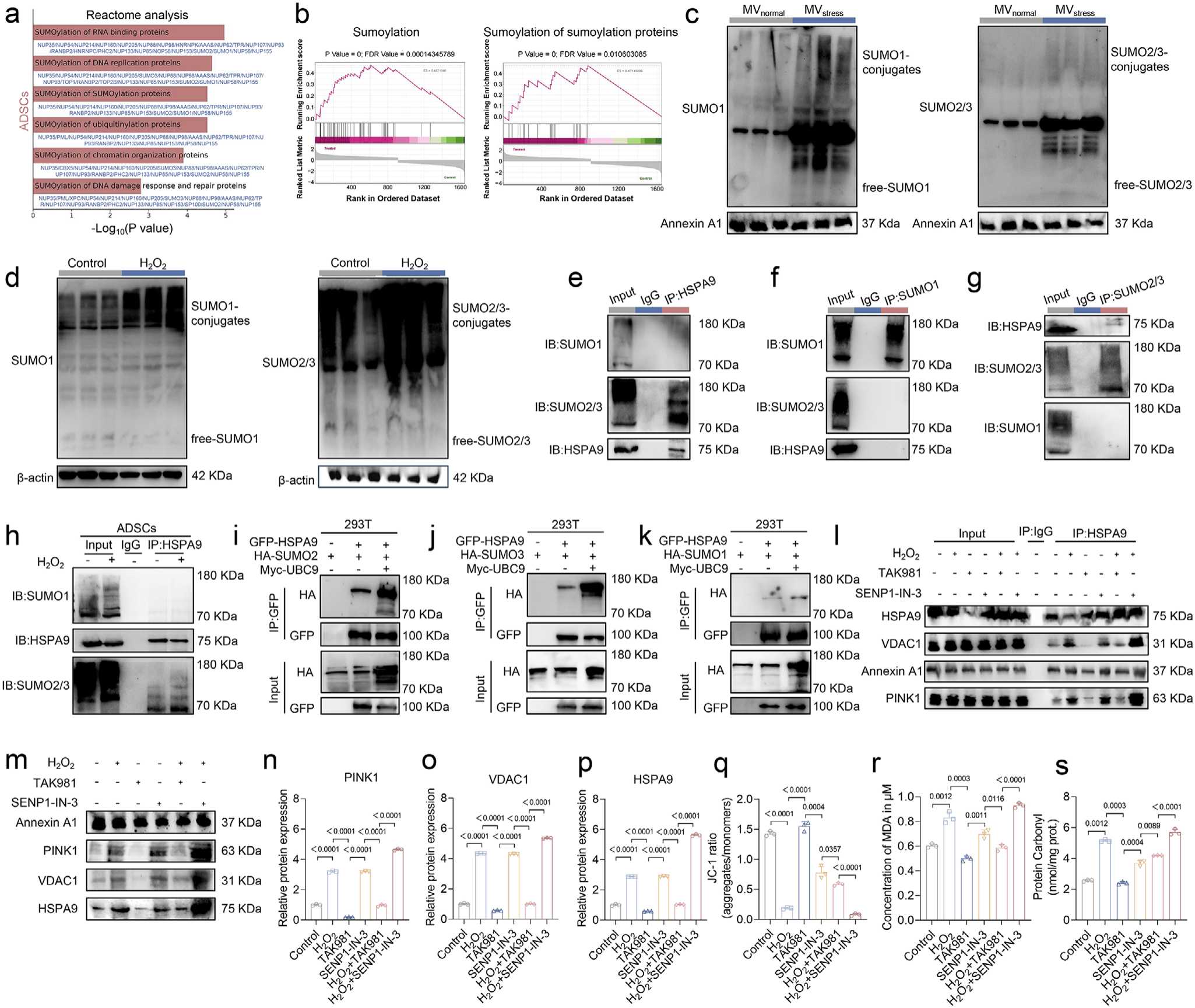
Cross-prediction using SUMOplot, JASSA, and GPS-SUMO algorithms identified K612 as the unique, shared high-confidence SUMOylation site . K612 is not a universal SUMO2/3 receptor site, but rather a key lysine residue essential for SUMO3-dependent HSPA9 modification. SUMO3 knockdown increased HSPA9 ubiquitination, suggesting an antagonistic relationship between SUMO3 modification and HSPA9 ubiquitination-dependent degradation. CHX chasing experiments also showed that SUMO3 knockdown accelerated HSPA9 degradation, confirming that SUMO3 is essential for HSPA9 protein stability. SUMO3 modification at K612 not only affects the modification state of HSPA9 but also its ability to connect PINK1-labeled damaged mitochondria to MV-related membrane structures. SUMOylation typically modulates protein function by altering protein stability, localization, or interaction states. The HSPA9 K612R level was restored using the proteasome inhibitor MG132, indicating that K612R-induced instability is primarily dependent on the ubiquitin-proteasome pathway. SUMO3 knockdown reduced HSPA9 protein levels, while MG132 partially restored HSPA9 expression, indicating that SUMO3 deficiency promotes proteasome degradation of HSPA9. These data suggest that K612 SUMOylation is a functional determinant that stabilizes HSPA9 by restricting ubiquitin-proteasome-mediated degradation and supports HSPA9-dependent mitochondrial cargo sorting and downstream pro-inflammatory activities.

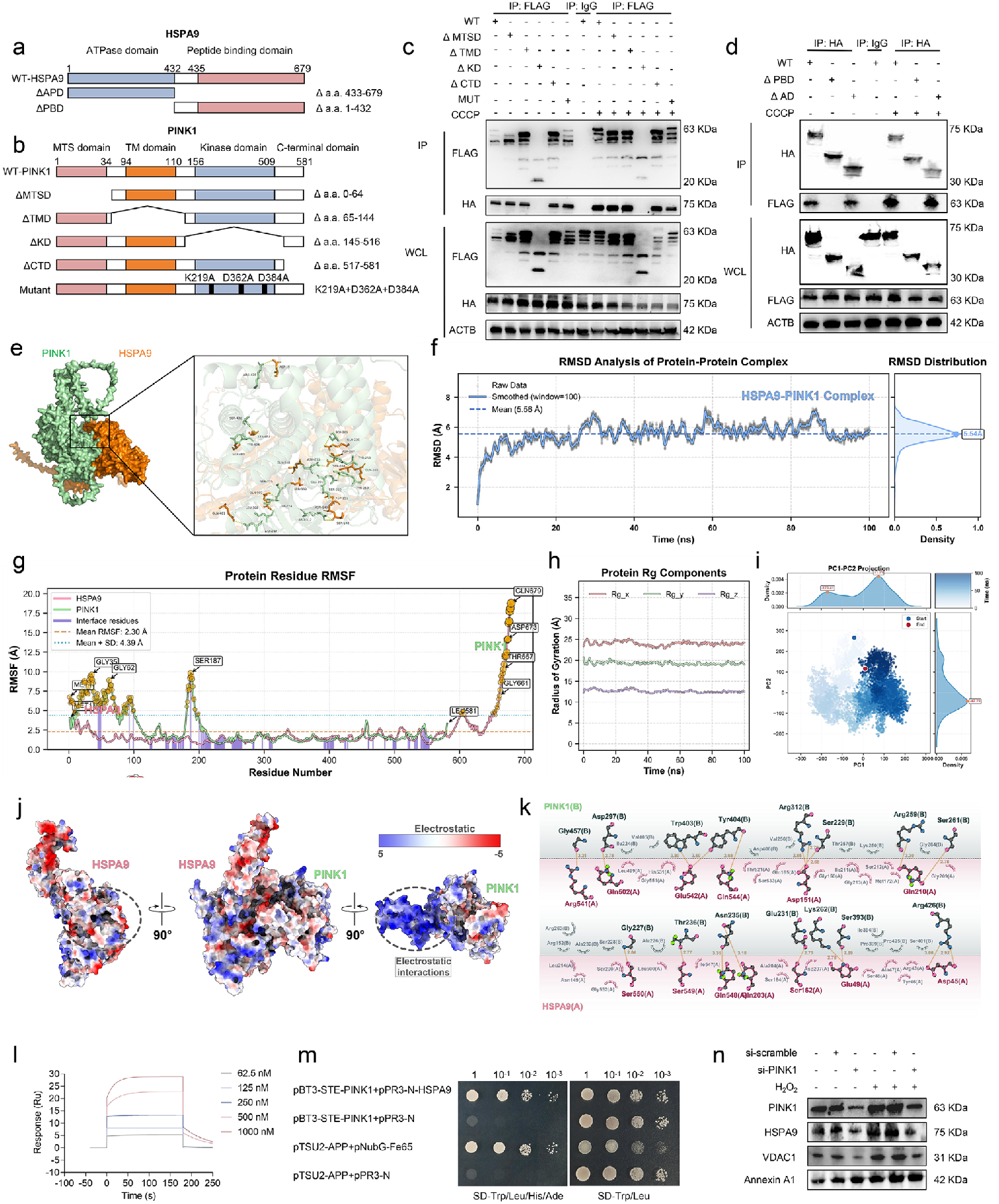
Activated PINK1 directly binds to HSPA9 to permit the sorting of damaged mitochondrial cargo.
Previous studies have shown that HSPA9 serves as a core adaptor protein in aging ADSCs for loading damaged mitochondria into MVs. Multiple experiments, including AlphaFold3 structure prediction, molecular dynamics simulations, SPR surface plasmon resonance, and yeast two-hybrid assays, have confirmed the direct binding of HSPA9 to PINK1. The binding affinity (KD) is approximately 4.7 × 10⁻⁷ M (submicromolar). PINK1 kinase activity is crucial for its interaction with HSPA9; CCCP-induced mitochondrial depolarization enhances this interaction. Knockdown of PINK1 reduces the loading of HSPA9 and VDAC1 into MVs. This indicates that stress-activated PINK1 acts as a mitochondrial recognition platform that binds to HSPA9 and facilitates the selective loading of damaged mitochondrial cargo into MVs.
Mitochondrial autophagy and HSPA9-mediated MVs output exist in a competitive equilibrium.
PINK1-labeled damaged mitochondria are typically cleared intracellularly via PINK1-Parkin-mediated mitophagy. When HSPA9-mediated efflux of damaged mitochondrial microvesicles (MVs) is blocked, PINK1-labeled mitochondria are redirected to intracellular mitophagy-related processing pathways. H2O2 reduces mitochondrial membrane potential and ATP levels in ADSCs and induces ROS accumulation. 3-MA further exacerbates mitochondrial dysfunction, while RAPA and NMN partially restore mitochondrial membrane potential and ATP production and reduce ROS levels. Promoting mitophagy or improving mitochondrial homeostasis can alleviate mitochondrial damage in aging ADSCs, while inhibiting autophagy exacerbates the accumulation of damaged mitochondria. These findings reveal a fate shift in mitochondrial quality control in aging ADSCs, namely the dynamic allocation of PINK1-labeled damaged mitochondria between PINK1-Parkin-mediated mitophagy clearance and HSPA9-mediated loading into microvesicles (MVs); when intracellular mitophagy is insufficient, this balance shifts to extracellular efflux, thereby transforming unresolved mitochondrial damage into a pro-inflammatory signal that can be transmitted.
Donor cell reprogramming can restore the therapeutic effect of senescent ADSC-derived microvascular endothelial cells.
By combining NMN (to restore mitochondrial homeostasis in senescent ADSCs) and si-HSPA9 (to block the sorting of damaged mitochondria into MVs), the resulting modified MVs (MV-modified) significantly improved mitochondrial membrane potential, reduced ROS accumulation, and inhibited the cGAS-STING-NLRP3 inflammatory pathway in H₂O₂-damaged NPCs in vitro. NMN primarily restores the mitochondrial functional state of senescent ADSCs, while si-HSPA9 specifically blocks the HSPA9-dependent pathway for damaged mitochondrial cargo to enter MVs, resulting in a synergistic effect. MV stress reduced type I collagen and NLRP3 signaling and restored the expression of aggregated proteoglycans, indicating an alleviation of fibrotic matrix remodeling, matrix loss, and inflammatory activation in IVDD. MV stress reduced cGAS and STING signaling in intervertebral disc tissue, while maintaining strong cGAS / STING activation. Therefore, restoring mitochondrial homeostasis in donor cells while limiting HSPA9-dependent cargo sorting can restore the therapeutic activity of MV stress.
Summary
This study reveals that donor cell senescence stabilizes HSPA9 through SUMO3-K612 modification, enabling it to recognize and sort PINK1-labeled damaged mitochondria into microvesicles, competing with mitophagy for formation. MVs derived from senescent ADSCs enrich damaged mitochondria, exacerbating recipient nucleus pulposus cell inflammation and intervertebral disc degeneration via the cGAS-STING-NLRP3 pathway. Combining NMN to restore mitochondrial homeostasis and silence HSPA9 can block the export of damaged mitochondria, effectively restoring the therapeutic efficacy of MVs and providing a novel donor cell reprogramming strategy for cell-free IVDD therapy.
