CD93 (also known as complement protein 1q subunit receptor C1qR1 or C1qRp) is a cell surface receptor that plays a role in various physiological processes, including inflammation, phagocytosis, and cell adhesion. It also participates in angiogenesis as a receptor for extracellular matrix (ECM) panendothelial glycoprotein multimers, such as multimerin-2/MMRN2 and IGFBP7. These two ligands play irreplaceable roles in CD93-mediated endothelial cell function. CD93 functions by activating angiogenesis in regulating endothelial cell function and adhesion. CD93 is upregulated in various pathologies, such as inflammatory states and different types of cancer, making it an attractive novel therapeutic target.
CD93 expression distribution
CD93 is primarily expressed by endothelial cells, but it has also been observed in various hematopoietic and non-hematopoietic cell types, including hematopoietic stem cells, cytotrophoblast cells, monocytes, neutrophils, B cells, natural killer (NK) cells, and platelets. CD93 is mainly expressed on endothelial cells (ECs) in tissues such as the kidneys, placenta, spleen, heart, and brain.
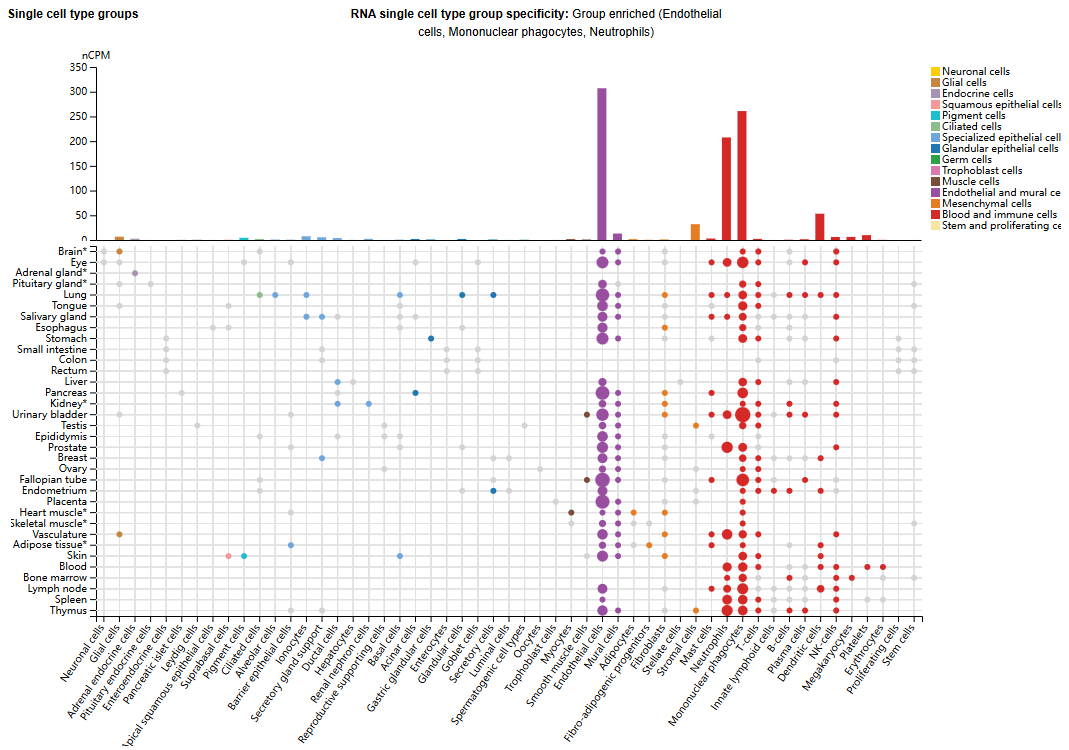
(Data source: uniprot)
Structure and ligands of CD93
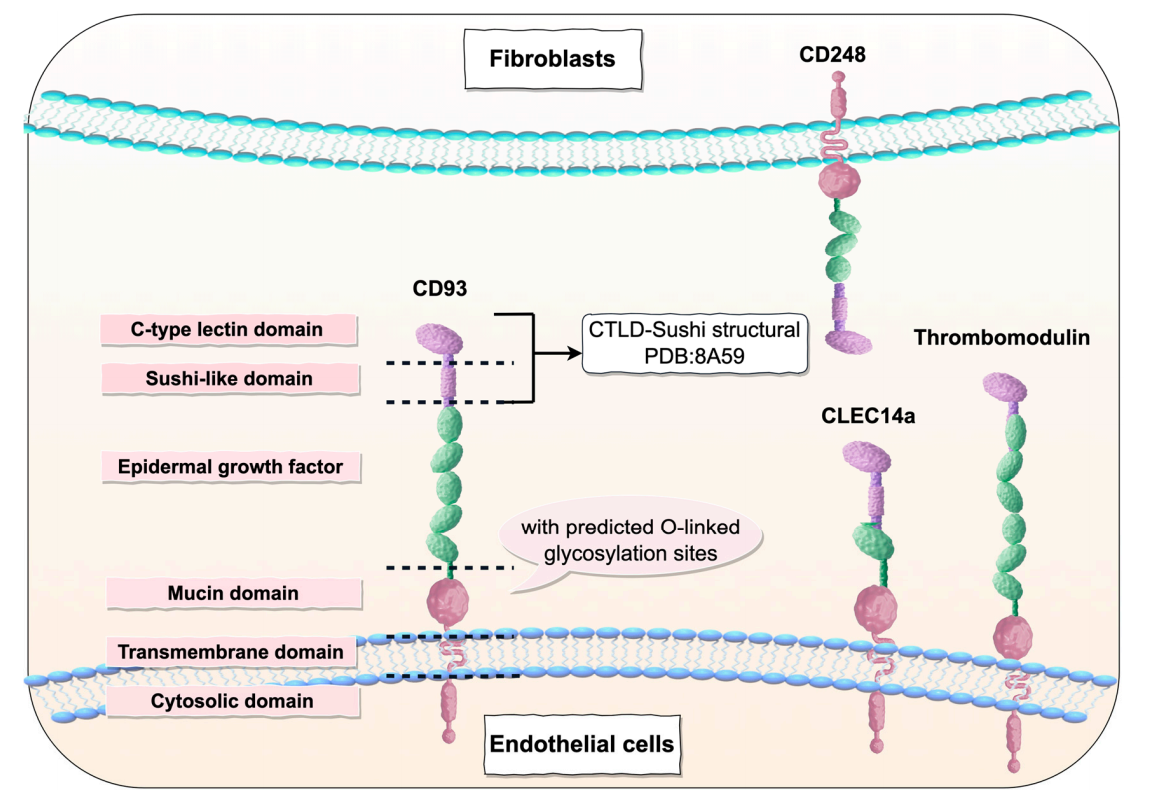
CD93 consists of 652 amino acids and is located on chromosome 20, short arm, region 11.21 in humans and on chromosome 2 in mice. It is a transmembrane glycoprotein belonging to the CTLD family. Its structural features include an N-terminal signal peptide, a C-type lectin-like domain (CTLD) containing conserved cysteine residues, a sushi-like domain, five epidermal growth factor (EGF)-like domains, a mucin-like region with a predicted O-linked glycosylation site, a transmembrane region, and a cytoplasmic tail.
CD93 exists on the cell surface in both membrane-bound and soluble forms. Specific stimuli can cleave its extracellular domain, producing sCD93, which can be detected in human plasma.
CD93 is a cell surface protein that mediates various physiological functions through interactions with multiple ligands. Its extracellular domain can bind to a variety of ligands, including polyprotein-2 (MMRN2), insulin-like growth factor binding protein 7 (IGFBP7), β-dystrophin (DG), interleukin-17D (IL-17D), and vascular endothelial cadherin (VE-cadherin). The intracellular domain of CD93 can interact with adaptor proteins Cbl, moesin, and GIPC.
The binding of CD93 to β-DG leads to Src kinase phosphorylation of tyrosine residues Tyr628 and Tyr644 in the cytoplasmic tail of CD93, thereby stimulating phosphorylation of the downstream effector protein Cbl. Phosphorylation of Cbl at Tyr774 may enable it to function as an adaptor protein, promoting the recruitment of Crk and inducing cell migration and tubular formation. Furthermore, the interaction between CD93 and GIPC can mediate polarized transport through branching of linear actin fiber bundles.
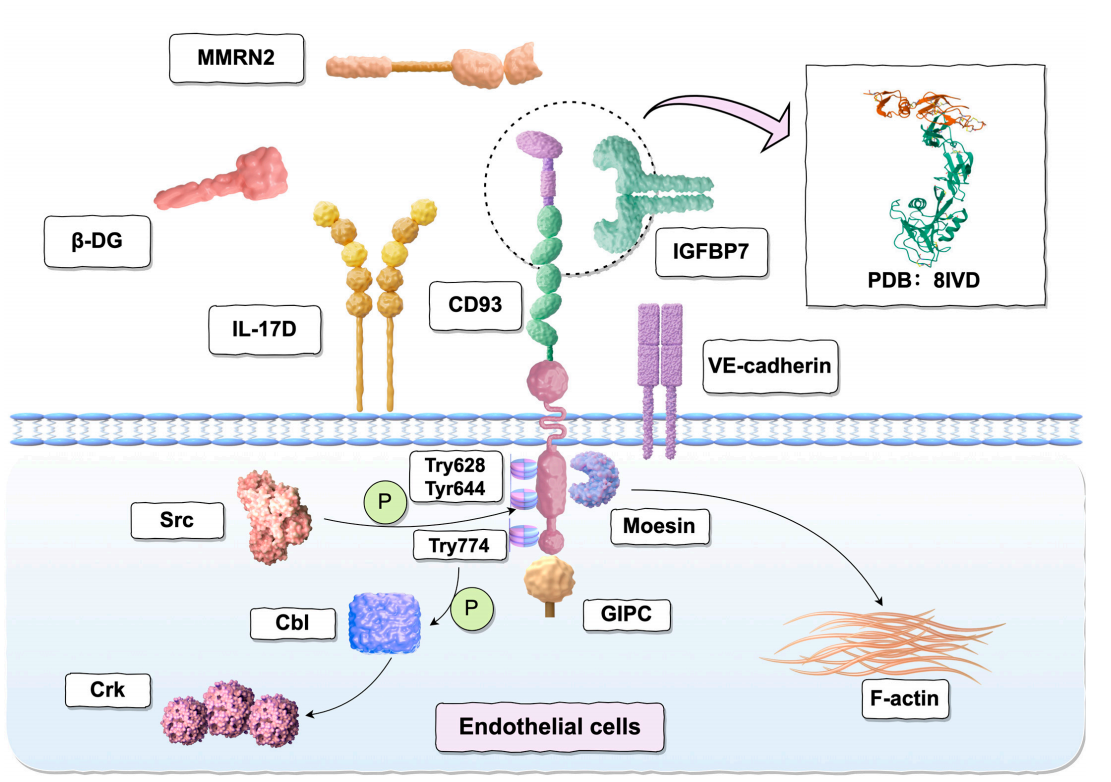
(Data source: Cai M, et al. Int J Mol Sci. 2025)
The role of CD93 in disease
CD93 has been shown to be associated with a range of pathological conditions, including inflammation (such as asthma, peritonitis, meningitis, periodontitis, etc.), cardiovascular diseases, autoimmune diseases, and cancer.
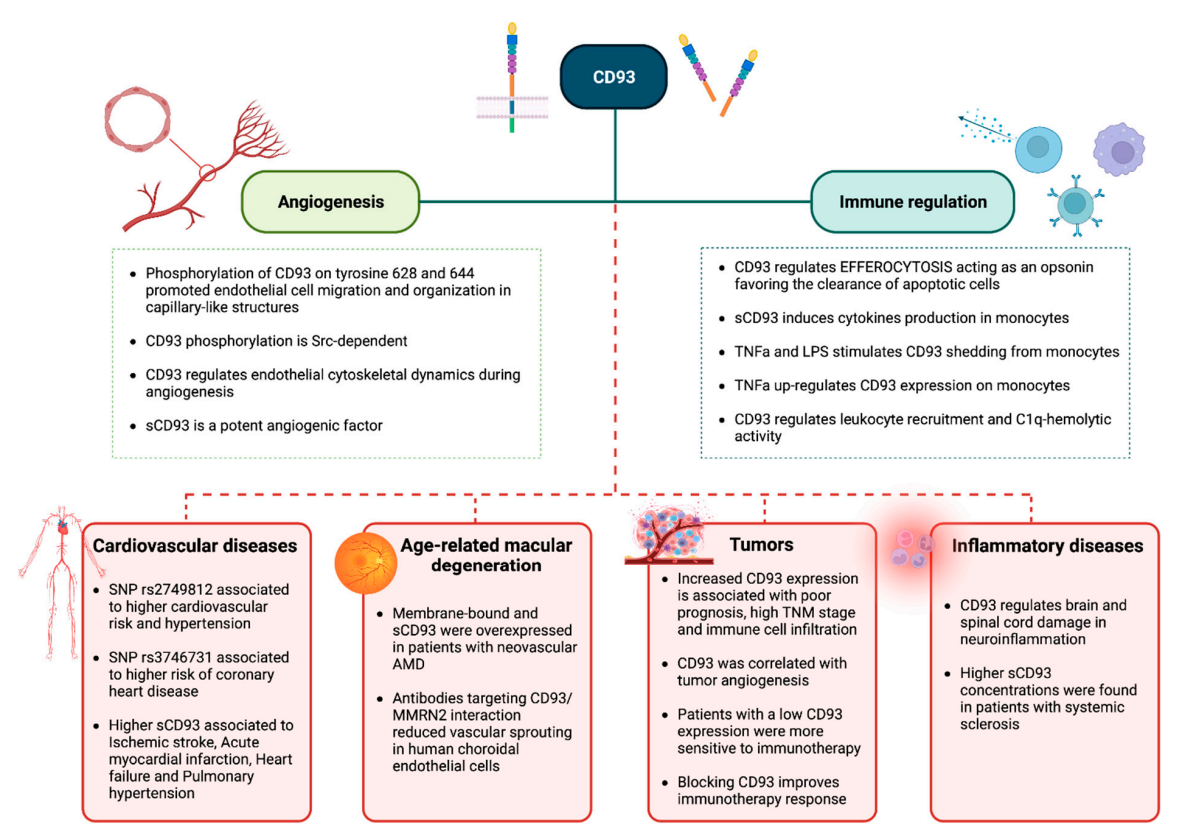
(Data source: Tossetta G, et al. Cells. 2023)
CD93 in inflammatory diseases: sCD93 levels are elevated in the synovial fluid of patients with rheumatoid arthritis, a chronic inflammatory disease involving IL-1β and TNF-α. sCD93 plays a crucial role in stimulating monocytes, particularly in inflammatory processes such as rheumatoid arthritis. In mice expressing CD93, CD93 is expressed in neurons, endothelial cells, and microglia, but not in astrocytes and oligodendrocytes. CD93 knockout in EAE and ADEAE mice showed more severe brain and spinal cord inflammation. Compared to wild-type EAE mice, CD93-deficient mice exhibited increased blood-brain barrier damage and permeability, which was associated with more severe neuronal injury. CD93 is an important neuroimmunological regulator controlling inflammation in the central nervous system.
The Role of CD93 in Tumors: CD93 is associated with the infiltration of immune cells in tumor tissues and the immunotherapy response in cancer patients. In several cancers, CD93 expression in tumor tissues is significantly higher than in adjacent normal tissues. Furthermore, in many cancer types, high CD93 expression is associated with tumor angiogenesis, immune cell infiltration, poor prognosis, and high TNM stage. However, in clear cell renal cell carcinoma (KIRC, an aggressive type of renal cell carcinoma), high CD93 expression shows a protective effect. Therefore, due to its ability to modulate immune responses and immune cell infiltration, CD93 can significantly modulate the malignant characteristics of various cancer types and has potential value as a biomarker in determining the prognosis and immune infiltration of various cancers. Increased CD93 expression is associated with poor prognosis in cancer patients and is associated with mismatch repair (MMR) gene expression, tumor mutational burden (TMB), microsatellite instability (MSI), and immune cell infiltration. Functional analyses show that CD93 is associated with cancer promotion, angiogenesis, and inflammation.
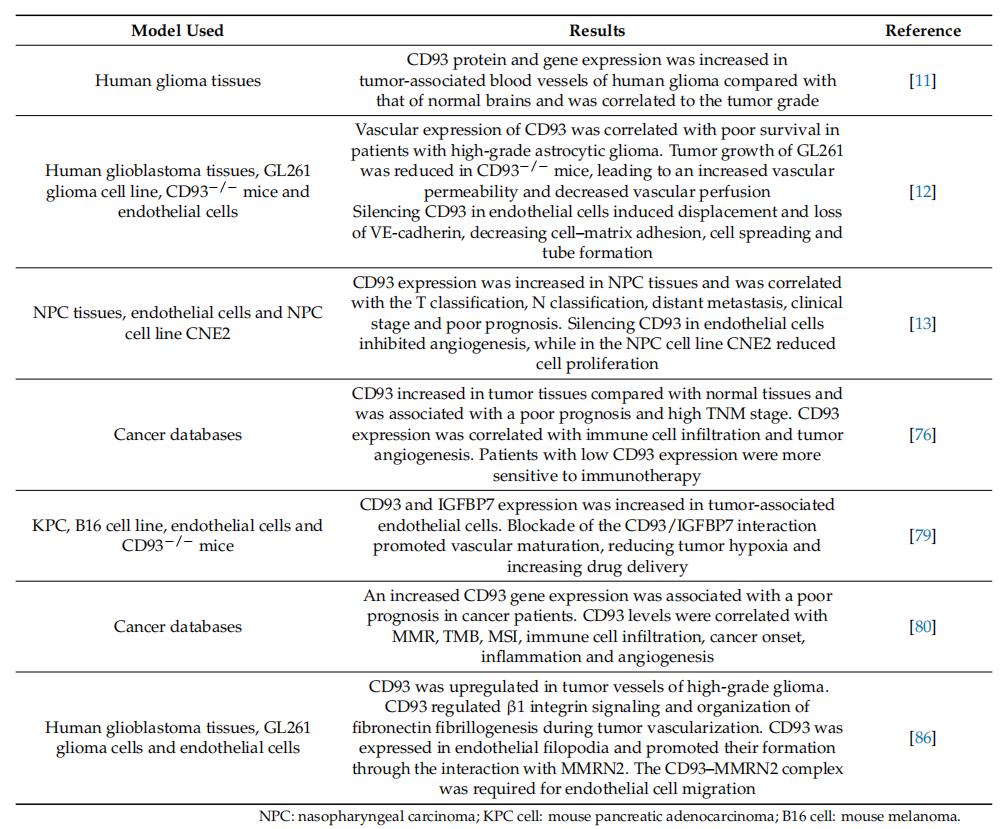
(Data source: Tossetta G, et al. Cells. 2023)
CD93-targeted therapy
DynamiCure has developed DC-6001, composed of two anti-CD93 monoclonal antibodies (DCBY02 and DCSZ11), both of which have demonstrated unique in vitro and in vivo properties and anti-tumor activity in preclinical development. Each drug targets a different epitope of the CD93 receptor. On August 22, 2022, the FDA approved DCBY02 (DC-6001-101 part A) to advance to Phase I clinical trials. On August 9, 2022, the initial NCT05496595 was submitted; the trial began on October 26, 2022, evaluating the safety and efficacy of DCBY02 as a monotherapy (21-day cycle, single intravenous infusion) in patients with advanced or metastatic solid tumors.
