Angiopoietin-associated protein 4 (ANGPTL4), also known as ARP4, HFARP, and PGAR, belongs to the ANGPTL protein family, which consists of eight secreted glycoproteins (ANGPTL1-8). ANGPTL4 mediates the inactivation of lipoprotein lipase (LPL), thereby playing a role in regulating the clearance of triglycerides in serum and lipid metabolism. ANGPTL4 has been shown to participate in a variety of biological processes, including glucose and lipid metabolism, angiogenesis, and wound healing, and has potential effects on diseases such as type 2 diabetes, cardiovascular diseases (e.g., atherosclerosis), kidney disease, and cancer.
ANGPTL4 expression distribution
ANGPTL4 is highly expressed in the placenta, heart, liver, muscle, pancreas, and lungs, but less so in the brain and kidneys. At the cellular level, it is mainly expressed in apical squamous epithelial cells, secretory cells, intestinal cells, and acinar cells.
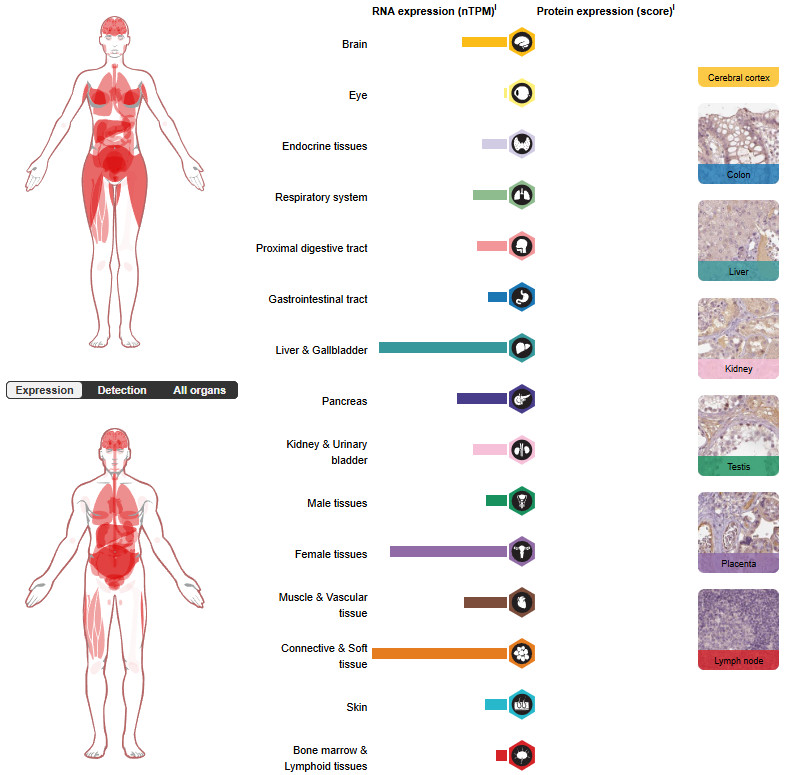

(Data source: uniprot)
Structure and function of ANGPTL4
The ANGPTL4 gene is located on chromosome 19p13.3. ANGPTL4 encodes a glycoprotein composed of 406 amino acids. This glycoprotein consists of an N-terminal signal peptide (for secretion), an N-terminal helical-helical domain, a C-terminal fibrocinogen-like domain, and a linker region between these two domains. The linker region contains a substrate recognition site, which is cleaved by proprotein convertases (PCs), releasing the N- peptide containing the helical-helical domain (nANGPTL4) and the C- peptide containing the fibrocinogen-like domain (cANGPTL4).
Prior to cleavage, ANGPTL4 forms oligomers via disulfide-bonding cysteine residues in nANGPTL4. Following cleavage, ANGPTL4 is released from the cell; nANGPTL4 remains oligomeric, while cANGPTL4 dissociates into monomers. The ability to bind and inhibit LPL activity is limited to nANGPTL4 and full-length ANGPTL4, while cANGPTL4 is known to participate in various lipid-independent processes.
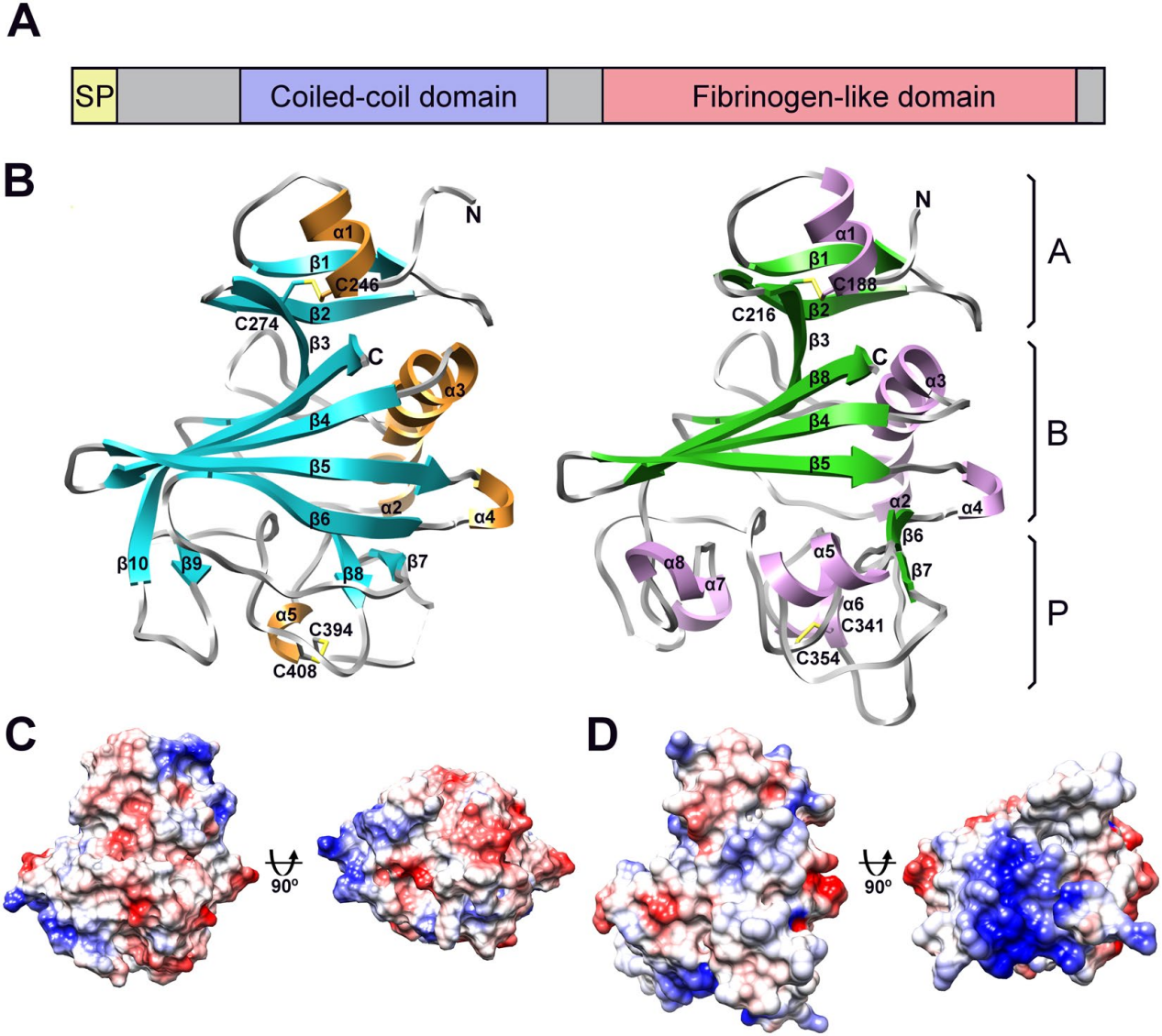
(Data source: Biterova E, et al. Sci Rep. 2018)
nANGPTL4 mediates the oligomerization of ANGPTL4 and binds to LPL to regulate lipoprotein metabolism. It mediates the inactivation of lipoprotein lipase (LPL), thereby playing a crucial role in regulating serum triglyceride clearance and lipid metabolism. cANGPTL4 is involved in energy expenditure and various non-lipid-related processes, including angiogenesis, inflammation, oxidative stress, vascular permeability, and wound healing.
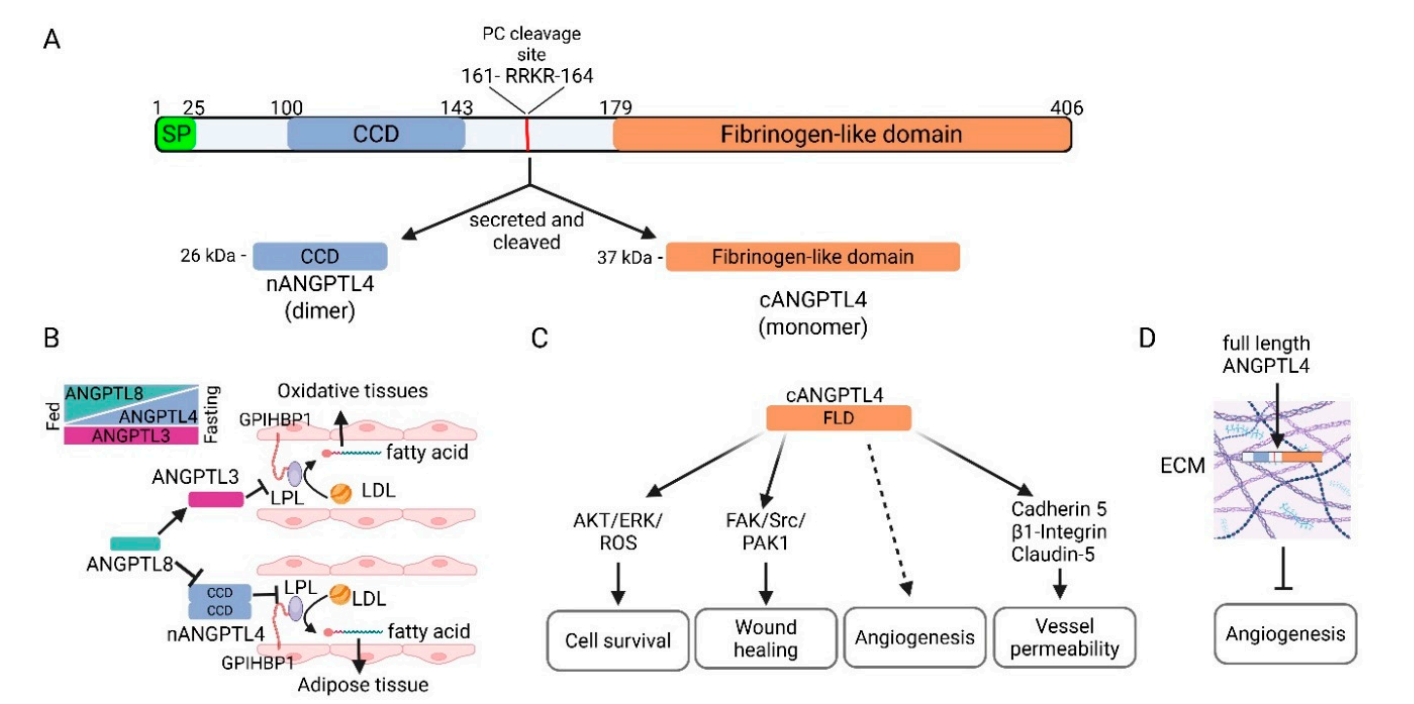
(Data source: Ramos P, et al. Cancers (Basel). 2025)
The role of ANGPTL4 in disease
The role of ANGPTL4 in inflammation: ANGPTL4 binds to integrins and/or NRP via autocrine/paracrine pathways, subsequently activating the activity of FAK, SRC, Rac1, Profilin-1, and RhoA, which in turn activates the PI3K/AKT, JAK/STAT3, ERK, and NF-κB signaling pathways. These effects promote inflammation and mediate tissue destruction. On the other hand, the anti-inflammatory activity of ANGPTL4 may be attributed to its specific inhibition of the SRC and ERK pathways. The NF-κB signaling pathway has a bidirectional role in inflammation. ANGPTL4 inhibits LPL activity, controls FA uptake, and regulates circulating TG-rich lipoproteins. Upregulation of ANGPTL4 leads to reduced plasma TG-derived FA uptake and decreases FA-induced oxidative stress, lipid peroxidation, and inflammation.
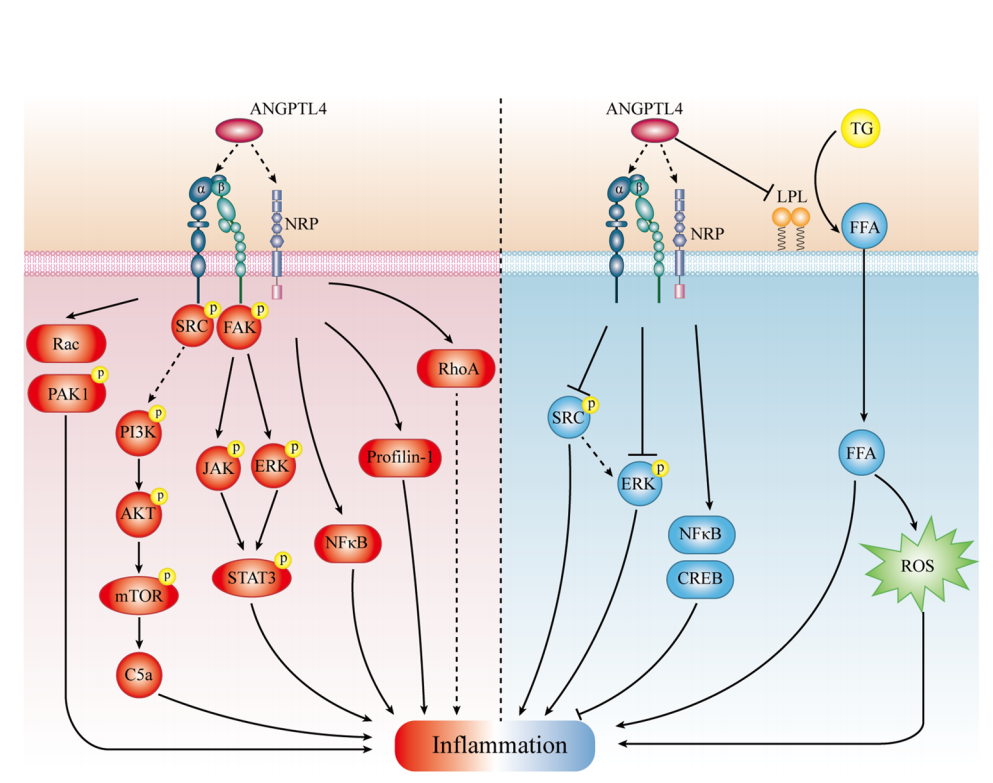
(Data source: Zuo Y,et al. Inflamm Res. 2023)
The role of ANGPTL4 in cardiovascular disease: In hematopoietic cells, ANGPTL4 acts as a protective molecule, preventing lipid overload in macrophages and mitigating atherosclerosis. Secretory ANGPTL4 from various tissues, including adipose tissue, binds to lipoprotein lipase (LPL) and inhibits its fat-degrading activity, leading to reduced hydrolysis of triglycerides (TAGs) by triglyceride-rich lipoproteins (TRLs (VLDL and chylomicrons)) in storage capillaries (WAT) and metabolic tissues (heart, muscle, BAT). The absence of ANGPTL4 in these tissues increases LPL activity, accelerates TRL catabolism, and reduces circulating TAGs and LDL-C, thereby preventing the progression of atherosclerosis. Conversely, ANGPTL4 exerts a protective effect against atherosclerosis in macrophages, preventing neutral lipid overload, pro-inflammatory activation, and apoptosis.
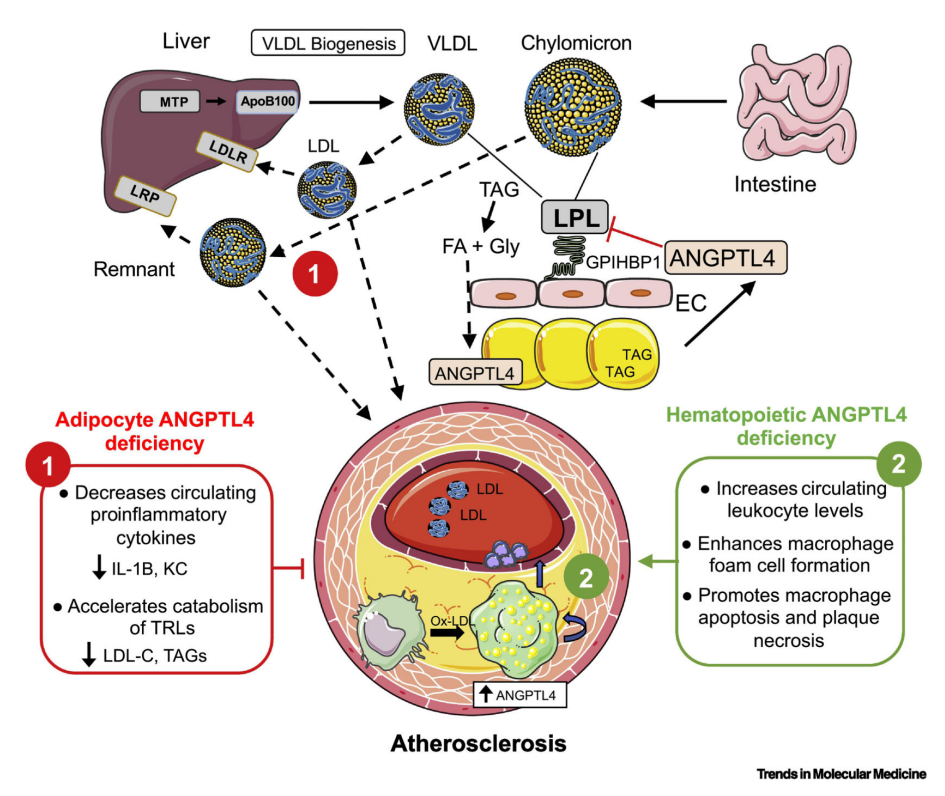
(Data source: Aryal B, et al. Trends Mol Med. 2019)
The role of ANGPTL4 in cancer: The function of ANGPTL4 in cancer varies depending on the cancer type. It can promote obesity-driven breast cancer progression and angiogenesis in clear cell renal cell carcinoma (ccRCC), regulate cancer cell metabolism in ccRCC and colorectal cancer (CRC), promote pancreatic cancer invasion, promote cell survival and epithelial-mesenchymal transition (EMT) in circulating cancer cells, promote the spread of lung metastases by increasing pulmonary vascular permeability, and promote brain metastases.
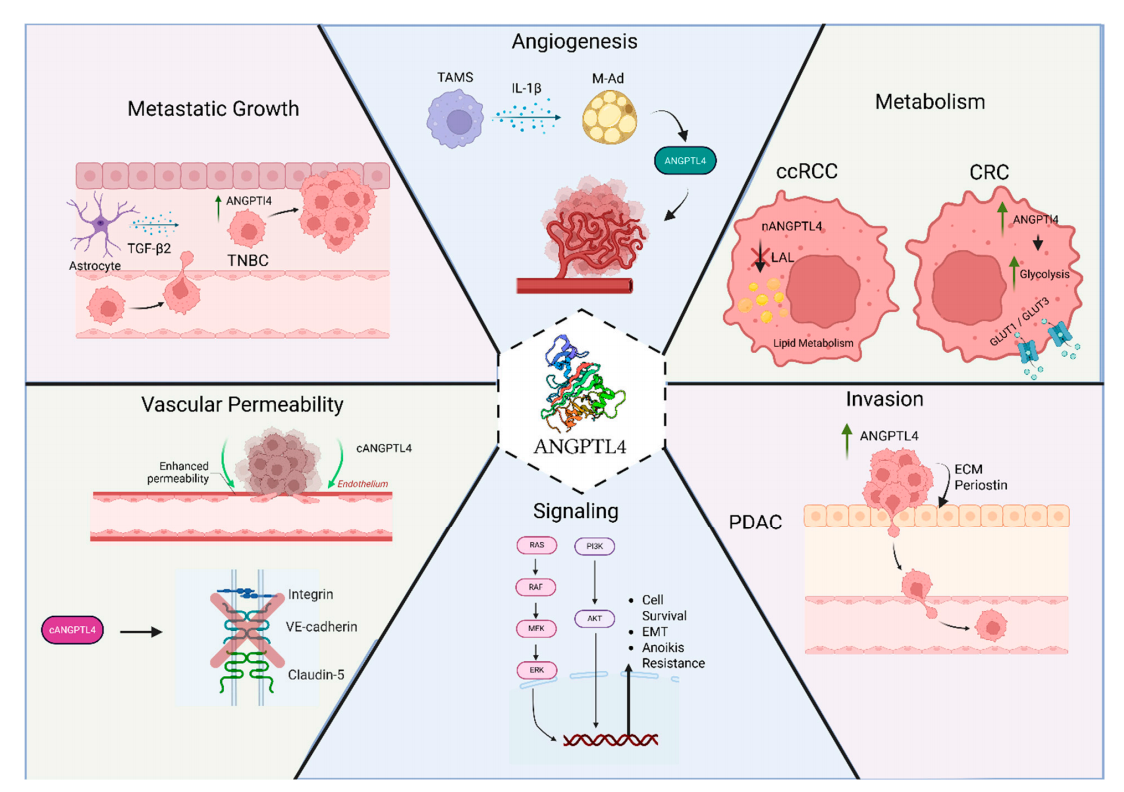
(Data source: Ramos P, et al. Cancers (Basel). 2025)
Targeted therapy for ANGPTL4
MAR001 is a monoclonal antibody targeting ANGPTL4, developed by Novartis. After nine months of use in non-human primates, it demonstrated safety and tolerability, supporting progress toward human studies. From November 24, 2013, to July 1, 2024, in a multi-dose phase 1b/2a randomized, double-blind, placebo-controlled study, 55 participants were randomized to receive 150 mg (10 participants), 300 mg (9 participants), or 450 mg (17 participants) of placebo (19 participants) or MAR001 subcutaneously, followed by a 12-week safety follow-up period. MAR001 was safe and generally well-tolerated; no treatment-related elevations in systemic inflammatory biomarkers were observed, nor were changes in mesenteric lymph node size or inflammation as assessed by MRI. MAR001 (450 mg) resulted in a mean reduction of 52.7% (90% CI -77.0 to -28.3) in triglycerides and a mean reduction of 52.5% (-76.1 to -28.9) in residual cholesterol at week 12, adjusted for placebo. Inhibition of ANGPTL4 with MAR001 safely and effectively reduced circulating triglycerides and residual cholesterol. These trial results support further investigation and development of MAR001 as a promising potential lipid-lowering therapy to reduce the risk of ASCVD.
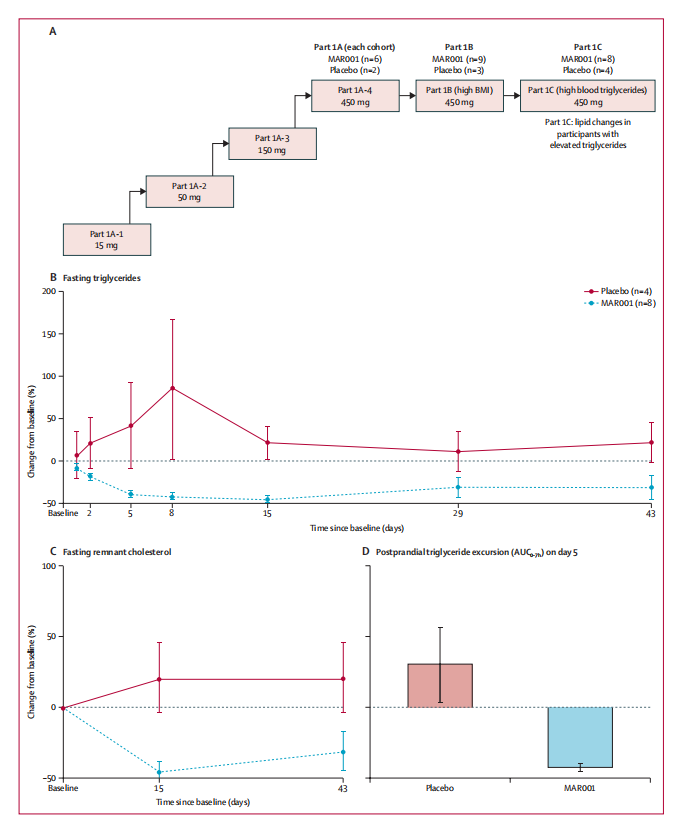
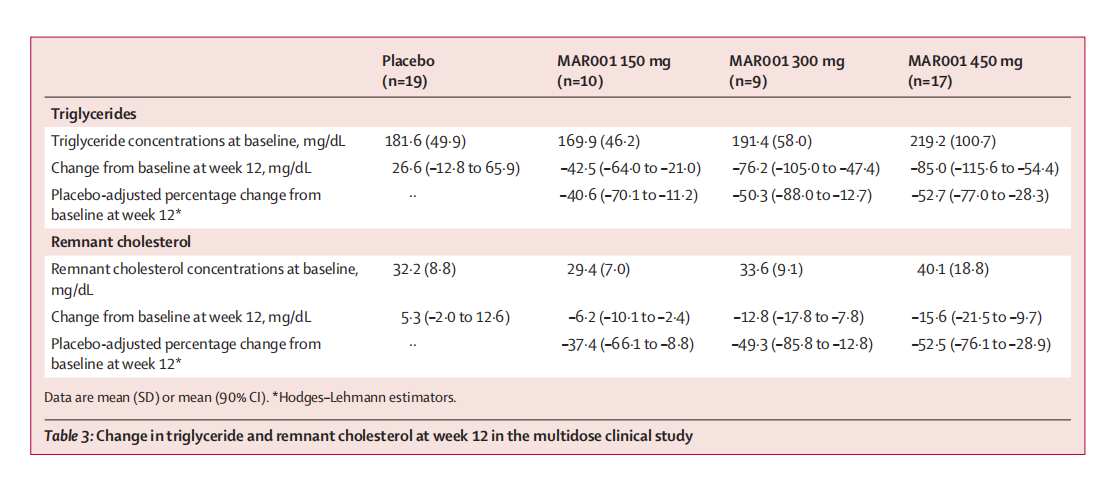
(Data source: Cummings BB, et al. Lancet. 2025)
