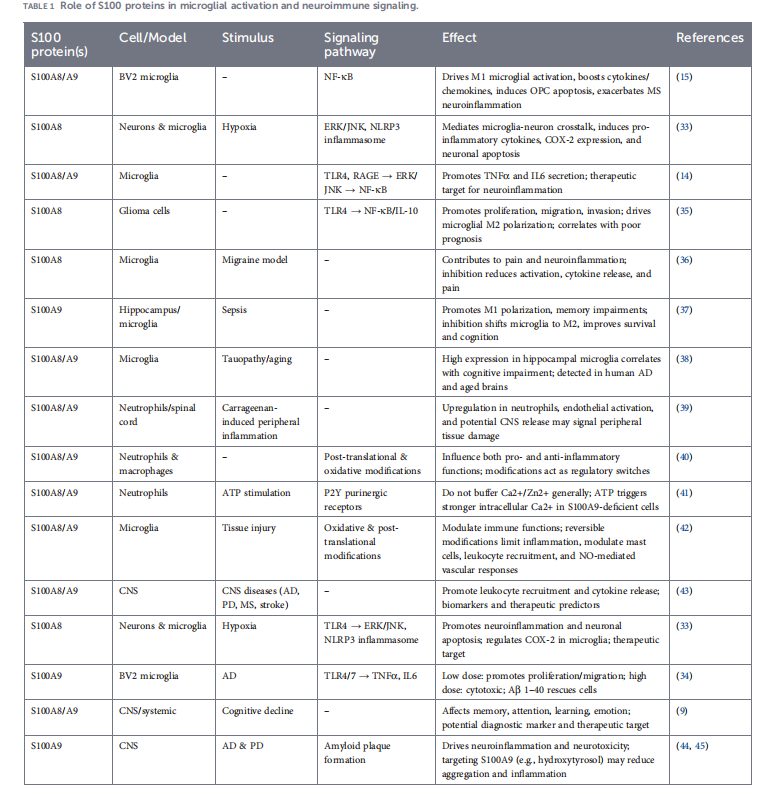
S100A8 and S100A9 are both calcium and zinc binding proteins and key members of the S100 protein family. They have a variety of immunomodulatory functions and serve as important mediators of neuroimmune communication. Under inflammatory conditions, S100A8/A9 are actively secreted and play an important role in regulating inflammation and immunity by promoting leukocyte recruitment and stimulating cytokine production.
Expression distribution and structure of S100A8 and S100A9
S100A8/A9 are both primarily expressed in neutrophils and monocytes. Both S100A8 and S100A9 are low-molecular-weight calcium-binding proteins, composed of 93 and 113 amino acids respectively. A truncated 110-amino acid subtype of S100A9 also exists. Both S100A8 and S100A9 contain the typical EF-hand domain, a structural hallmark of the S100 family, which endows them with a strong affinity for divalent cations, including Ca²⁺ and Zn²⁺. They typically form the S100A8/A9 heterodimer, calprotectin; under specific conditions, they can also form higher-order complexes. The S100A8/A9 heterodimer, Mn²⁺, exhibits a strong affinity.
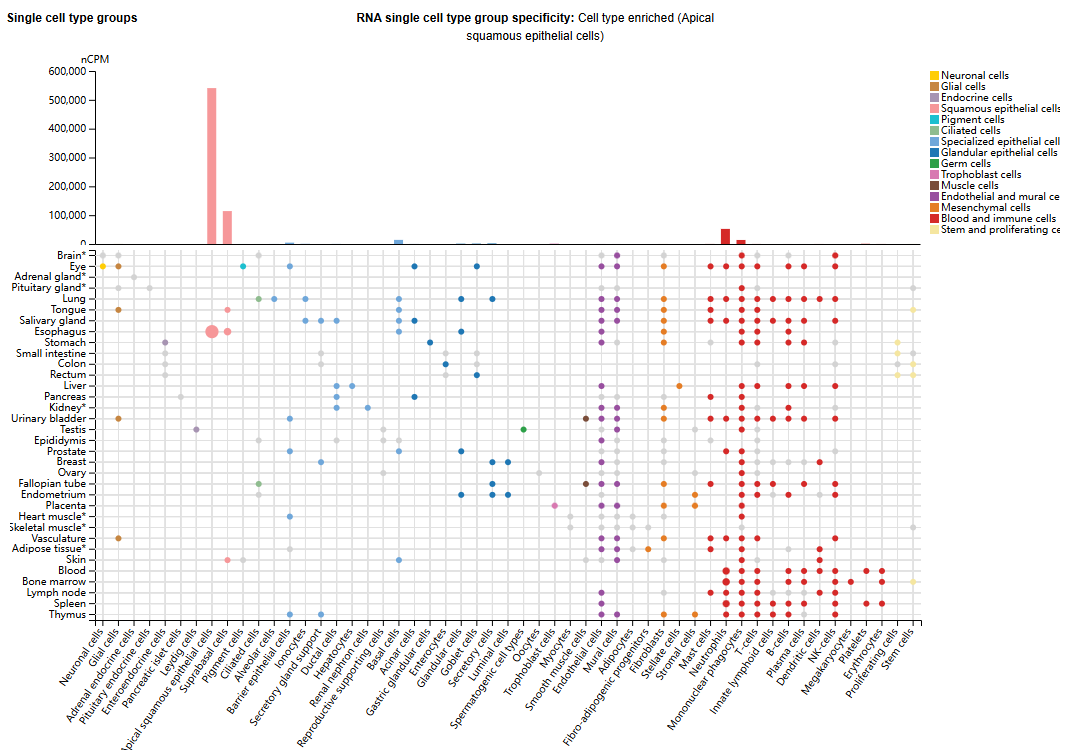
(Data source: uniprot)
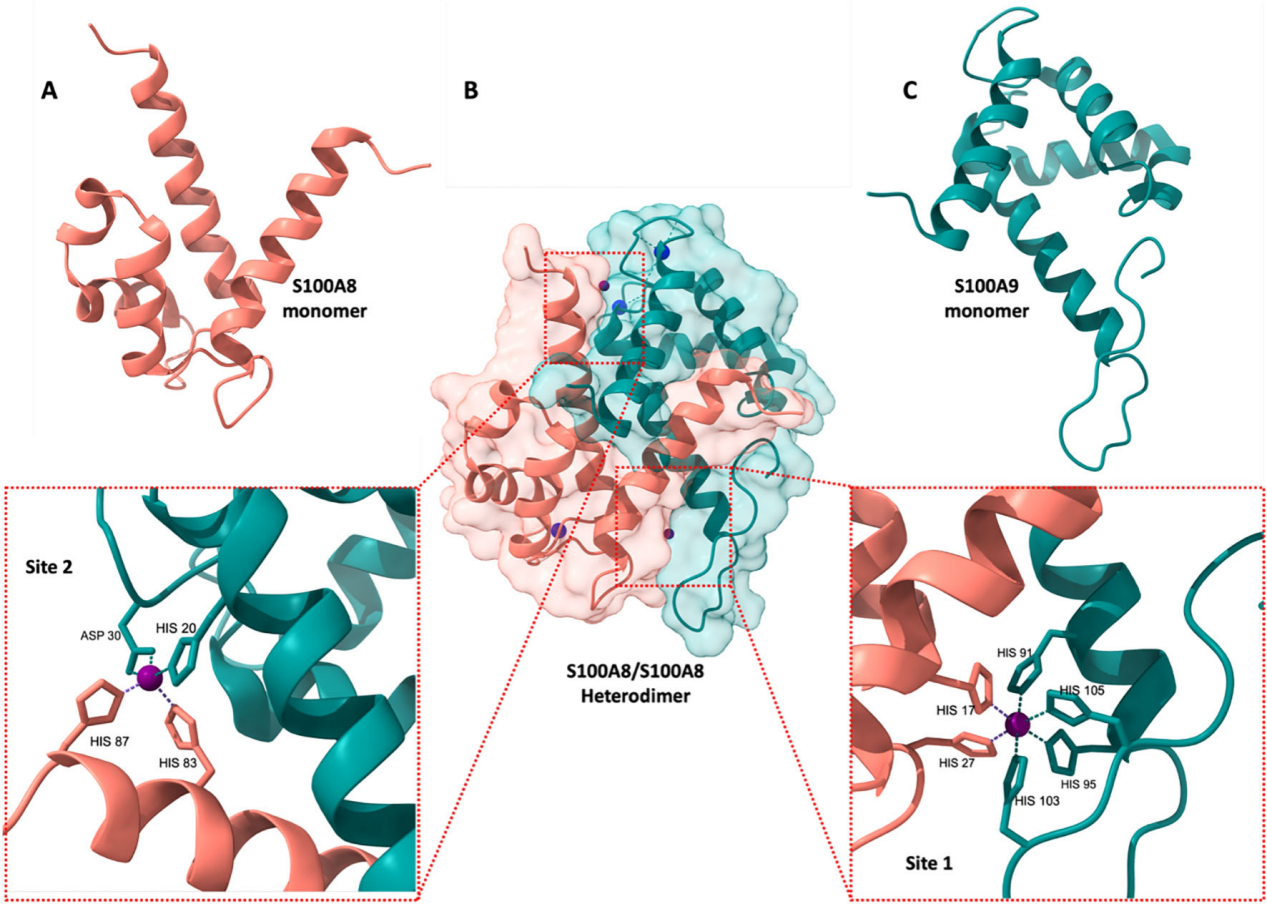
(Data source: Malik JA, et al. Front Immunol. 2026)
The role of S100A8 and S100A9 in inflammation
S100A8/A9, as an endogenous damage-associated molecular pattern (DAMP), is rapidly released after tissue injury and inflammatory stress. Extracellularly, S100A8/A9 mainly binds to TLR4, initiates MyD88-dependent signaling, and activates downstream inflammatory pathways, including NF-κB, MAPK, and the NLR family pyridine domain 3 (NLRP3) inflammasome.
NF-κB is one of the major downstream effector molecules in the S100A8/A9 signaling pathway. Following TLR4 activation, MyD88 recruits interleukin-1 receptor-associated kinases (IRAKs) and tumor necrosis factor receptor-associated factor 6 (TRAF6) in a dependent manner, leading to the degradation of B-cell nuclear factor κB inhibitor α (IκBα) and nuclear translocation of NF-κB, thereby initiating the activation of tumor necrosis factor α (TNF-α), IL-1β, IL-6, and various chemokines. This signaling cascade establishes a positive inflammatory feedback loop, continuously recruiting immune cells and leading to chronic inflammation.
The NLRP3 inflammasome is another major inflammatory pathway regulated by S100A8/A9. S100A8/A9 activation of TLR4 and NF-κB provides the initiation signaling required for NLRP3 expression, while ROS generation, potassium efflux, and TXNIP dissociation promote the assembly of the inflammasome complex. Activated NLRP3 subsequently promotes caspase-1 activation and the maturation of IL-1β and IL-18, thereby amplifying the inflammatory response. S100A8/A9-mediated TLR4–NLRP3 signaling axis activation leads to inflammation in various diseases, including contrast-induced acute kidney injury, acute lung injury, intervertebral disc degeneration, and subarachnoid hemorrhage. In the central nervous system, S100A9-induced microglial NLRP3 activation exacerbates neuroinflammation, neuronal apoptosis, and early brain injury, while S100A9 gene deletion significantly improves neurological functional outcomes.
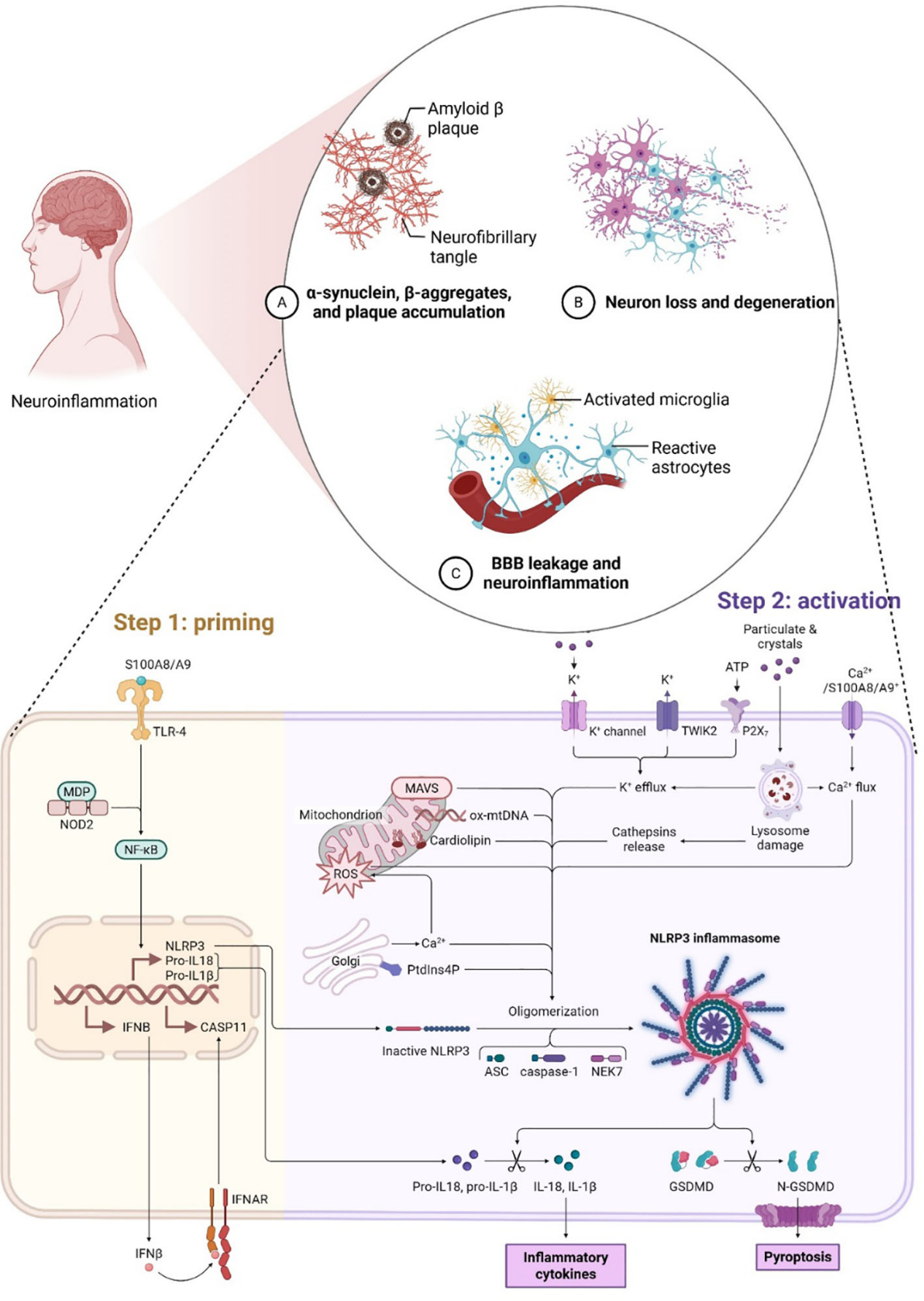
(Data source: Malik JA, et al. Front Immunol. 2026)
The role of S100A8 and S100A9 in cancer
S100A8 and S100A9 primarily bind to receptors on cancer cell membranes, such as TLR4, RAGE, CD147, NPTNβ, and MCAM. With the activation of downstream signals, numerous transcriptional processes are initiated, such as the expression of ICAM-1, MMP9, MMP25, IL-8, and VEGF. Subsequently, cancer cells exhibit various phenotypes, such as progression, metastasis, and drug resistance.
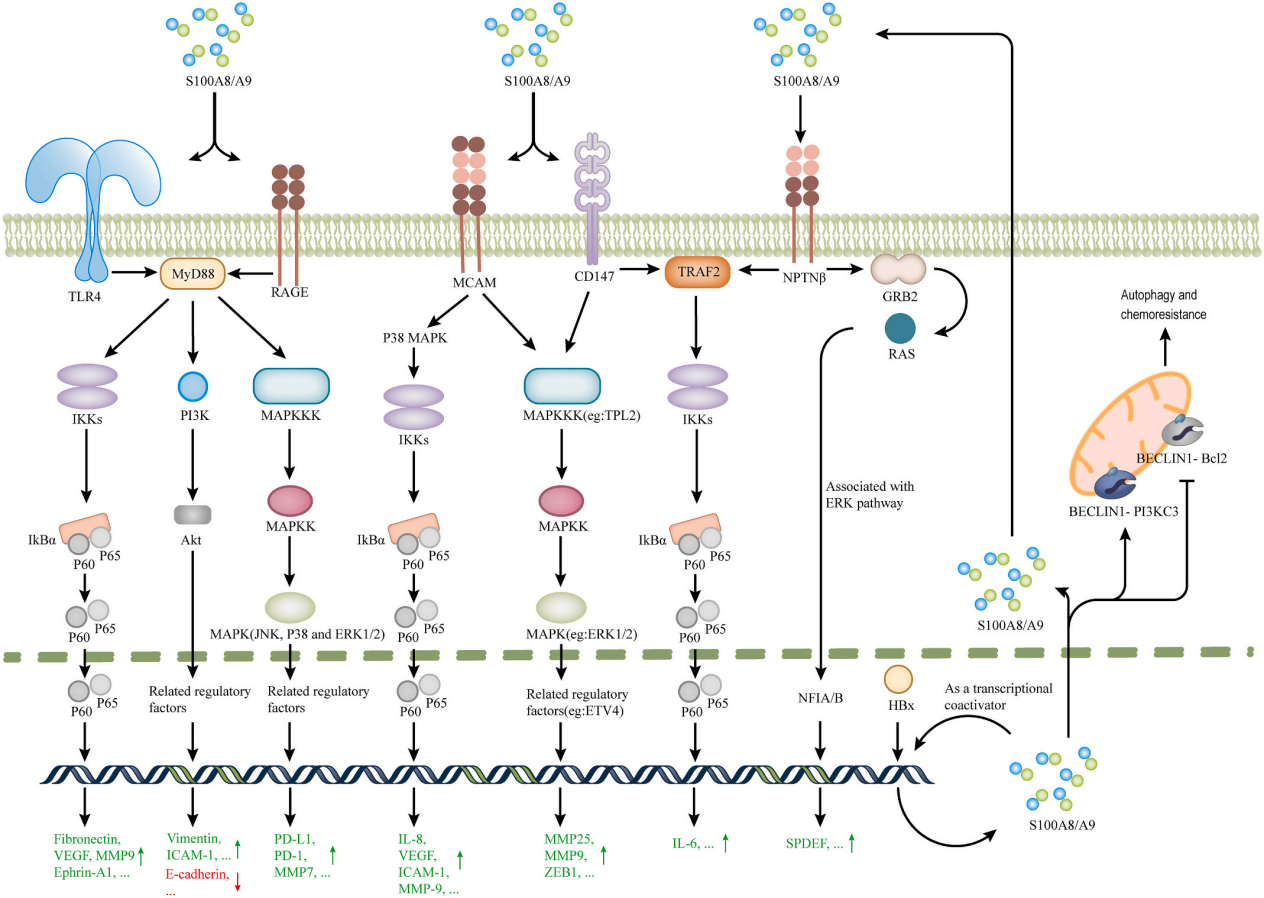
(Data source: Chen Y, et al. Biochim Biophys Acta Rev Cancer. 2023)
S100A8 and S100A9 primarily affect macrophage function and promote the accumulation and activation of MDSCs (myeloid repressive CD133+ cells), thereby participating in the construction of an immunosuppressive environment. The functions of dendritic cells, neutrophils, and T cells are also affected by S100A8 and S100A9, leading to a localized immunosuppressive state. Tumor-associated fibroblasts promote immunosuppression by secreting S100A8. In this microenvironment, the secretion of S100A8 and S100A9 can alter the expression levels of immune molecules (such as cytokines), which may further interact with S100A8/A9-related signaling pathways, triggering deeper effects.
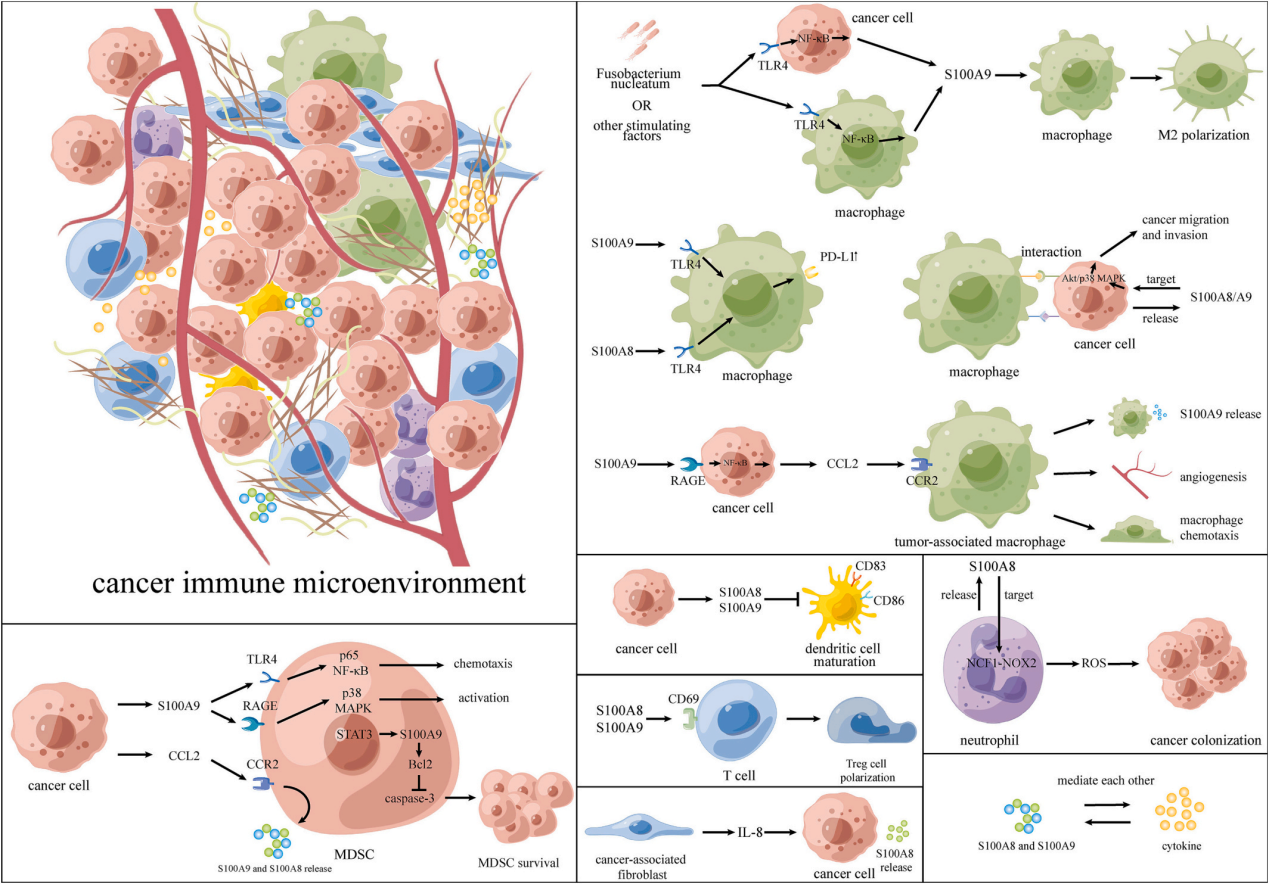
(Data source: Chen Y, et al. Biochim Biophys Acta Rev Cancer. 2023)
Targeted therapy for S100A8 and S100A9
S100A8/A9 is a core mediator of the host inflammatory response and is an attractive therapeutic target at multiple levels, including its expression, activity, and downstream signaling. Therapeutic targeting of S100A8/A9 can be broadly categorized into direct and indirect strategies, depending on whether the intervention acts on the S100A8/A9 complex itself or on the signaling pathways that regulate its activity and expression.
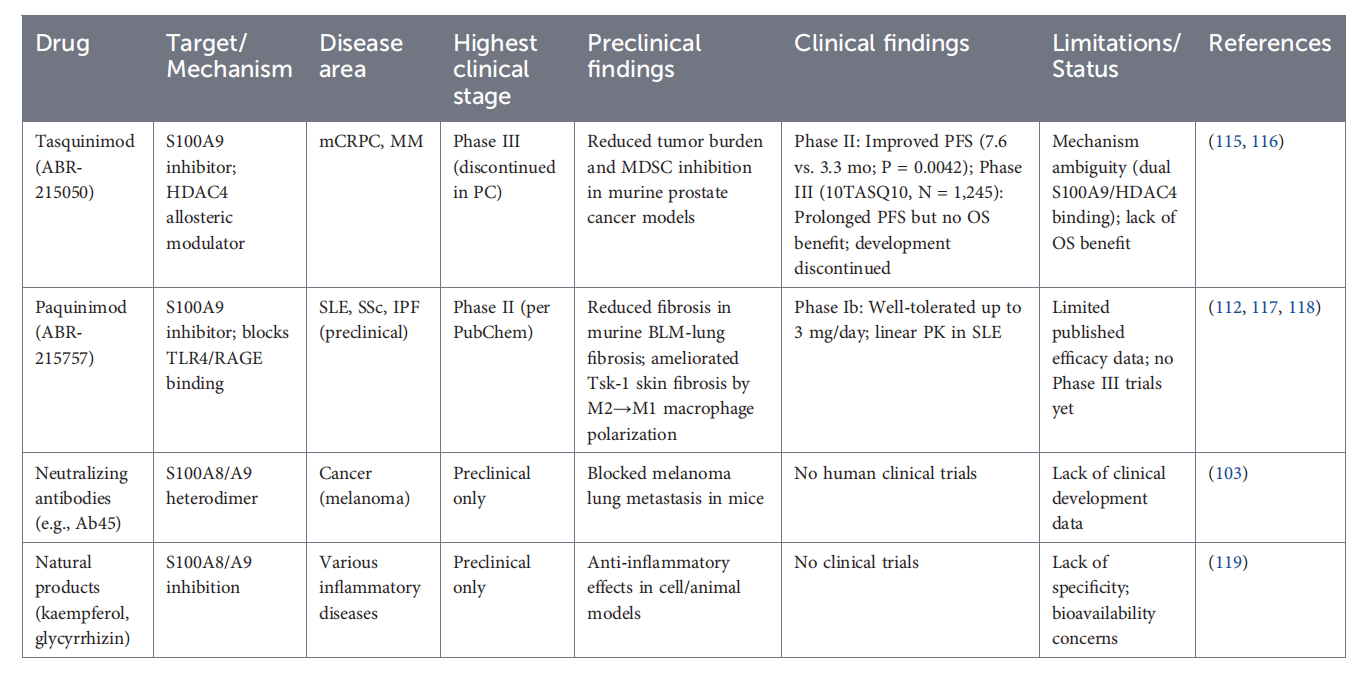
Paquinimod (ABR-215757) is a small molecule drug that targets S100A9, blocking its extracellular interaction with receptors such as TLR4. This inhibition prevents the formation of the STIP1-STAT3 complex and inhibits the Tyr705 phosphorylation of STAT3.
Paquinimod demonstrated high efficacy in a phase II clinical trial for systemic lupus erythematosus and systemic sclerosis, reducing circulating S100A8/A9 levels, alleviating inflammatory pathology, and without causing significant immunosuppression.
Dukiprubart (SGC001), developed by Beijing Sungen Biomedical Technology Co., Ltd, is a monoclonal antibody targeting S100A8 and S100A9 for the emergency treatment of acute myocardial infarction (AMI). It has received dual approval in the United States and China. Preclinical pharmacodynamic and toxicological studies have demonstrated that SGC001 has significant therapeutic effects on heart failure and pathological cardiac remodeling after AMI, significantly reducing mortality, infarct size, and improving cardiac function, exhibiting good efficacy and a reliable therapeutic window. SGC001 holds promise as a first-in-class drug, providing a safer and more effective treatment option for AMI patients worldwide.
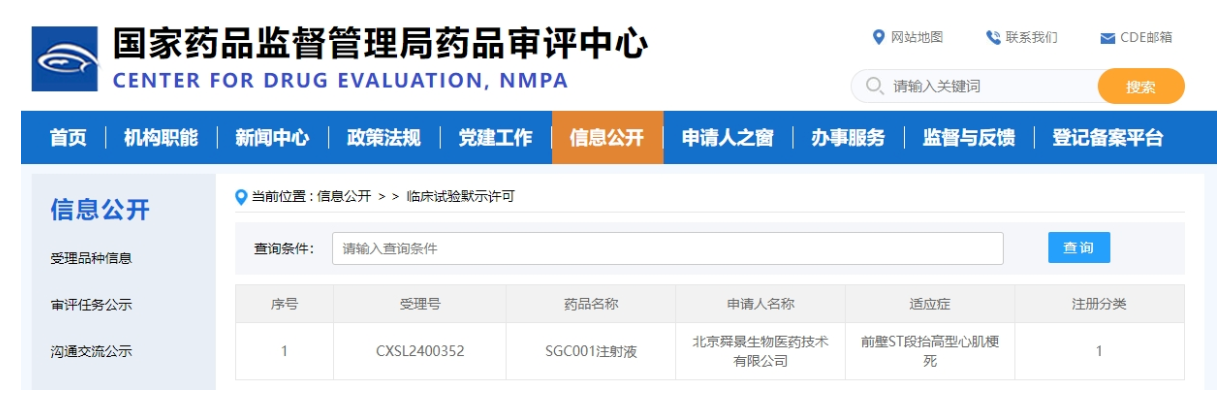
(Data source: National Medical Products Administration website)
