Claudin-6 (CLDN6) is a crucial component of tight junctions (TJs), exhibiting a typical carcinoembryonic expression pattern. It is largely absent in normal adult tissues but is re-expressed in various malignancies. This tumor-restricted expression profile provides a potential therapeutic window for CLDN6 -targeted therapy. CLDN6 is involved in multiple aspects of tumor biology, including regulating tumor growth, metastasis, metabolic reprogramming, immune microenvironment remodeling, and treatment resistance. Therefore, CLDN6 has emerged as a cancer biomarker and a promising therapeutic target.
Expression distribution of CLDN6
Based on the GTEx dataset, CLDN6 mRNA is largely silenced in normal adult tissues, with very low expression in the brain, testes, pituitary gland, and pancreas, supporting its carcinoembryonic expression pattern. Developmental studies indicate that CLDN6-positive epithelial progenitor cells are primarily confined to early developmental stages and become rare in normal tissues after birth.
GEPIA database analysis showed that CLDN6 mRNA expression was significantly elevated in several tumor types, including ovarian serous cystadenocarcinoma (OV), testicular germ cell tumor (TGCT), endometrial cancer of the uterine corpus (UCEC), and uterine carcinosarcoma (UCS). CLDN6 mRNA expression was extremely low in most breast cancer (BC) samples. CLDN6 mRNA expression was extremely low in invasive BC tissues and most BC cell lines, with significant expression detected only in a limited number of cell lines (such as CaL - 85-1).
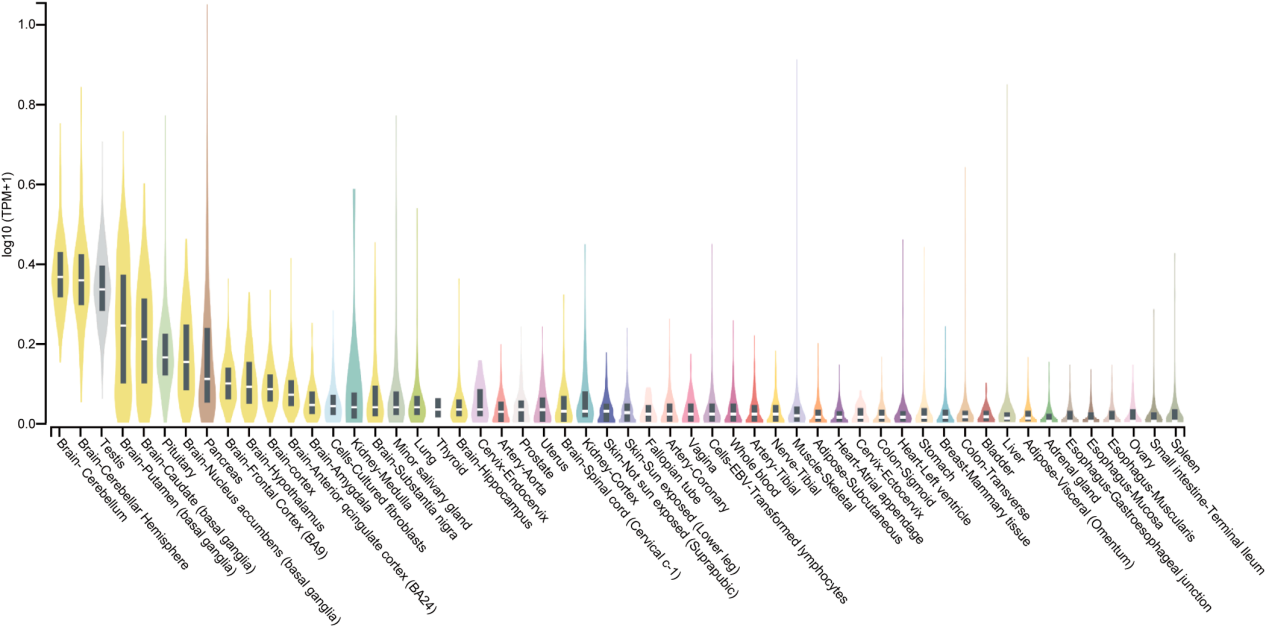
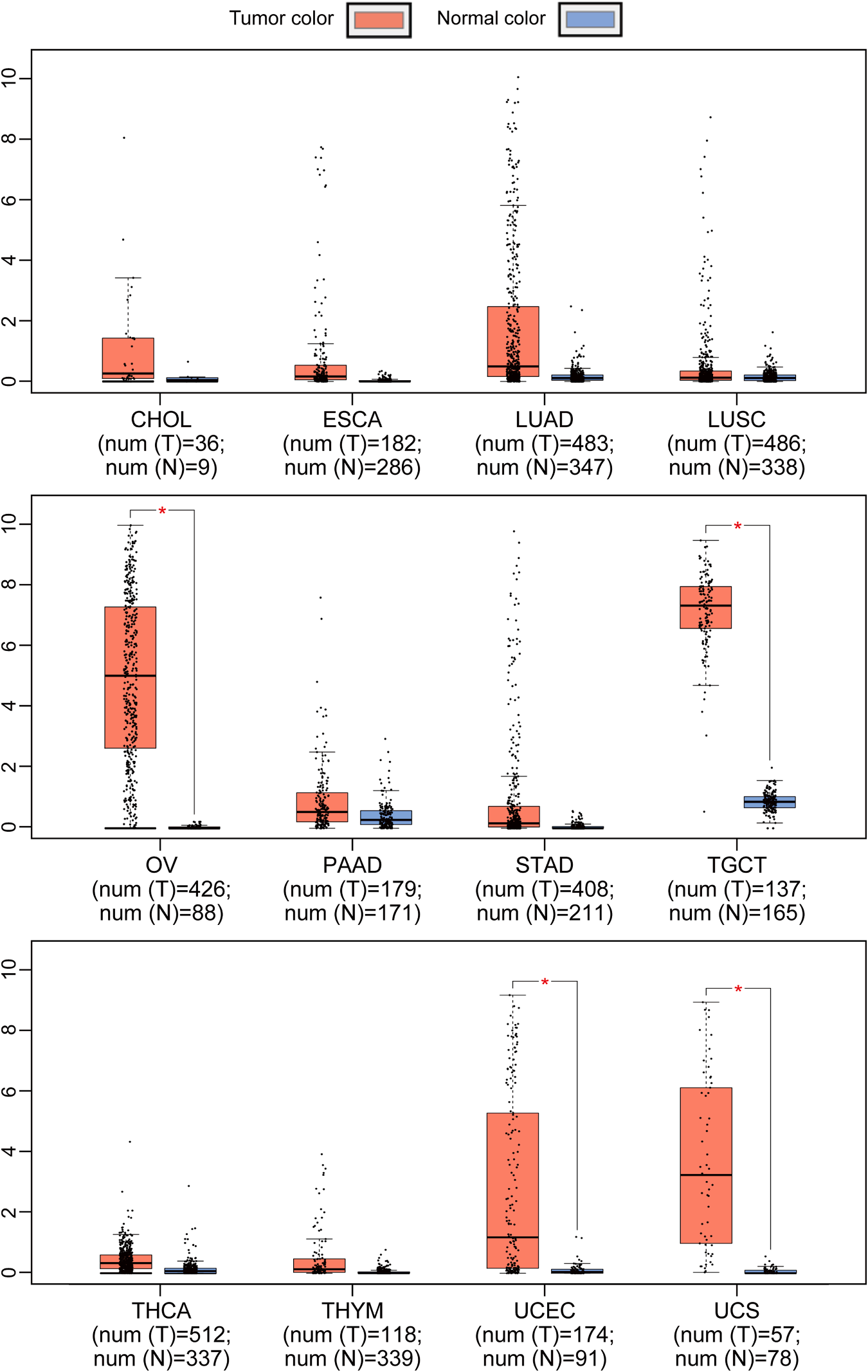
(Data source: Yang Z, et al. Pharmacol Res. 2026)
The structure of CLDN6 and its receptor
CLDN6 gene is located at 16p13.3 and contains three exons. CLDN6 is a four-transmembrane protein composed of 220 amino acids, with short N-terminal and C-terminal cytoplasmic domains, two extracellular domains (ECL1, larger, and ECL2, smaller), and a short intracellular loop, consistent with other CLDNs.
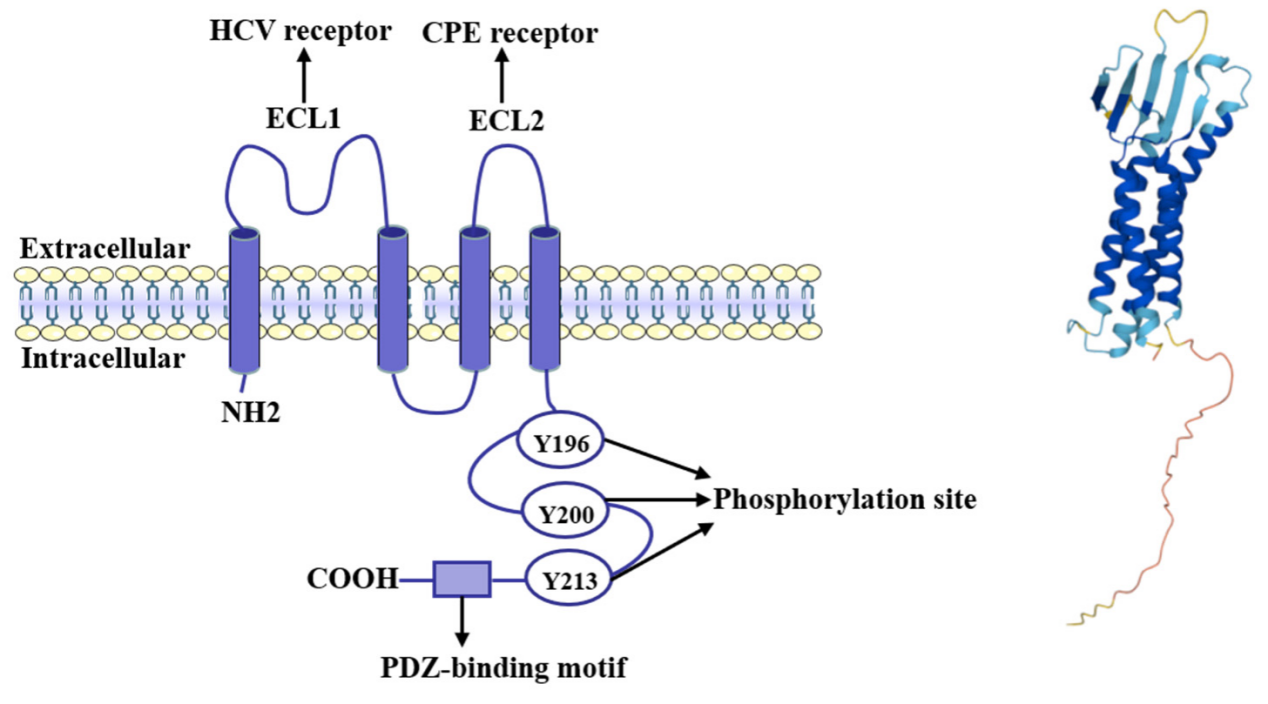
(Data source: Qu H, et al. Int J Mol Sci. 2021)
The role of CLDN6 in cancer
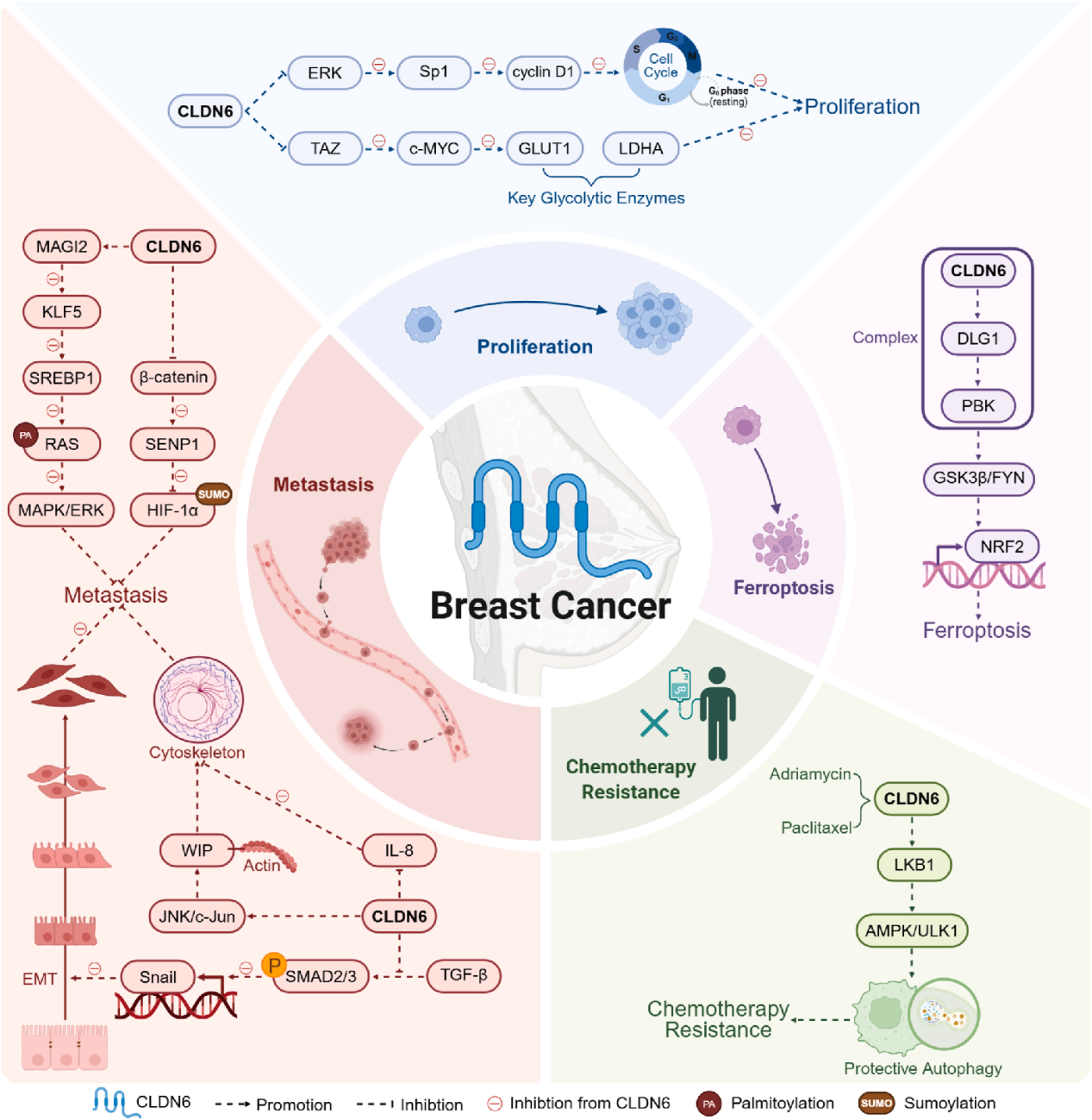
CLDN6 also plays the role of an environment-dependent signaling regulator in cancer. Through its pdz-binding motif (PBM) and related scaffold interactions, CLDN6 regulates a variety of malignant processes, including proliferation, cell adhesion, epithelial-mesenchymal transition (EMT), migration, and invasion.
Regulation of tumor cell proliferation: CLDN6 inhibits ERK signaling, which is associated with decreased Sp1 activity and reduced cyclin D1 expression, consistent with impaired cell cycle progression. Simultaneously, CLDN6-mediated TAZ inhibition is associated with decreased c-MYC expression and reduced activity of key glycolytic enzymes (including GLUT1 and LDHA), ultimately limiting tumor cell proliferation.
Promoting metastasis: CLDN6 inhibits srebp1-driven fatty acid synthesis, reduces RAS palmitoylation and membrane localization, and attenuates the MAPK/ERK signaling pathway by binding to mag2/KLF5. Under hypoxic conditions, pbm-dependent inhibition of β-catenin nuclear translocation downregulates SENP1, promotes HIF - 1α degradation, and restricts its transcriptional activity. CLDN6 also stabilizes cytoskeleton structure by downregulating JNK/c-Jun-WIP and IL-8, and inhibits EMT by suppressing TGF-β-induced SMAD2/3 activation and Snail expression. In summary, these mechanisms are consistent with reduced metastatic potential.
Relationship with chemotherapy resistance: CLDN6 is associated with decreased sensitivity to doxorubicin and paclitaxel chemotherapy. Part of the mechanism is the activation of the LKB1-AMPK-ULK1 signaling pathway and the induction of protective autophagy, which can promote the survival of tumor cells under drug-induced stress.
Regulation of ferroptosis: CLDN6 regulates the CLDN6 - dlg1 - pbk complex, which modulates ferroptosis via downstream GSK3β/FYN-NRF2 axis signal transduction.
Gastric adenocarcinoma: CLDN6 regulates tumorigenesis via the YAP/TAZ-TEAD axis. It also regulates the cell cycle by modulating Skp2 activity. Furthermore, CLDN6 promotes EMT and metastasis by regulating E-cadherin and Snail expression. Additionally, CLDN6 enhances stemness by regulating Nanog and Sox2 expression.
Colorectal cancer: CLDN6 interacts with PTEN via ZO - 1, regulating the AKT pathway in the context of p53 ubiquitination, thereby affecting proliferation. Simultaneously, CLDN6 binds to the TYK2/Stat3 signaling pathway, promoting tumor metastasis.
Hepatocellular carcinoma: CLDN6 promotes EMT, manifested by decreased e - cadherin and increased n - cadherin and vimentin. Simultaneously, CLDN6 activates the EGFR-AKT-mTOR signaling pathway, enhancing the phosphorylation of JAK2 and Stat3, jointly promoting cell proliferation and metastasis.
Cervical adenocarcinoma: CLDN6 participates in collective cell migration through integrin β4 and CD44, as well as e - cadherin and CLDN1. CLDN6 can promote the expression of other members of the AKR family (AKR1C3, AKR1C2, AKR1C1, AKR1B1) and is positively correlated with AKR1C1, jointly promoting chemotherapy resistance.
Non-small cell lung cancer: CLDN6 promotes cell proliferation and metastasis by regulating the RIP/ASK1/JNK signaling pathway, inhibiting glycolytic enzymes (HK2 , PKM2, LDHA).
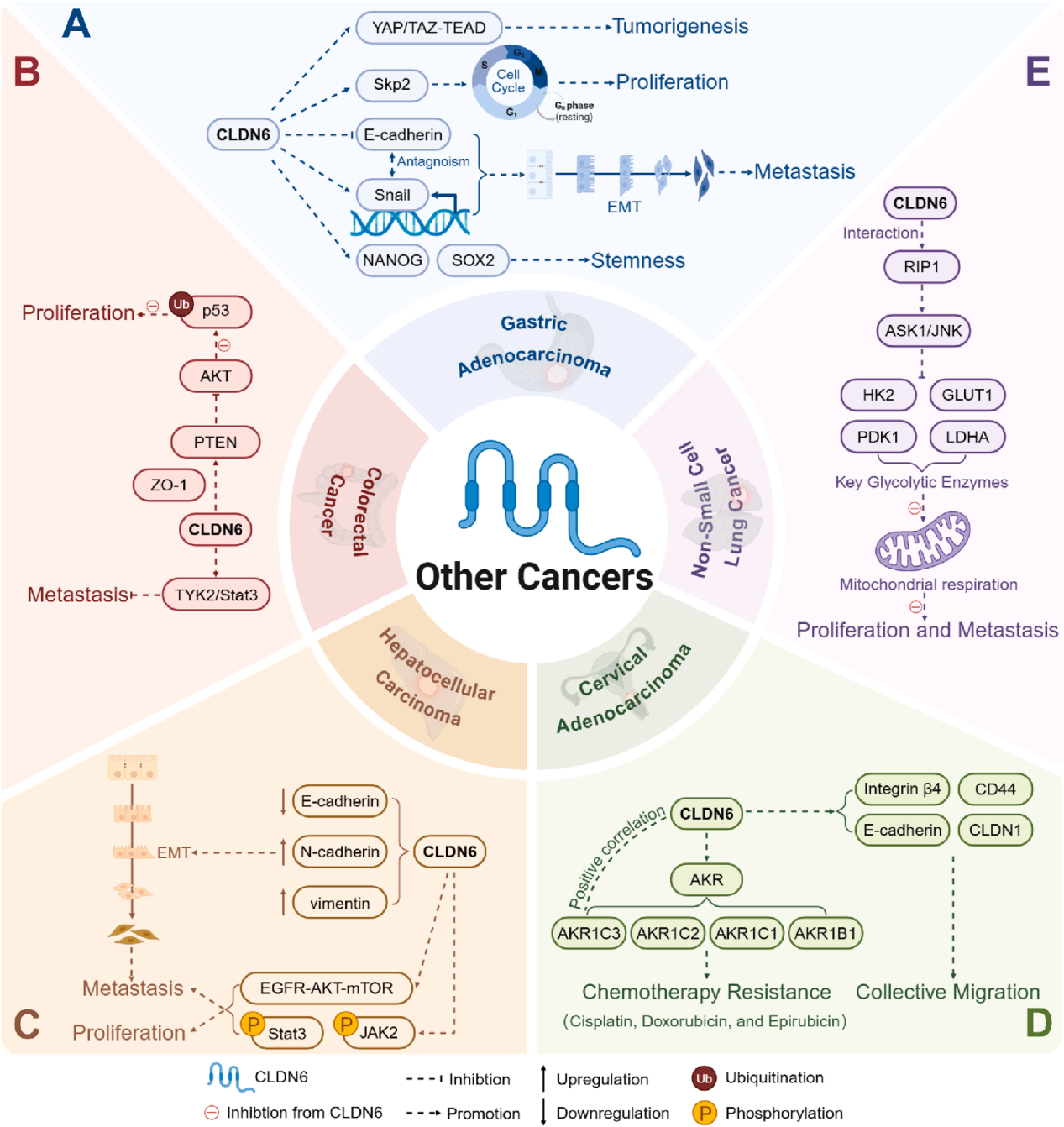
(Data source: Yang Z, et al. Pharmacol Res. 2026)
Targeted therapy for CLDN6
Because CLDN6 is expressed in a variety of tumor cells, there are many clinical studies targeting CLDN6. Targeted therapies for CLDN6 mainly include monoclonal antibodies, TEC, ADC, and ACT.
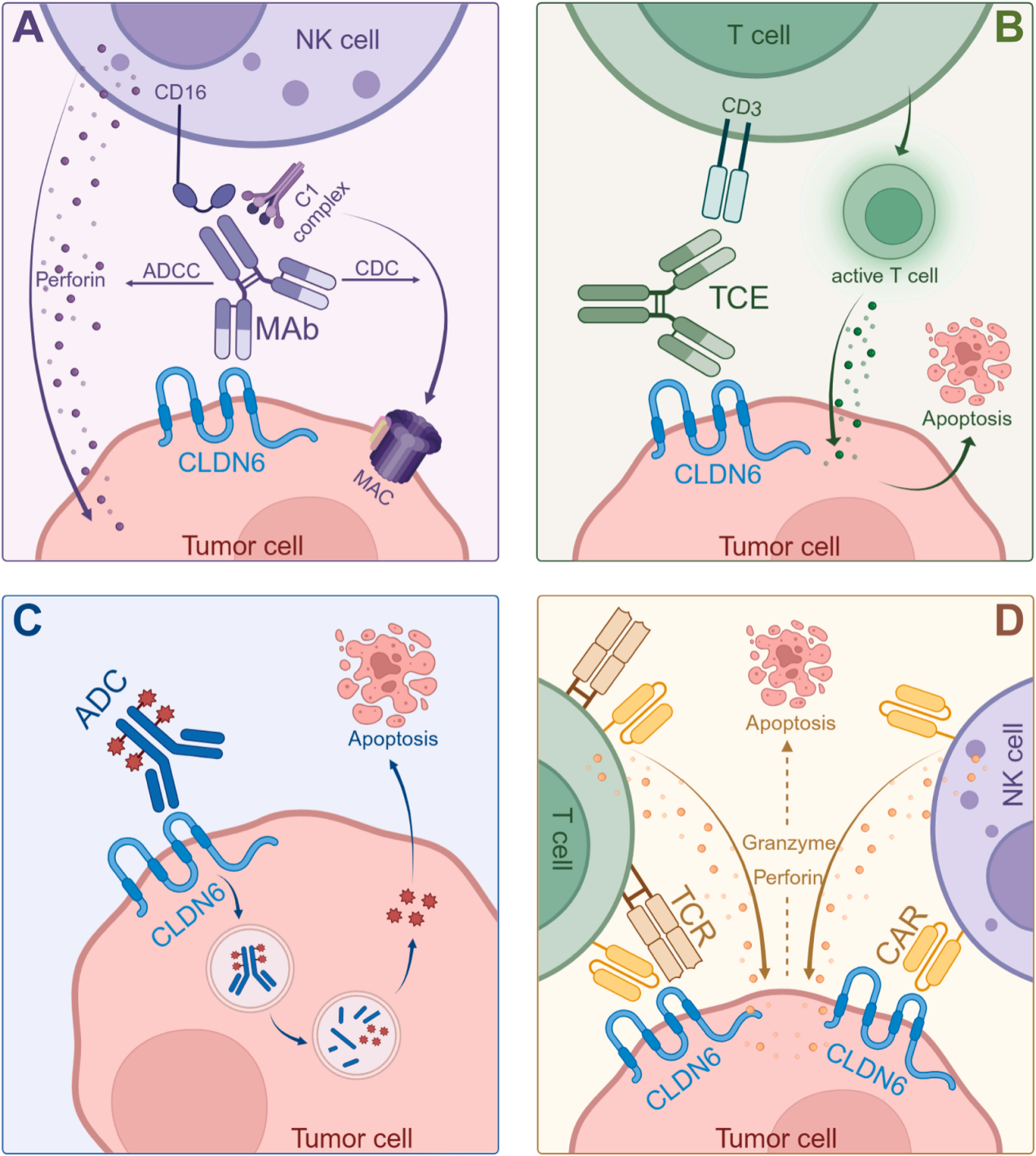
(Data source: Yang Z, et al. Pharmacol Res. 2026)
ASP1650 (IMAB027) is the first CLDN6 monoclonal antibody to enter clinical evaluation. In a cldn6-expressing GCT model, ASP1650 induces ADCC and CDC and has shown antitumor activity in preclinical studies, supporting its development as a potential treatment for relapsed or refractory GCT. A multicenter, single-arm phase 2 trial (NCT03760081) evaluated ASP1650 in 16 male patients with relapsed/refractory GCT. A phase 1 clinical trial (NCT02054351) of IMAB027 in patients with advanced OC showed acceptable safety and preliminary antitumor activity. Based on these findings, IMAB027 has been developed as an ADC and has shown potent antitumor activity in preclinical models of ovarian and endometrial cancer.
AMG794 is an early-prolonged, bispecific trichloroethylene (BiTE®) that demonstrated T-cell-mediated efficacy in killing CLDN6-positive tumor cells in preclinical studies. However, its Phase 1 trial (NCT05317078) in CLDN6-positive NSCLC and OC patients was terminated due to slow enrollment and slow corporate decision-making, and no serious safety signals were reported. Subsequently, CLDN6×CD3 TCEs focused on improving target selectivity and molecular structure. Xencor's XmAb541, using a 2+1 formulation to enhance CLDN6 affinity and reduce cross-reactivity with associated CLDN3/4/9, is currently being evaluated in a Phase 1 trial (NCT06276491) primarily for advanced CLDN6-positive OC. BeiGene's BGB-B455 is undergoing Phase 1 dose escalation and expansion trials in several advanced or metastatic CLDN6-positive solid tumors (NCT06803680).
CLDN6-23-ADC, based on the monoclonal antibody CLDN6-23, targets the extracellular second ring of CLDN6, exhibiting stronger selectivity than closely related CLDNs (CLDN3/4/9) and efficient internalization. CLDN6-23-ADC is rapidly internalized by CLDN6-positive tumor cells, selectively inhibiting their proliferation. CLDN6-23-ADC is being developed clinically as TORL-1-23 (Ixotatug vedotin) and has entered a Phase II clinical trial in advanced OC (NCT06690775). Simultaneously, another study (NCT05103683) is evaluating its safety, tolerability, pharmacokinetics, and antitumor activity.
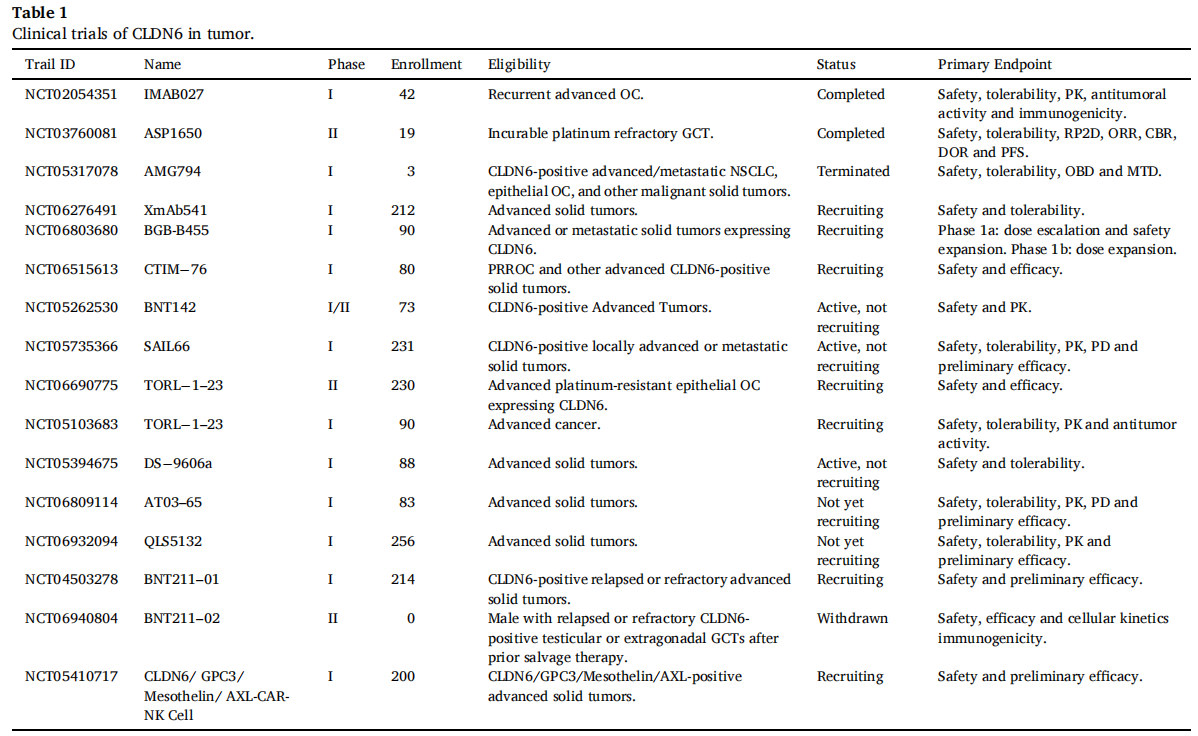
(Data source: Yang Z, et al. Pharmacol Res. 2026)
