Albumin (ALB), primarily synthesized by the liver, is the most abundant plasma protein in the circulatory system, with human serum albumin (HSA) being the most clinically important. Due to its excellent biocompatibility, long half-life, and remarkable structural adaptability, albumin has become a versatile drug delivery platform. Various albumin-based drug delivery systems (ADDS) have been developed, including nanoparticles (NPs), conjugates, micelles, microspheres, and hybrid carriers. Because of albumin's inherent properties and clinical advantages, albumin-based systems may play a significant role in treating diseases affecting the circulatory and lymphatic systems, including leukemia and lymphoma, as well as blood-borne diseases such as hepatitis, human immunodeficiency virus (HIV), malaria, and Ebola virus.
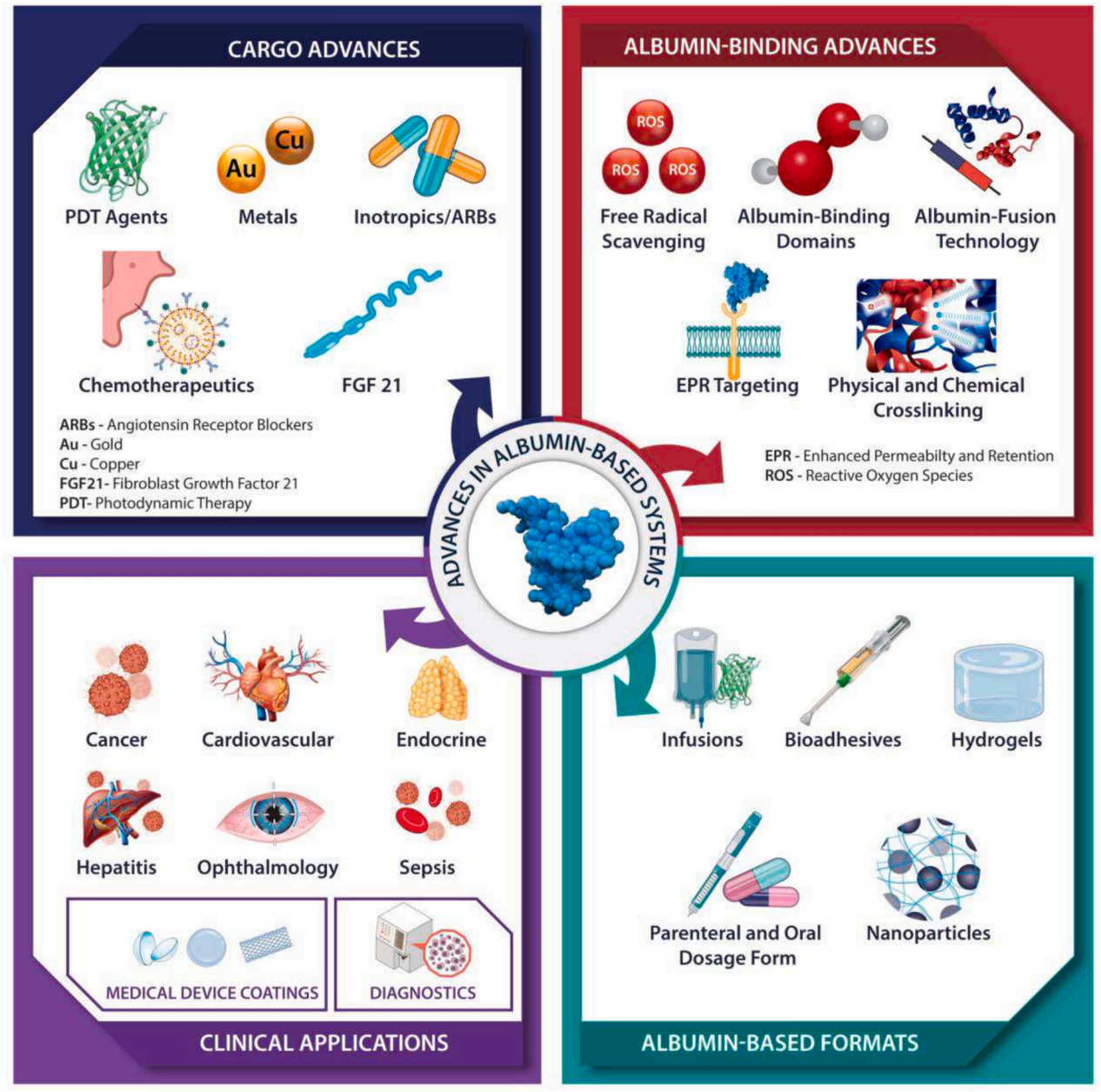
(Data source: Murphy G) et al. J Control Release. 2025)
ALB structure
Albumin is a globular, amphiphilic protein composed of a single polypeptide chain containing 585 amino acids. Its structure comprises three homologous domains (I, II, III), folded into a heart-shaped structure. Each domain consists of two subdomains (A, B) sharing a common structural motif. The protein is primarily composed of α-helices and has a molecular weight of approximately 66 kDa. Domain DI contains fatty acid binding site 1, a free cysteine residue (C34), and a drug binding site 3. Fatty acid binding site 2 and a metal binding site are located between DI and DII. Domain II contains drug binding site 1 (Sudlow site I) and fatty acid binding sites 6 and 7. Domain III includes drug binding site 2 (Sudlow site II) and fatty acid binding sites 3, 4, and 5. Albumin can bind various drugs at fatty acid binding sites (FA1-FA7), the hydrophobic Sudlow I and II sites, and in drug binding pockets within the protein's hydrophobic cavity. The high flexibility and adaptability of albumin's structure make it an ideal candidate material for various applications, including drug delivery systems and medical device coatings.
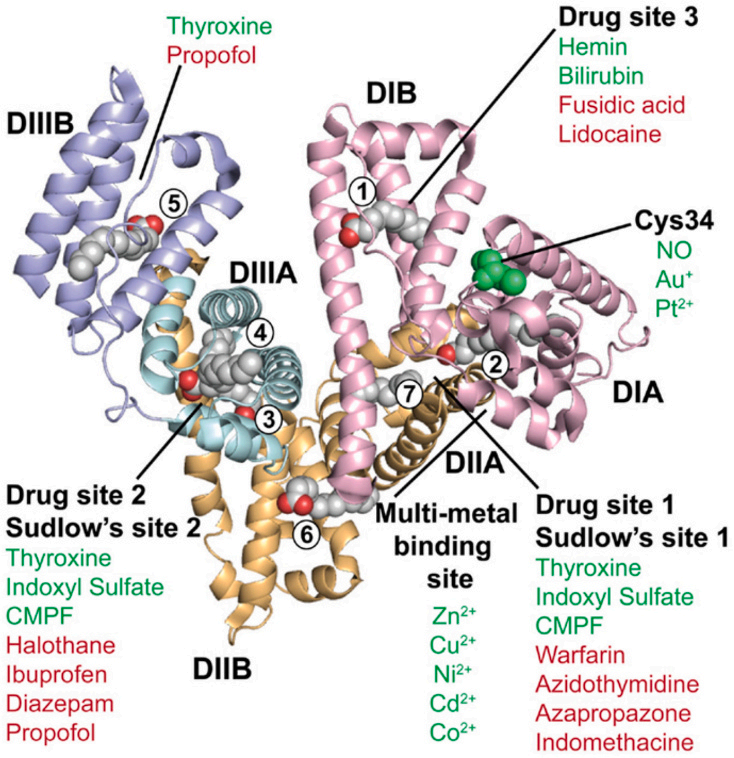
(Data source: Zhou X, et al. Adv Colloid Interface Sci. 2026)
ALB signaling pathways and regulation
Human serum albumin (HSA) has the ability to reduce the levels of inflammatory cytokines in the plasma of patients with Alzheimer's disease and cirrhosis. HSA exerts its immunomodulatory effects in leukocytes by blocking the Toll-like receptor (TLR) signaling pathway in the endosome compartment. After being internalized by leukocytes, HSA can inhibit the production of inflammatory cytokines induced by bacterial single-stranded CpG-DNA in endosomes. This DNA binds to its specific receptor TLR9 and initiates signal transduction by recruiting the primary response gene for myeloid differentiation, MyD88. HSA can also inhibit other endosome TLRs, such as TLR3 and TLR4. TLR3 can be activated by double-stranded RNA (e.g., poly (I:C)), while TLR4 is translocated to endosomes after binding to lipopolysaccharide (LPS). Both TLR3 and TLR4 transmit signals through molecules containing TIR domains. The immunomodulatory effects of HSA do not impair leukocyte defense mechanisms such as phagocytosis, apoptotic cell phagocytosis, and intracellular ROS generation, and therefore do not appear to cause immunosuppression. These findings suggest that, similar to other reported cell types such as hepatocytes and endothelial cells, albumin is internalized in leukocytes and regulates responses to PAMPs through interaction with the endosomal TLR signaling pathway.
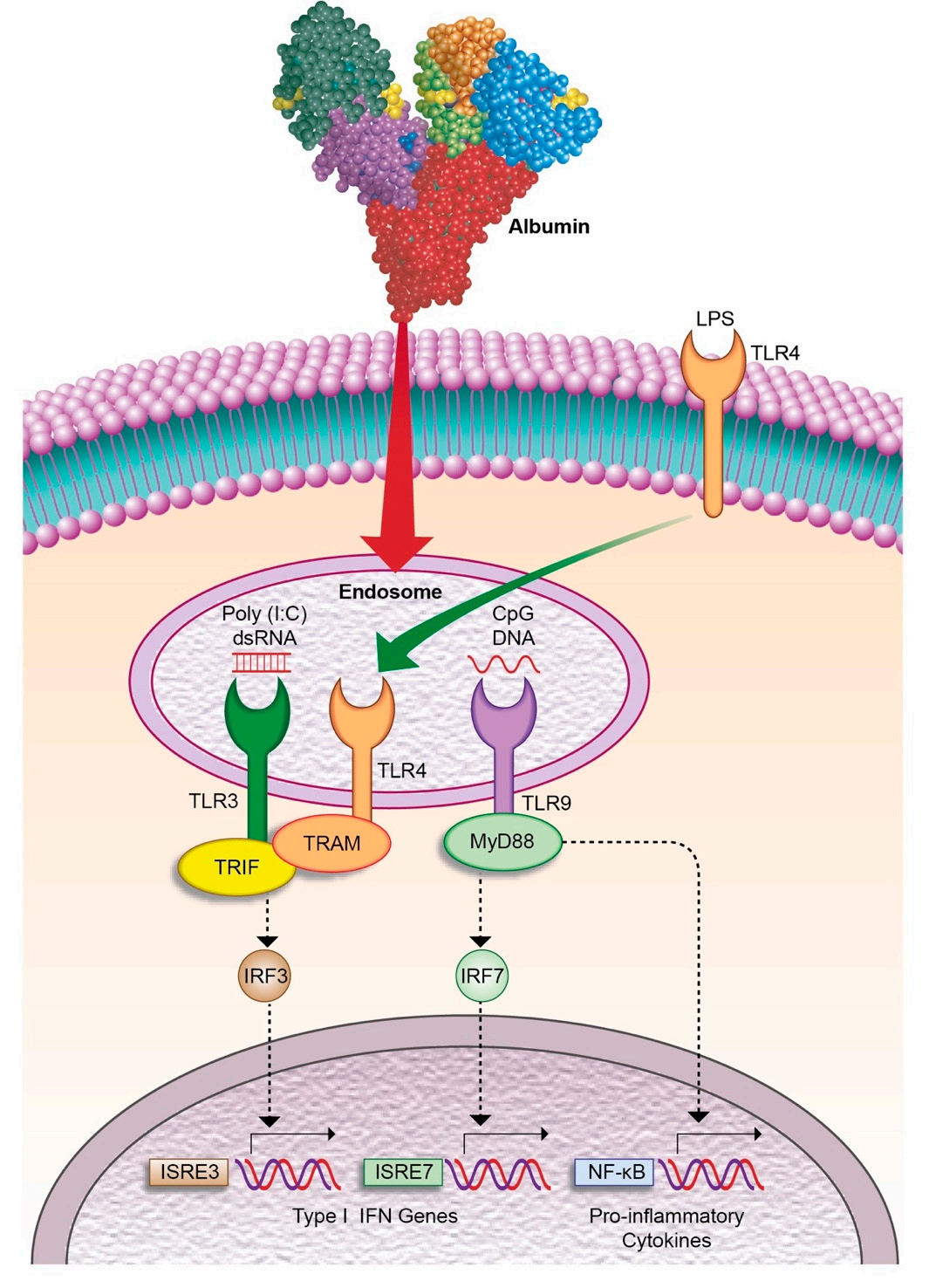
(Data source: Casulleras M, et al. Cells. 2020)
Application of ALB
Albumin can be conjugated or fused with antibody drugs, leveraging its high affinity for neonatal Fc receptors (FcRn) to prevent rapid drug clearance in the body, thereby prolonging the drug's half-life. For example, linking albumin to antibody fragments or whole antibodies can significantly increase the drug's residence time in the bloodstream, reduce dosing frequency, and improve drug efficacy.
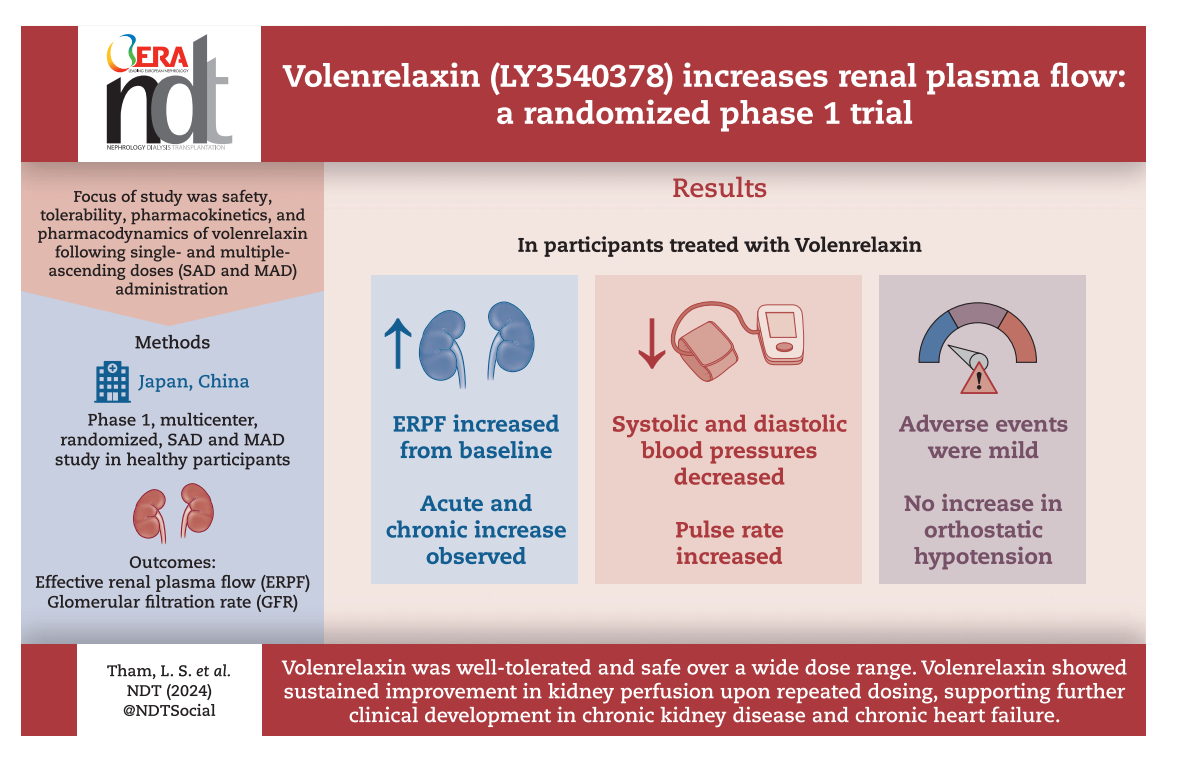
Volenrelaxin, also known as LY3540378, is a recombinant human relaxin analog that prolongs its half-life by binding to serum albumin. In a first-in-human phase 1 study (NCT04768855), volenrelaxin demonstrated good safety and tolerability in healthy subjects and showed efficacy across a wide dose range. Volenrelaxin was found suitable for once-weekly subcutaneous administration with generally mild adverse events.
Gefurulimab (ALXN1720) is a C5-targeting VHH, consisting of an N-terminal albumin-binding VHH fragment linked to a C-terminal C5-binding VHH fragment via a flexible linker. Due to rapid renal clearance, a purified C5-blocking VHH of approximately 13 to 14 kDa is expected to have a short half-life. Gefurulimab introduces an albumin-binding VHH, enabling its transport via serum albumin, which has a longer circulating half-life due to FcRn-mediated recycling.
Gocatamig is a trispecific T-cell activation construct targeting DLL3×HSA×CD3. It features a small molecular weight (approximately 50 kDa) and a long half-life (13.8 days). Preliminary results from the Phase 1/2 study 6070-001 showed that, as monotherapy, Gocatamig at target doses of 12 mg and 24 mg demonstrated good antitumor activity and manageable safety (N=41). Phase I-II clinical trials are currently underway in patients with SCLC and other DLL3-overexpressing tumors.
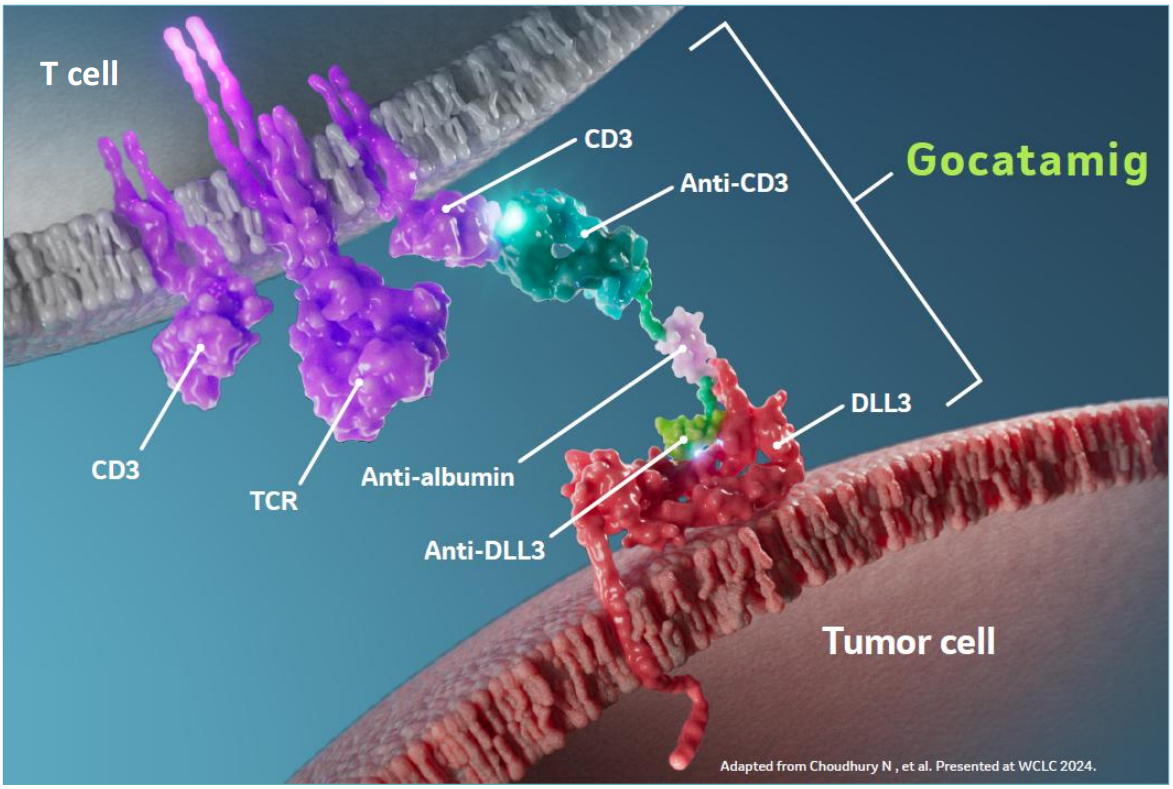
(Data source: ESMO official website)
Albumin (ALB) possesses a three-domain α-helix structure containing hydrophobic pockets, flexible hinges, and reactive residues, enabling four distinct drug delivery mechanisms: physical binding (e.g., the Sudlow site), covalent coupling (e.g., Cys34, lysine), protein canopy formation, and encapsulation assisted by refolding. Albumin can function as a drug carrier at multiple structural levels, particularly through its surface, internal hydrophobic cavities, and even multilayered albumin assembly structures. This versatility makes it one of the few single-biomolecule examples capable of supporting such diverse delivery strategies.
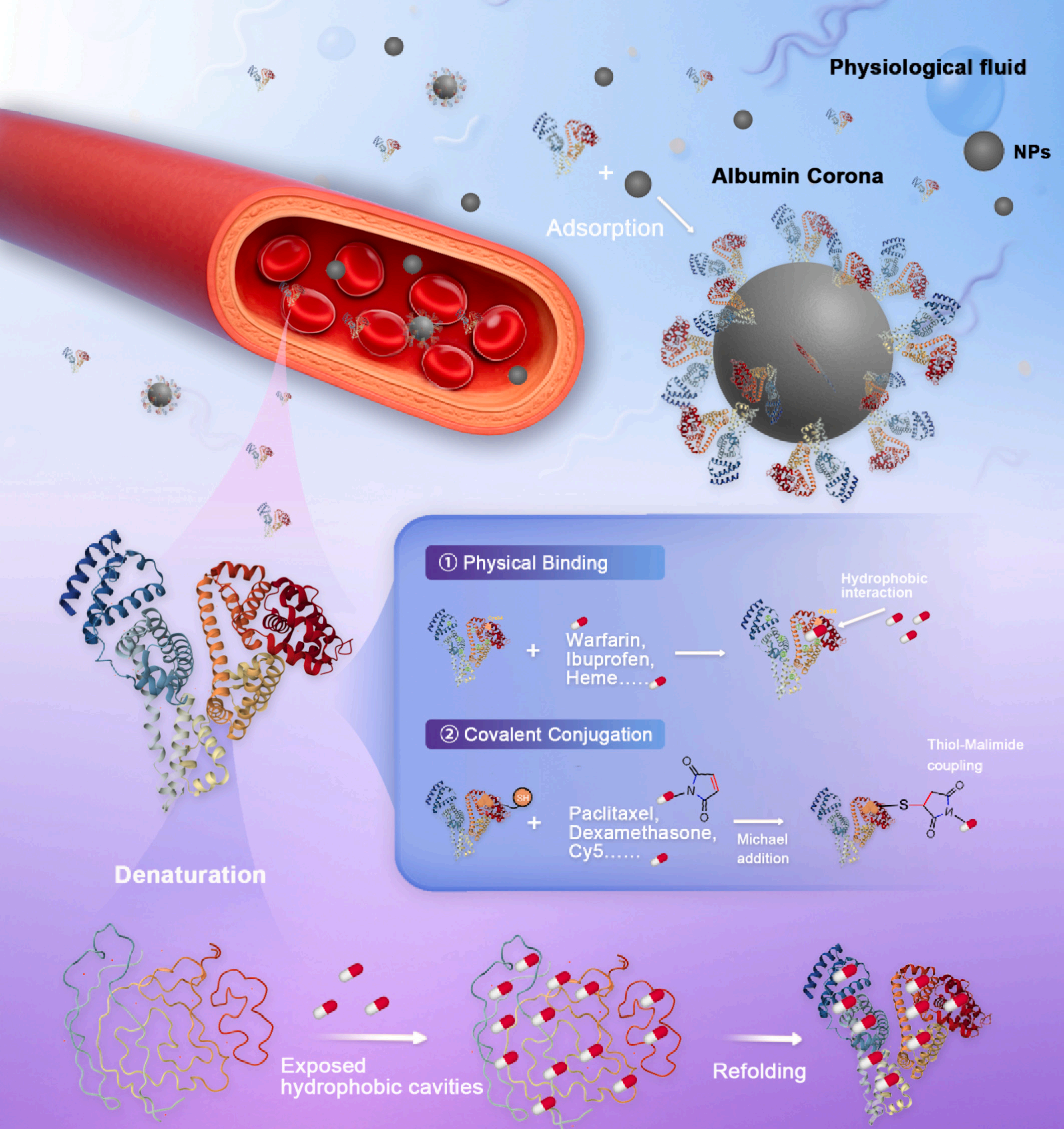
(Data source: Zhou X, et al. Adv Colloid Interface Sci. 2026)
Recent preclinical breakthroughs in albumin-based protein (ALB) include dual-targeting approaches to tumor mannose receptors, combined synergistic therapies, novel release mechanisms, applications in brachytherapy and photodynamic therapy, use of chemotherapy resistance agents, and the use of biocompatible crosslinking agents and ingredients in formulation. Other areas of significant preclinical development include albumin-based therapeutic conjugates for diabetes, improved bioadhesives for heart disease, targeted nanoparticle systems for the treatment of hepatitis and sepsis, and therapeutic diagnostic applications in chemotherapy. Albumin-based hydrogels have also achieved preclinical breakthroughs as coatings for medical devices such as contact lenses, catheters, bone allografts, and breast implants.
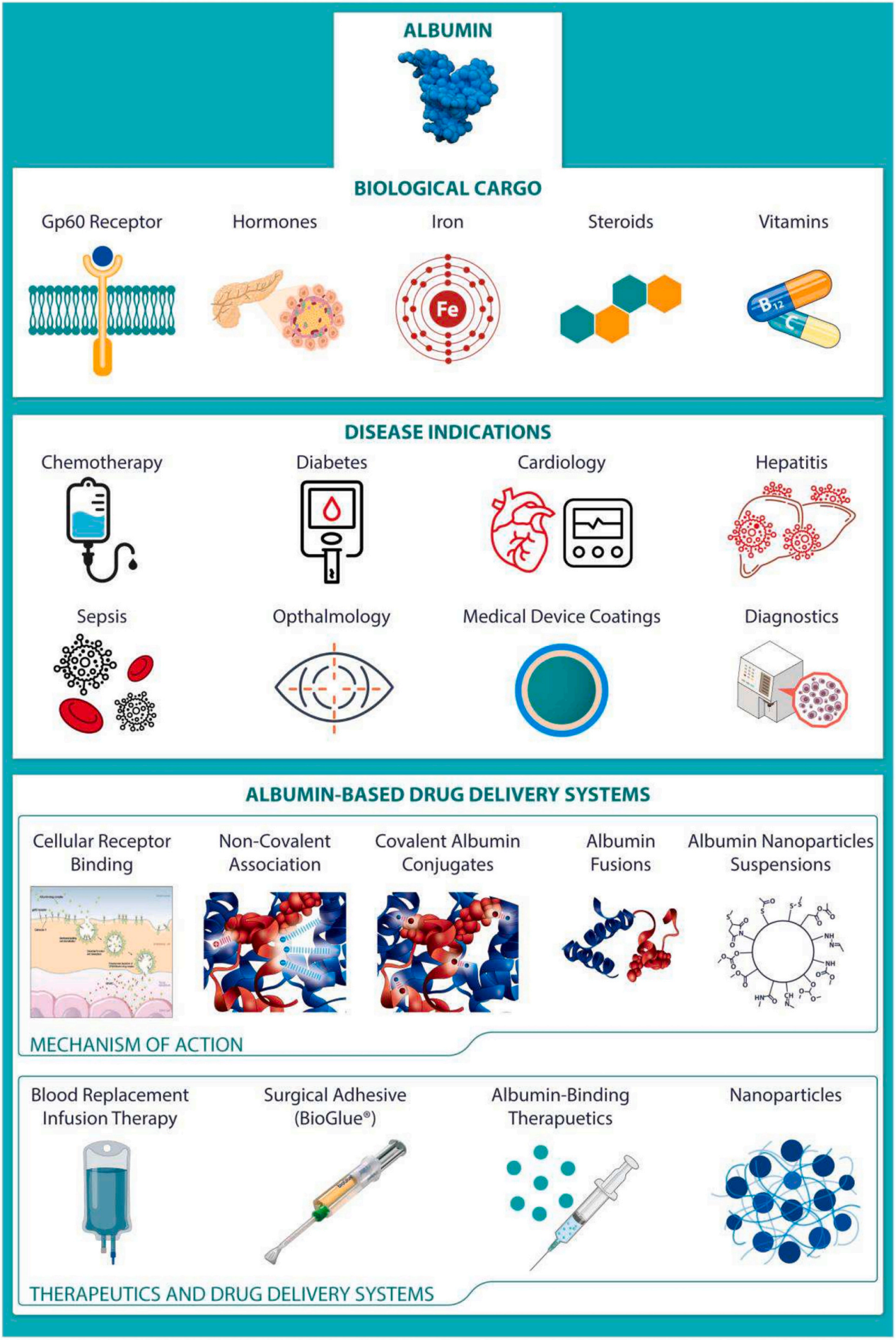
(Data source: Murphy G) et al. J Control Release. 2025)
