Anthrax toxin (AT) is composed of three proteins: protective antigen (PA, 83 kDa), lethal factor (LF, 90 kDa), and edema factor (EF, 89 kDa). The protective antigen (PA) is one of the three proteins that make up anthrax toxin; it mediates binding to host cells and transports the edema factor (EF) and lethal factor (LF) into the host cytoplasm. The combination of LF and PA produces the lethal toxin (LT), while the combination of PA and EF constitutes the edema toxin (ET). LT and ET cause anthrax and its associated symptoms.
The structure of PA and its receptor
PA is a membrane protein composed of 764 amino acids. PA consists of four domains (Domain 1-4) and exhibits a unique folding pattern: Domain 1 is responsible for binding to cell receptors and contains a heparin-binding motif, which determines the host cell's targeting; Domain 2 contains a protease cleavage site and is activated after being recognized and cleaved by the host furin protease; Domain 3 forms a heptamer core, which induces oligomerization and inserts into the cell membrane; Domain 4 constitutes a transmembrane channel, providing a pathway for the transport of toxic factors.
Under physiological conditions, PA exists primarily in the octamer form. The octamer is more stable in serum (and therefore, more cytotoxic to macrophages when it binds to LF).
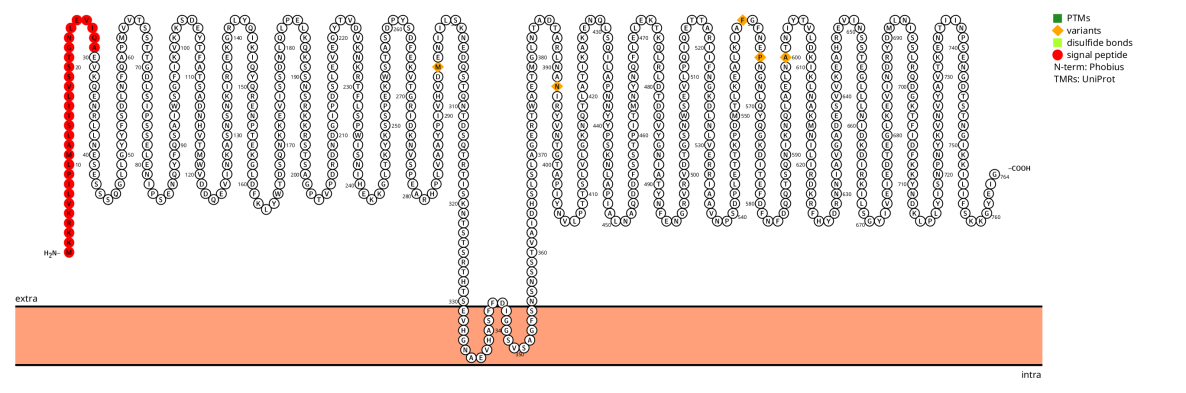
(Data source: protter)
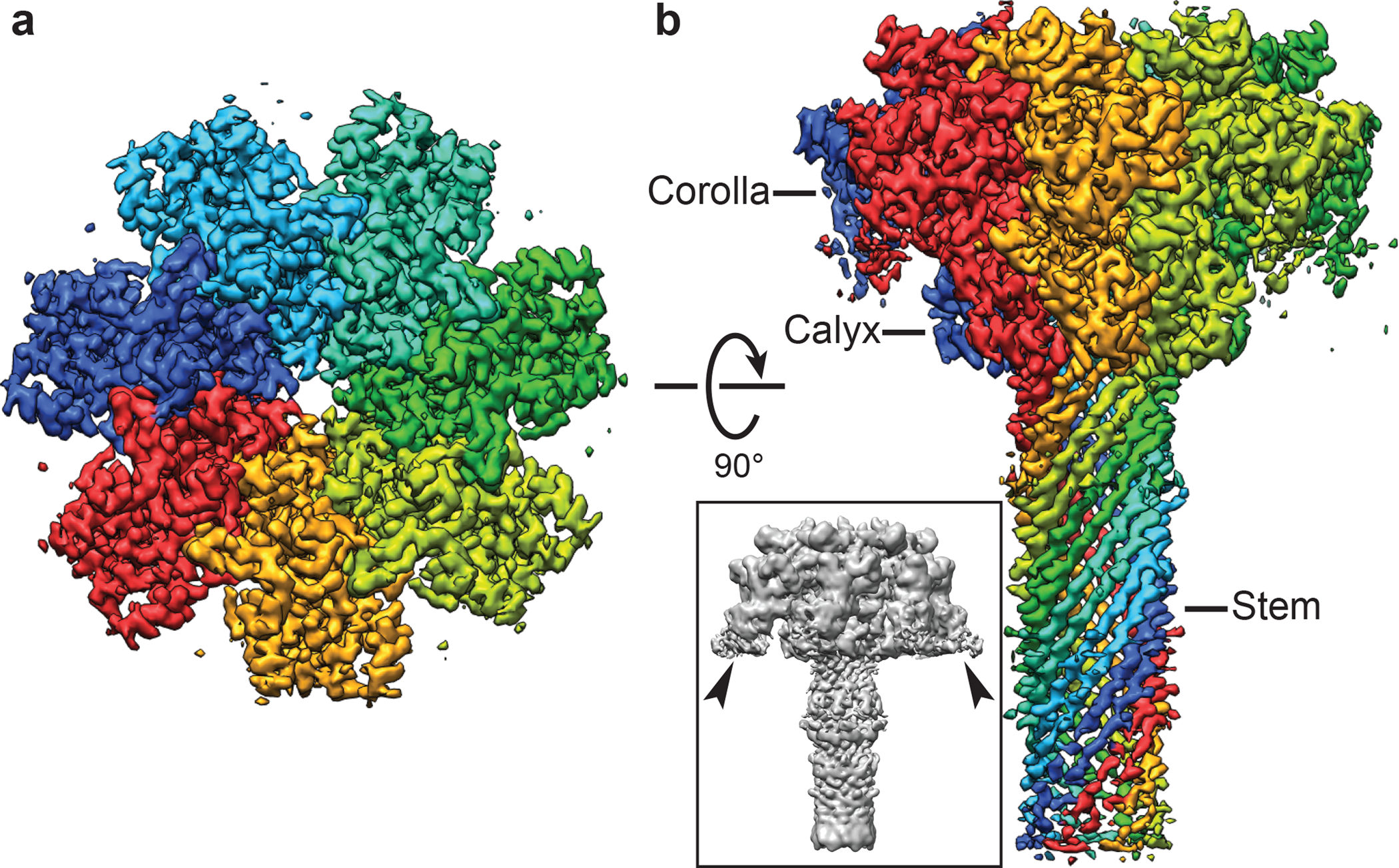
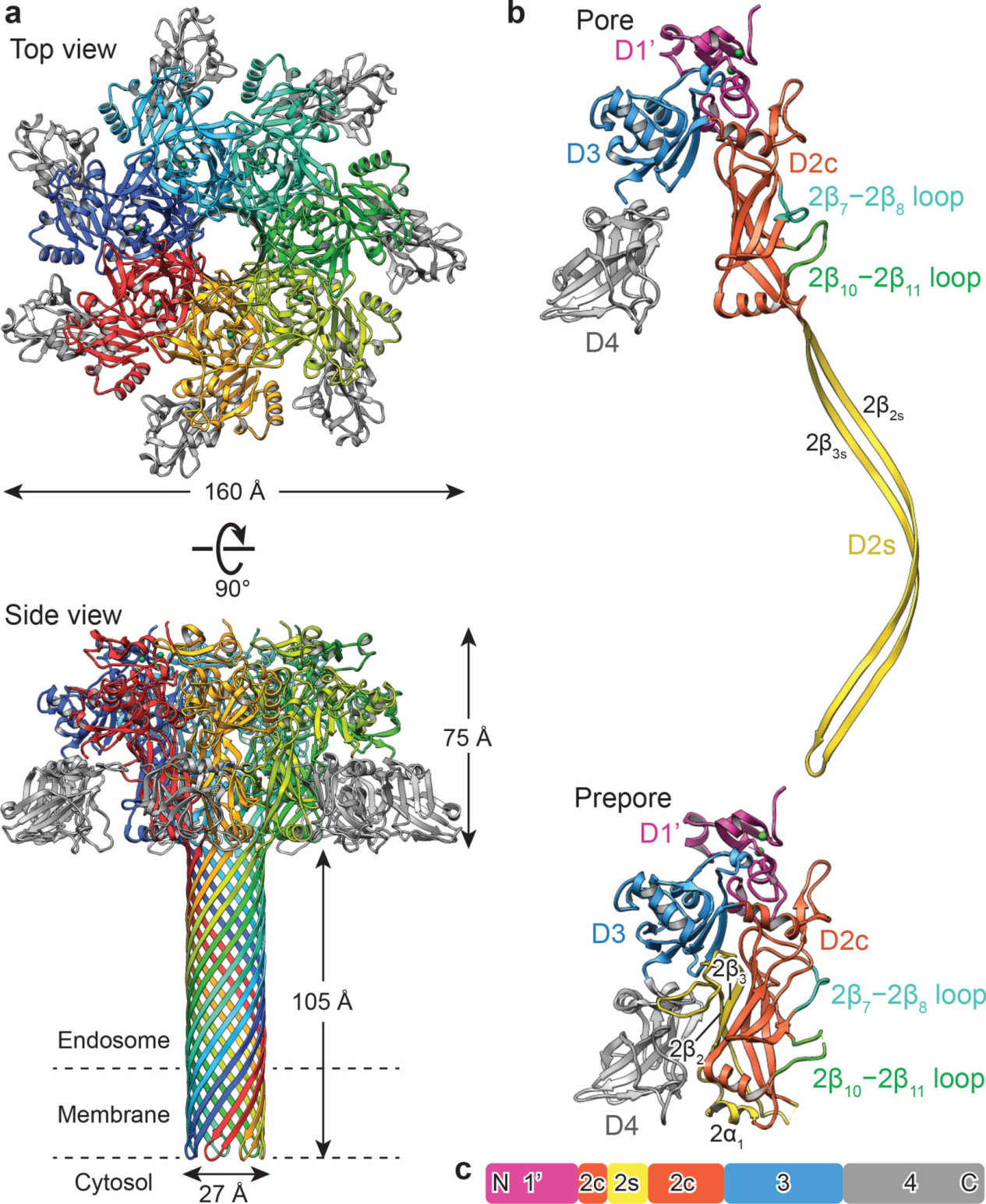
(Data source: Jiang J, et al. Nature. 2015)
PA activation mechanism
Anthrax toxin protective antigen (PA) is cleaved by furinase, enabling it to bind to two known cell surface receptors: tumor endothelial marker 8 (TEM8 or ANTXR1) or capillary morphogenesis gene 2 (CMG2 or ANTXR2). PA oligomerizes, binding two effector molecules of anthrax toxin, lethal factor (LF) and edema factor (EF), to the PA oligomer. If PA forms an octamer, up to four effector molecules can bind at the PA molecule junction and enter the cell via receptor-mediated endocytosis; after endoplasmic reticulum vacuolar acidification, PA forms pores; LF and EF partially unfold, their unfolded N-termini being pulled into the pores via a ratchet mechanism. The unfolded LF and EF refold in the cytoplasm and exert their enzymatic activity. EF catalyzes the production of cytoplasmic cAMP, while LF cleaves various growth factor-activated protein kinases, including Nlrp1.
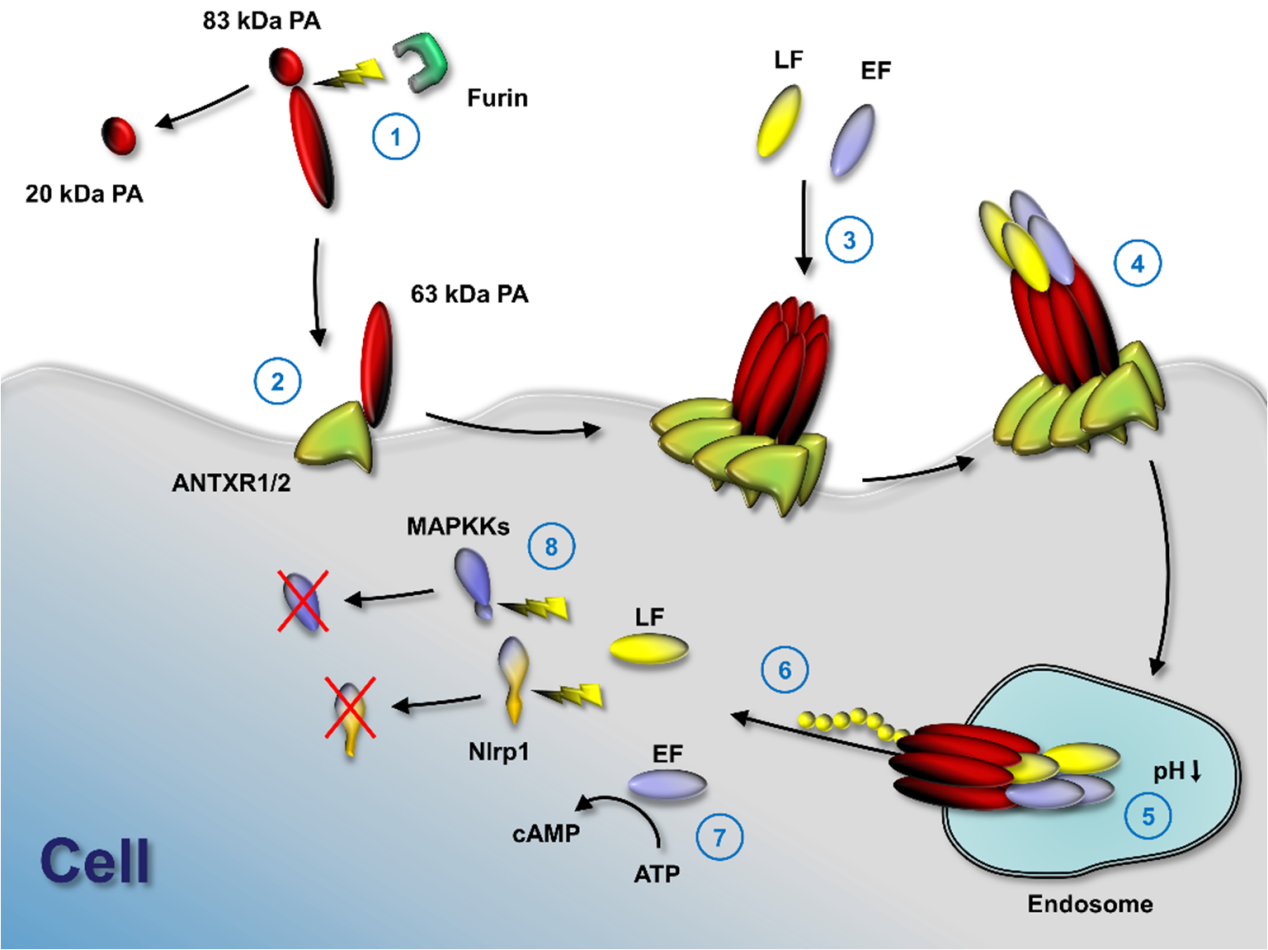
(Data source: Bachran C, et al. Toxins. 2016)
The role of PA in cancer treatment
The protective antigen (PA) of anthrax toxin can be mutated to contain restriction sites for tumor-specific proteases such as matrix metalloproteinases (MMPs) and the urokinase-type plasminogen activator uPA. In the tumor environment, MMPs or uPA cleave the mutated PA, and the activated 63-kDa PA fragment binds to target receptors (ANTXR1 or ANTXR2) and assembles into oligomers. Anthrax lethal factor (LF) or fusion proteins (containing the N-terminus of LF and other protein toxins or enzymes) can bind to the PA oligomers. This complex enters the cell via endocytosis, where the low pH environment promotes the formation of channels in the PA oligomers. LF or LF-toxin fusion proteins fold and are transported into the cytoplasm of cancer cells. LF can cleave mitogenic protein kinases, interfering with cell signaling. After delivery of the protein toxin to cancer cells, it can interfere with protein synthesis, induce DNA damage, and trigger apoptosis. In addition to using mutant PAs, they can be redirected to tumor-specific receptors, such as epidermal growth factor receptor (EGFR) or human epidermal growth factor receptor 2 (HER2), by gene fusion of PAs with EGF or HER2 ligands. In this case, activation is mediated by furin and does not require specific tumor-specific proteases. The delivery of LF or LFn toxin fusions is similar.
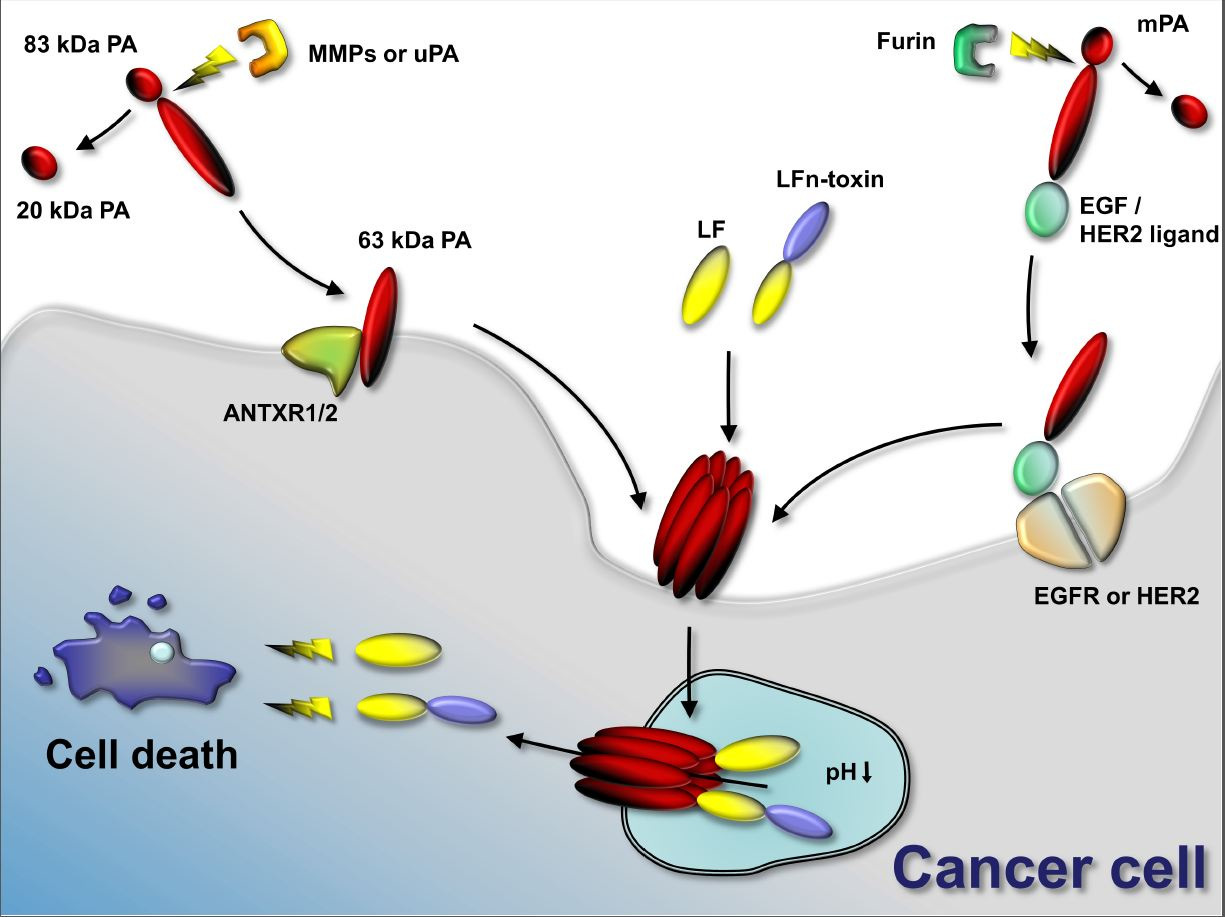
(Data source: Bachran C, et al. Toxins. 2016)
Targeted therapy for PA
Obiltoxaximab (ANTHIM®) is a monoclonal antibody targeting anthrax caused by Bacillus anthracis, developed by Elusys, for the treatment of inhaled anthrax in adults and children, in combination with an appropriate antimicrobial agent. ANTHIM is indicated for the prevention of inhaled anthrax caused by B. anthracis when no alternative therapy is available or applicable. Obiltoxaximab received FDA approval for commercial use in 2016 and Health Canada approval in 2020.
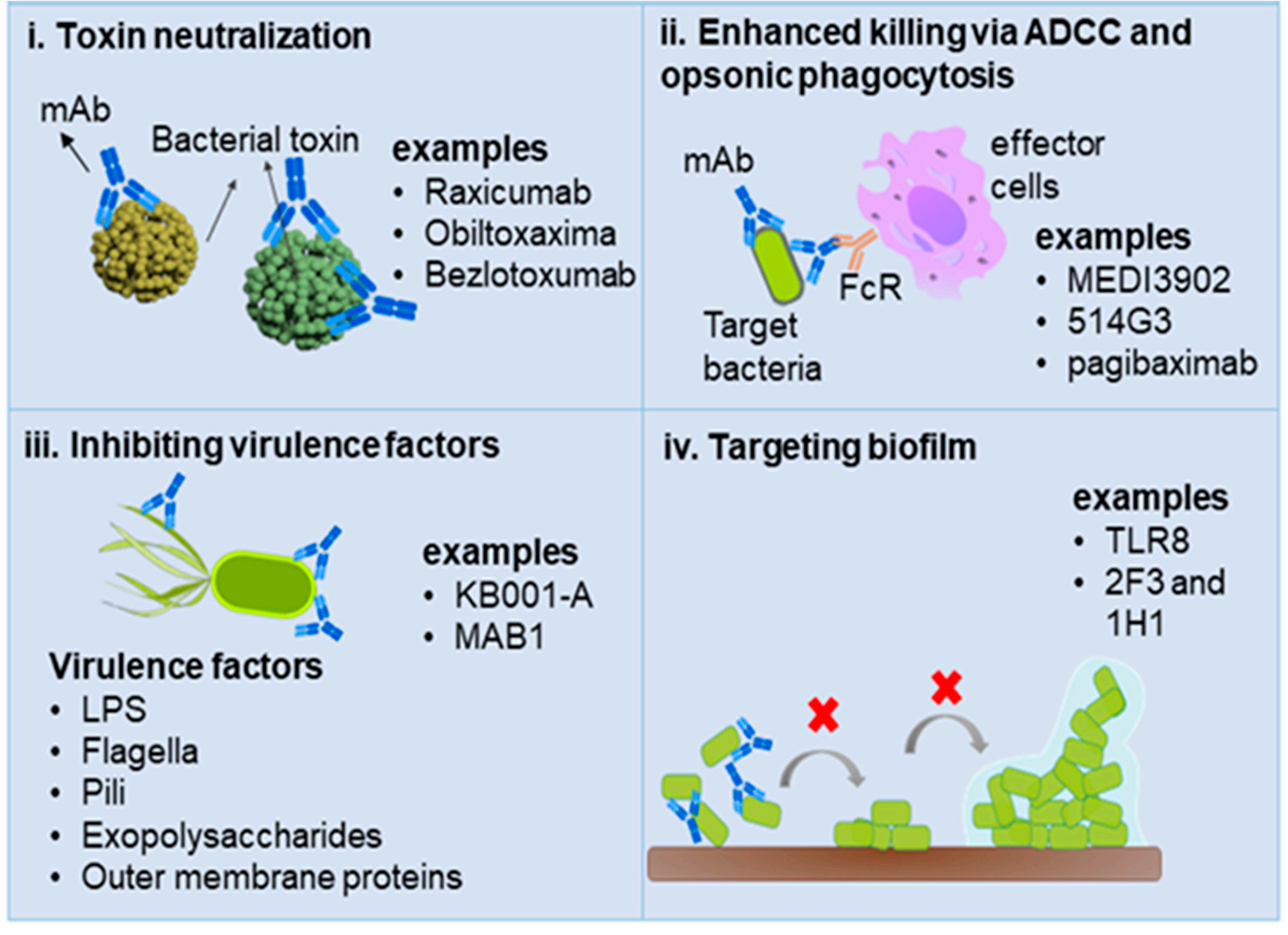
(Data source: Kusum K, et al. Biomedicines. 2023)
Raxibacumab is a monoclonal antibody targeting anthrax, providing an additional mechanism of action by blocking the activity of anthrax toxin, which plays a key role in disease progression. The efficacy of raxibacumab is based solely on five animal studies of inhaled anthrax, which demonstrated that the drug improves survival both when used in combination with antibiotics and alone. Its safety has been evaluated in 326 healthy adult volunteers at the recommended dose. The most frequently reported adverse reactions (≥1.5%) included rash, pain in the extremities (arms and legs), itching, and drowsiness.
