TAG-72 is a tumor-associated glycoprotein, first discovered in 1981 through binding to the murine antibody B72.3, which recognizes the epitope NeuAc2-6aGalNAcal-0-Ser/Thr (STn). Also known as CA72-4, TAG-72 is a specific tumor marker, highly expressed in human adenocarcinomas (such as gastric, colorectal, breast, and lung cancers) but at lower levels in normal tissues. Elevated serum CA72-4 levels are an effective indicator for diagnosing and predicting cancers, including ovarian, cervical, and endometrial cancers. In ovarian cancer patients, the most common type, serous ovarian cancer, is positively correlated with calcineurin (CaN) expression. Due to its high SEN and SPE values, CA72-4 is more commonly used as an indicator in digestive system tumors, especially gastric cancer.
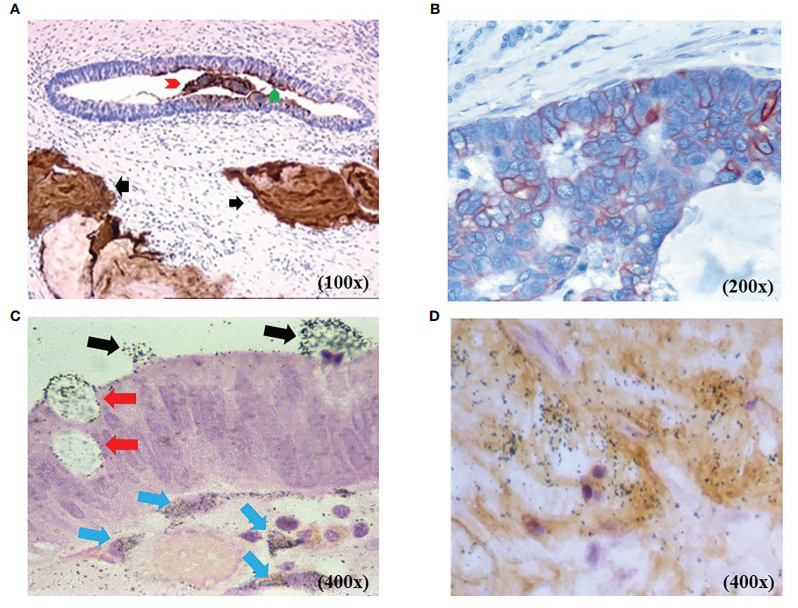
(Data source: Hitchcock CL, et al. Front Oncol. 2021)
The role of TAG-72 in diseases
Glycosylation is the most common post-translational modification of cellular proteins and lipids. Aberrant O-glycosylation is a hallmark of cancer. This process produces immunogenic glycosides, collectively known as tumor-associated carbohydrate antigens (TACAs). Mucins and other glycoproteins co-express TACAs, such as truncated core Tn, STn, T, and ST, as well as Lewis (Le) blood group antigens Lea/x and Leb/y and their sialylated glycosyl forms. A single glycoprotein can express multiple different TACAs. Accumulation of Tn, STn, T, and ST is characteristic of colorectal cancer and other cancers.
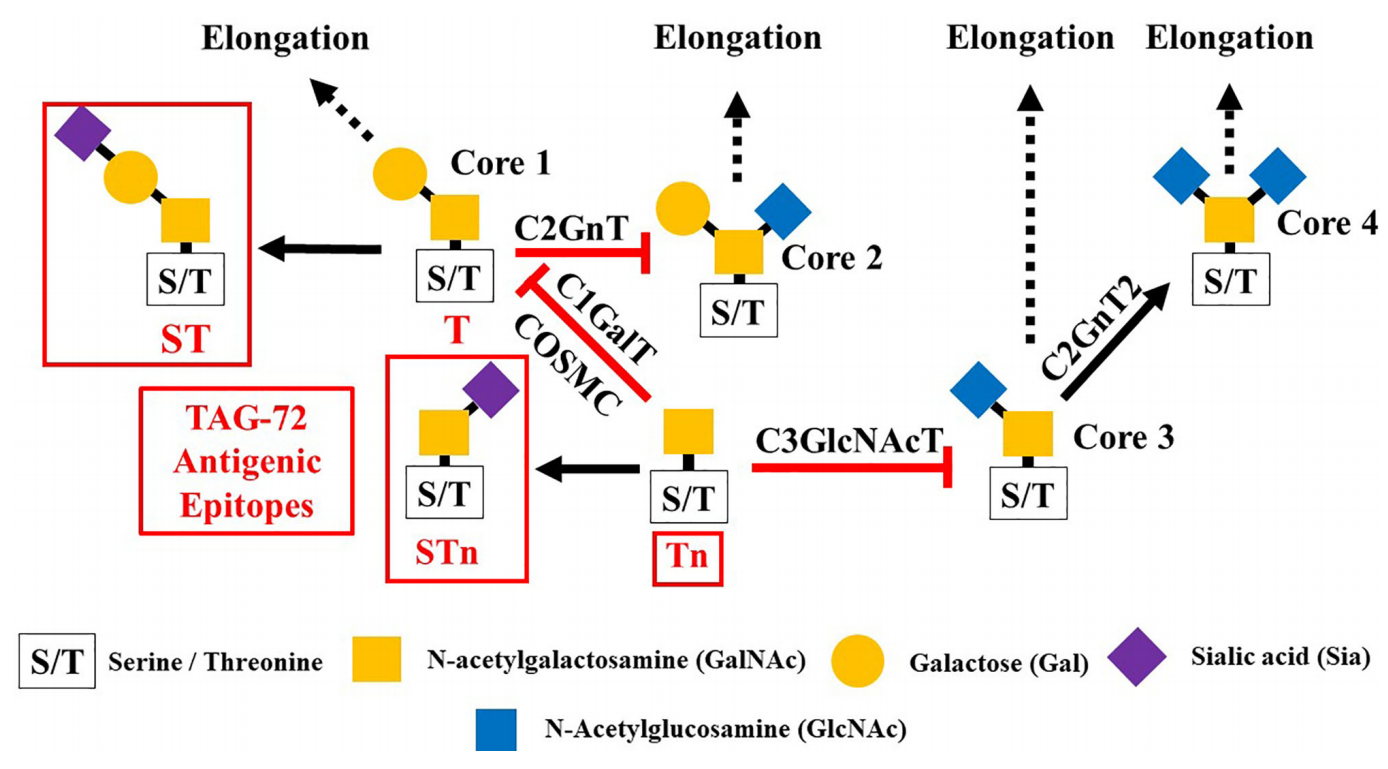
(Data source: Hitchcock CL, et al. Front Oncol. 2021)
The formation of TAIR depends on the ability of immature dendritic cells (iDCs) to transform into mature dendritic cells (mDCs), which then migrate to tumor-associated lymphoid tissue (tumor-associated lymphoid tissue). In the tumor-associated lymphoid tissue, the maturation of dendritic cells generates three signals that activate naive CD4+ and CD8+ T cells to become effector T cells required to combat tumorigenesis. The binding of TACA (tumor-associated inflammatory response) with iDCs in the tumor microenvironment and tumor-associated lymphoid tissue can lead to the progression of colorectal cancer.
In colorectal cancer, key leukocyte lectins associated with TAG-72-related TACAs include sialic acid-recognized Ig-like lectins (Siglecs), C-type lectin macrophage galactose-type lectin (MGL), and dendritic cell-specific ICAM-3 capture non-integrin (DC-SIGN). Binding of these to immature dendritic cells (iDCs), NK cells, and macrophages leads to suppression of TAIR (tumor antigen immune response) in colorectal cancer.
Various TACAs (including STn, ST, and mono- or disialylated Lex/a and Ley/b sugars) bind to a single carbohydrate recognition domain of Siglecs on dendritic cells, macrophages, NK cells, and monocytes. MGLs are expressed on both dendritic cells and macrophages and specifically bind to GalNAc on Tn and STn. This binding generates a variable inhibitory signaling pathway that suppresses iDC maturation. Inhibition of iDC maturation suppresses the migration of iDCs to tumor draining lymph nodes (TDLNs). Functional changes include suppression of major histocompatibility complex (MHC) molecule expression, co-stimulatory molecule expression, and secretion of pro-inflammatory cytokines such as IL-6 and IL-12, which suppress TAIR. Simultaneously, the release of anti-inflammatory cytokines such as IL-10 and TGF-β is increased, which further suppresses T helper 1 (Th1) TAIR while activating Th2, Th17, and regulatory T (Treg) cells. Treg activation inhibits TAIR by further suppressing iDC maturation. Th1 cells are induced to become dysfunctional by binding to the cytotoxic T lymphocyte-associated protein 4 (CTLA-4) and the CD80/86 co-stimulatory molecule, thereby suppressing TAIR.
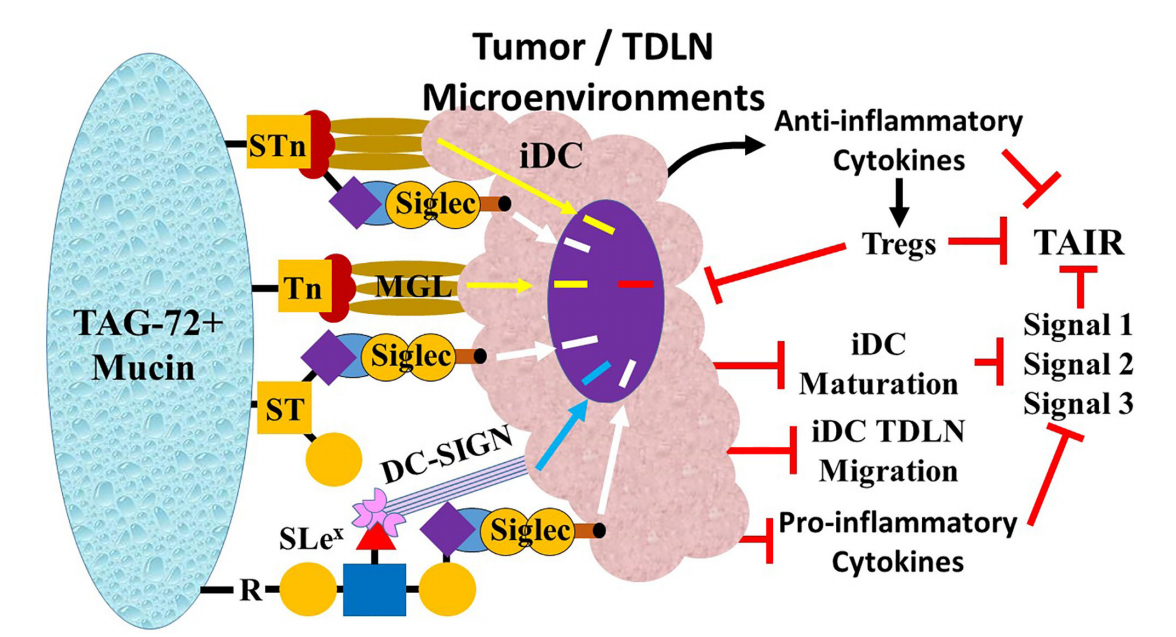
(Data source: Hitchcock CL, et al. Front Oncol. 2021)
Targeted therapy for TAG-72
CTH-401 is an investigational allogeneic induced pluripotent stem cell (iPSC)-derived chimeric antigen receptor (CAR) natural killer (NK) cell therapy developed by Cartherics for targeting solid tumors. CTH-401 is genetically engineered to integrate a proprietary second-generation CAR construct that specifically targets TAG-72, while deleting two genes associated with immunosuppression. The TAG-72 CAR enables precise targeting of cytotoxicity (complementing the natural NK cell receptor that mediates tumor cell killing), while the gene deletion prolongs the survival of CTH-401 and enhances its long-term efficacy. The final product is derived from a precisely characterized, clonal iPSC master cell bank. Following successful pre-IND approval and collaboration with the U.S. Food and Drug Administration (FDA), CTH-401 is planned to enter clinical trials for ovarian cancer in 2026. Based on early clinical data, CTH-401 will subsequently enter basket trials for other TAG-72+ solid tumors.
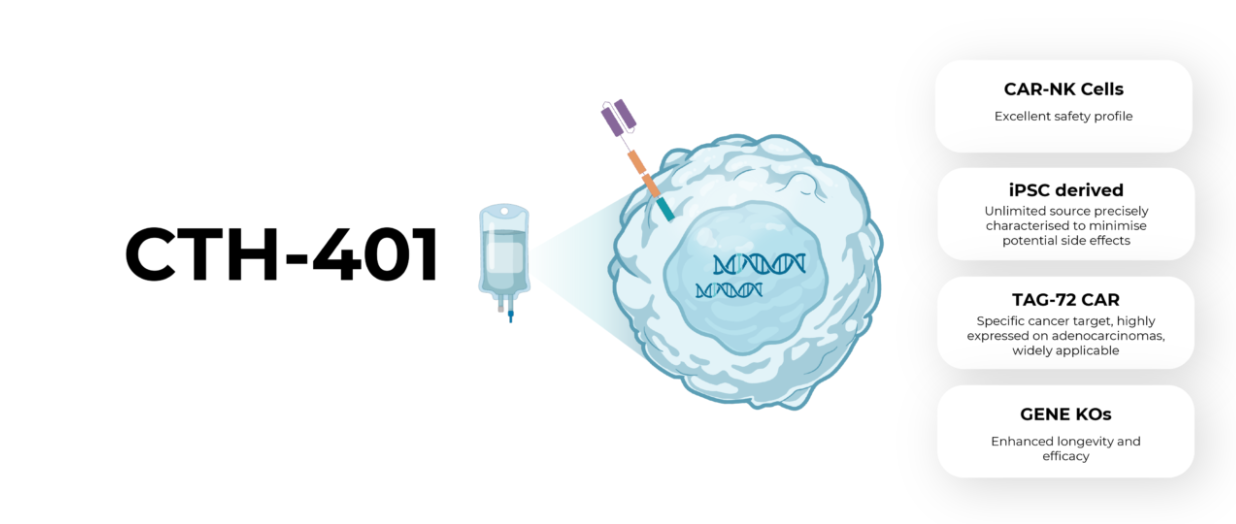

(Data source: Cartherics official website)
TGW101 is an antibody-drug conjugate (ADC) developed by Tagworks Pharmaceuticals that targets TAG-72. It consists of a TAG72-binding bivalent and a monomethyl orexin E (MMAE) toxin linked via a TCO. MMAE has a well-defined and manageable safety profile and a documented bystander effect. In TGW101 therapy, the ADC is first administered, allowing it to bind to the tumor and be cleared from circulation. A triggering molecule is then injected systemically, causing the tumor-bound ADC to cleave and passively distributing the MMAE to surrounding tumor cells. Preclinical studies have shown that activation of the TGW101-ADC at the tumor site leads to high and sustained orexin concentrations in the tumor microenvironment, resulting in a strong therapeutic effect; while mice receiving a protease-like cleavable ADC showed almost the same rate of disease progression as the control group. This project is currently being evaluated in an IND (Investigational New Drug Application) supporting investigation.
