CCR9 (CC chemokine receptor 9) is the only known functional receptor for the chemokine CCL25, and its core physiological function is to mediate the homing of immune cells to the thymus and small intestine. Drug development targeting this target has shifted its focus from inflammatory bowel disease (IBD) to oncology: Vercirnon, a CCR9 antagonist that entered phase III clinical trials, failed to replicate its phase II efficacy in Crohn's disease, suggesting that simply blocking the chemokine axis has a limited therapeutic window in IBD; while the abnormally high expression of CCR9 in various solid tumors and its regulation of invasion, drug resistance, and the immune microenvironment make it a more promising target for cancer therapy.
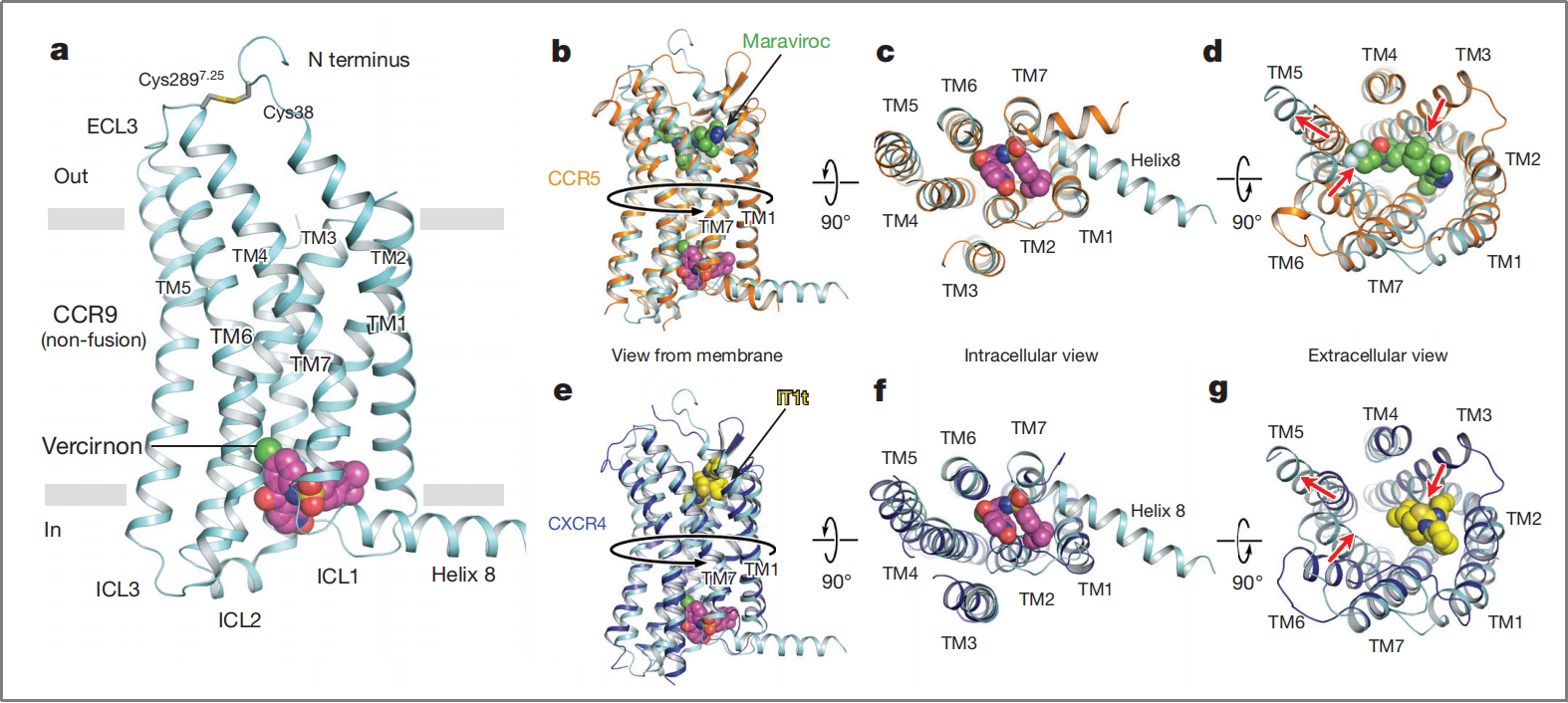
(Data source: Wang Z, et al. Cell Biol Toxicol. 2022)
Chemokine receptor family
Chemokine receptors (GPCRs) are the core regulators of immune cell migration and are a highly anticipated but clinically challenging family of GPCRs in drug development. Their basic framework can be summarized as approximately 22 typical receptors, categorized into four subfamilies based on ligand binding specificity: CCR, CXCR, CX3CR, and XCR. Typical GPCRs are all seven-transmembrane G protein-coupled receptors, primarily coupled to Gαi proteins, driving cell chemotaxis, adhesion, and survival through downstream pathways such as PI3K, PLCβ, and MAPK. Another class of atypical receptors (ACKRs) does not rely on G protein signaling. These receptors lack the highly conserved DRYLAIV motif found in typical receptors and do not use G protein signaling. Instead, they act as "scavengers" or "decoys," binding to and internalizing degrading chemokines, shaping chemokine gradients, and limiting the spread of inflammation.
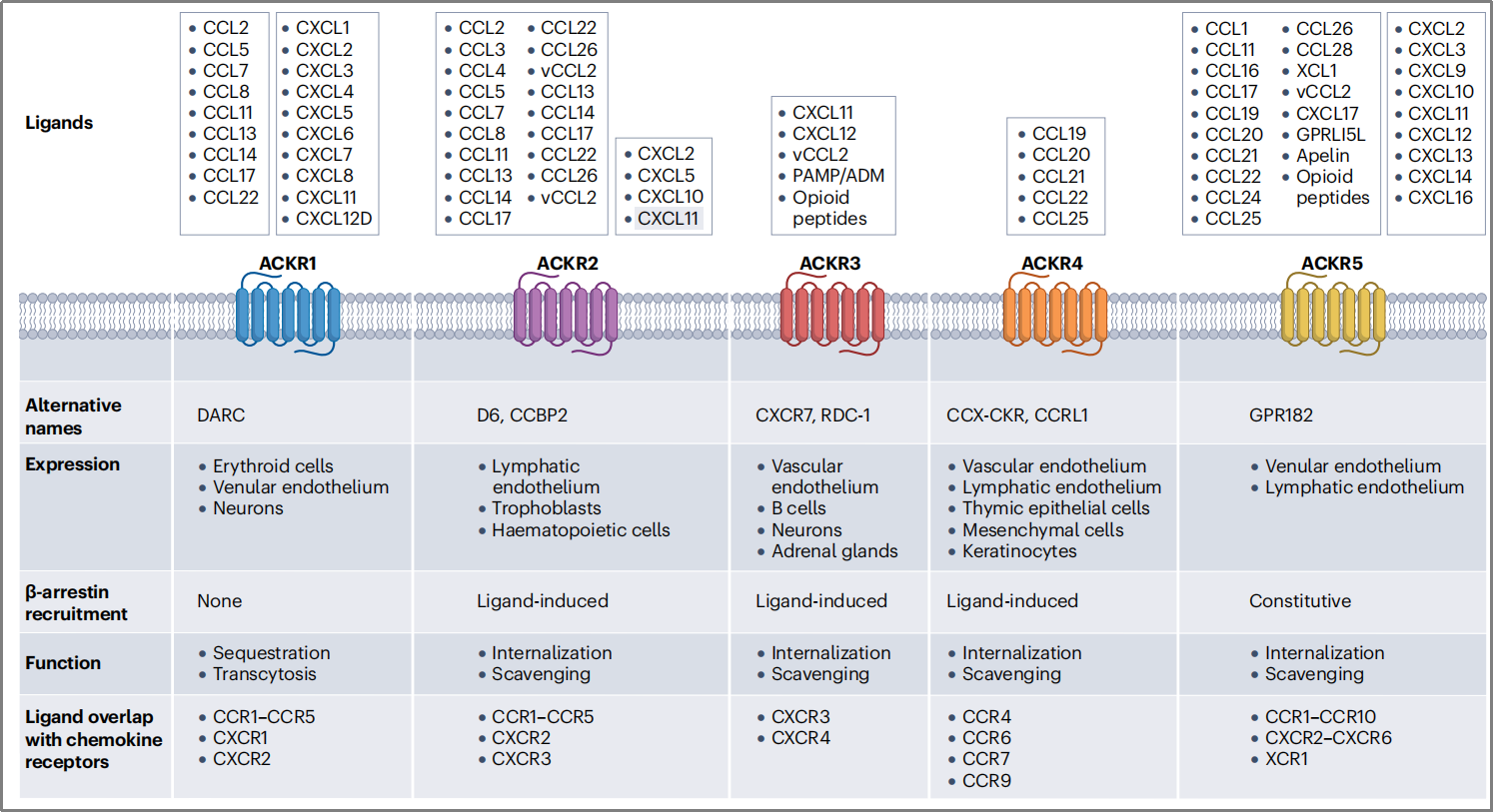
(Data source: Szpakowska M, et al. Nat Rev Immunol. 2025)
CCR9 chemokine
CCR9 is located on chromosome 3p21.31 and belongs to the β-chemokine receptor family. It contains transcript A (369 amino acids, 42 kDa) and transcript B (1-12 aa deletion, 357 amino acids, 40.8 kDa). The molecular structure of CCR9 (25-340 aa) is shown in the figure, which is a typical GPCR protein with multiple transmembrane structures.
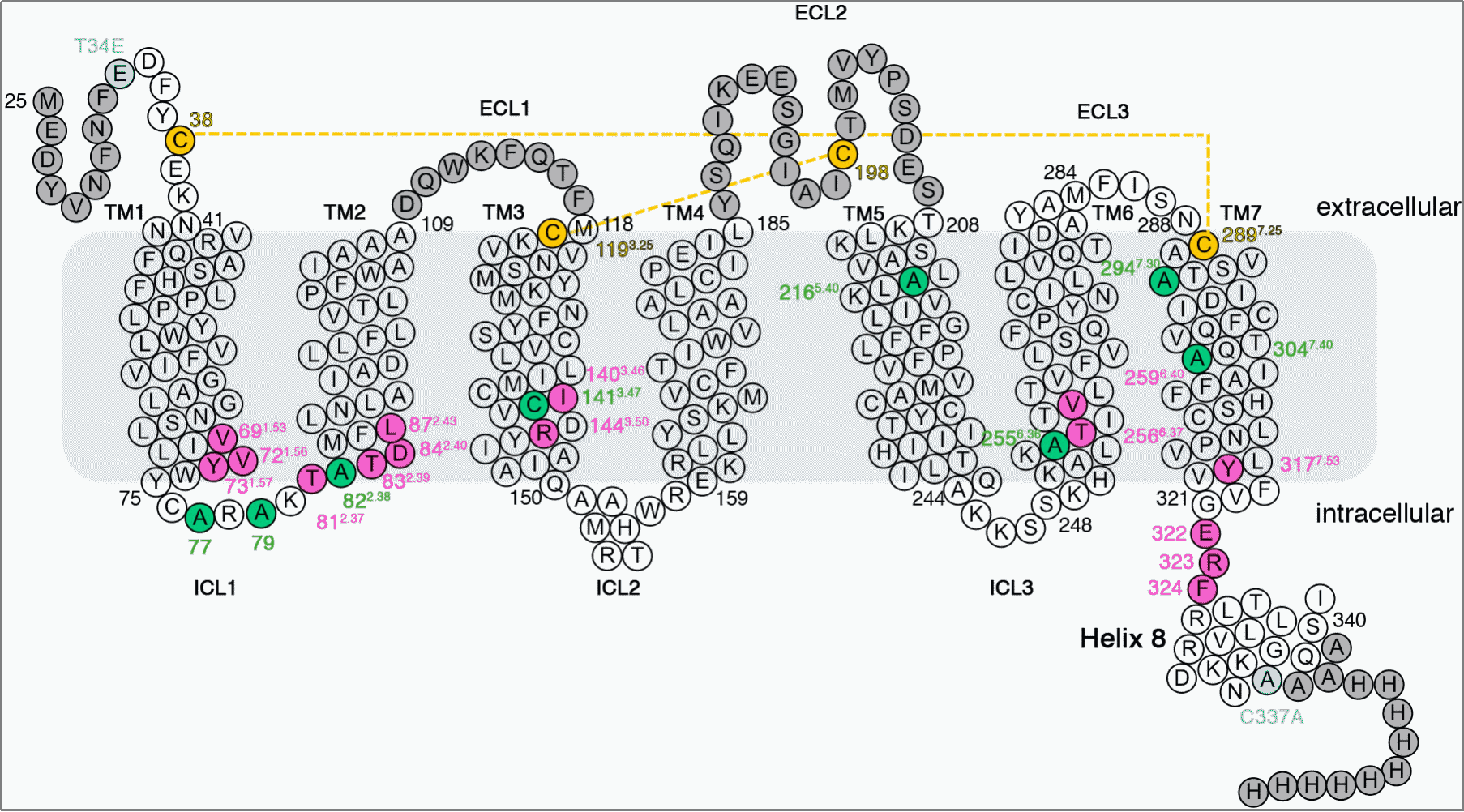
(Data source: Wang Z, et al. Cell Biol Toxicol. 2022)
CCR9 is mainly distributed on the surface of immature T lymphocytes and intestinal cells, and plays a role in T lymphocyte development and tissue-specific homing when it binds to specific ligands.
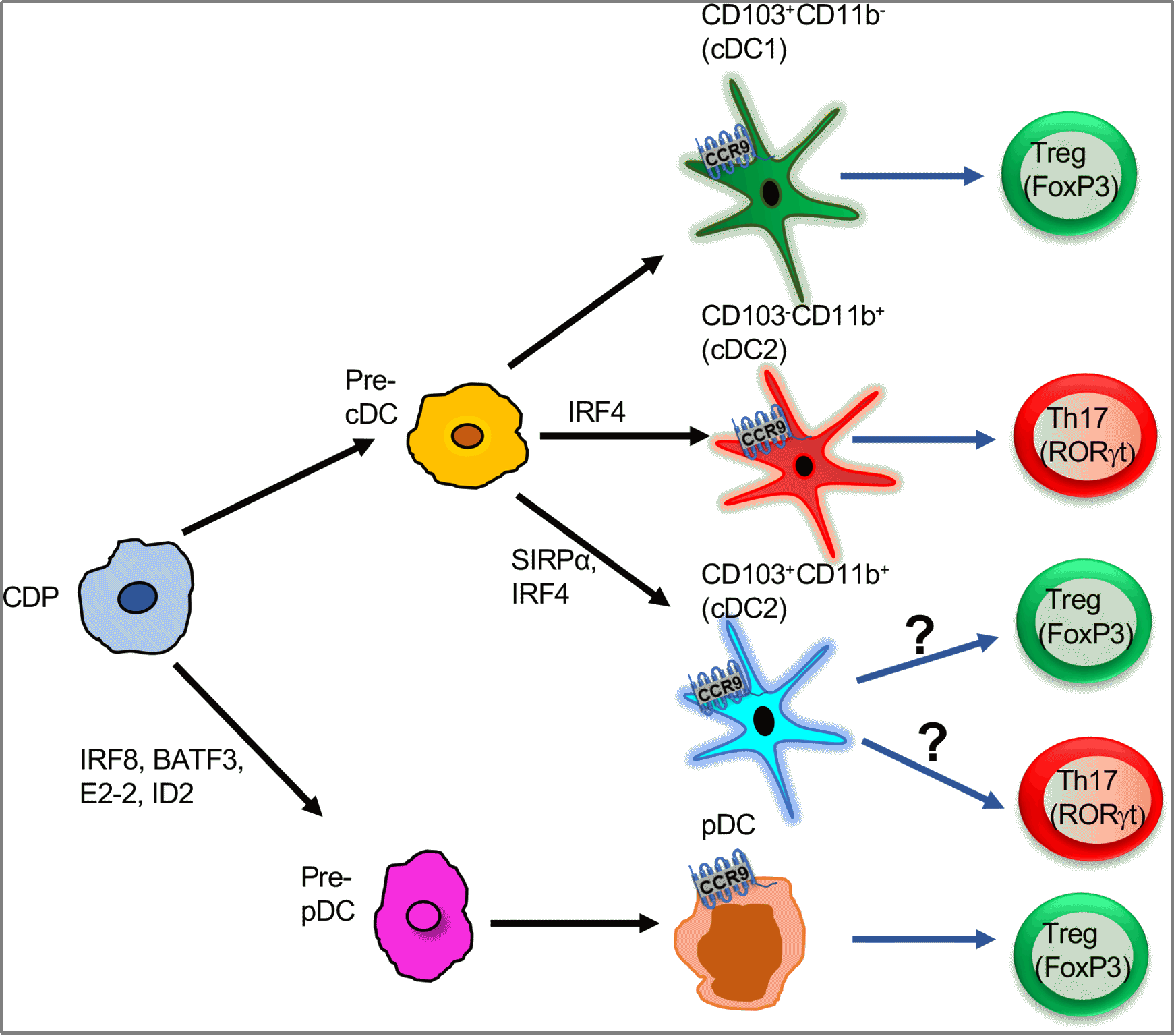
(Data source: Pathak M, et al. Front Immunol. 2020)
The role of CCR9 in disease
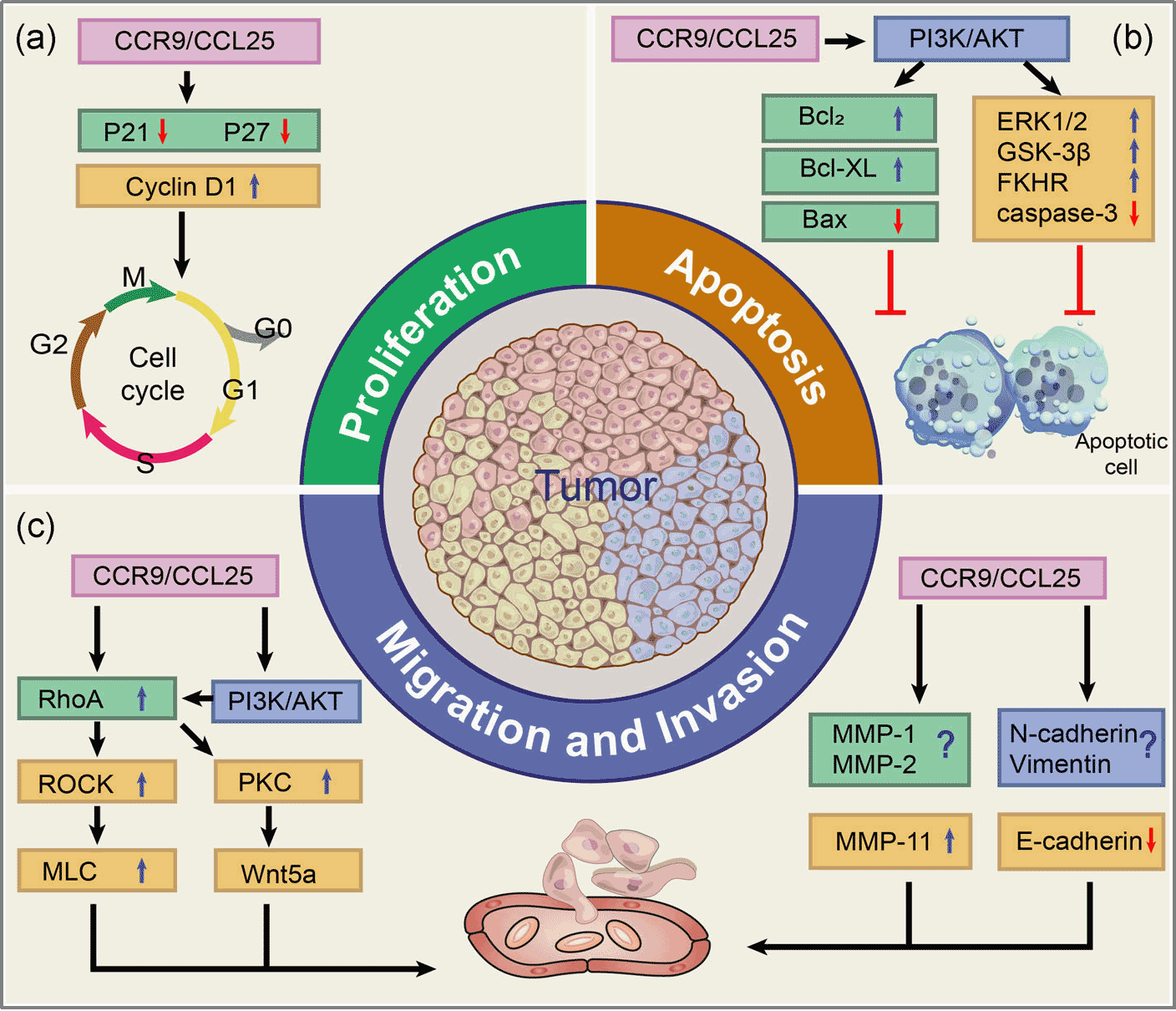
Multiple studies have found that CCR9 is highly expressed in various cancers. The interaction between CCL25 and CCR9 can induce tumor chemotherapy resistance through the PI3K-AKT-(GSK-3β/mTOR/NF-κB/β-catenin) and JAK-STAT pathways. The interaction between P-gp, ERM, and F-actin can also induce tumor chemotherapy resistance through the CCL25/CCR9 pathway.
(Data source: Tu Z, et al. J Hematol Oncol. 2016)
CCR9-targeted therapy
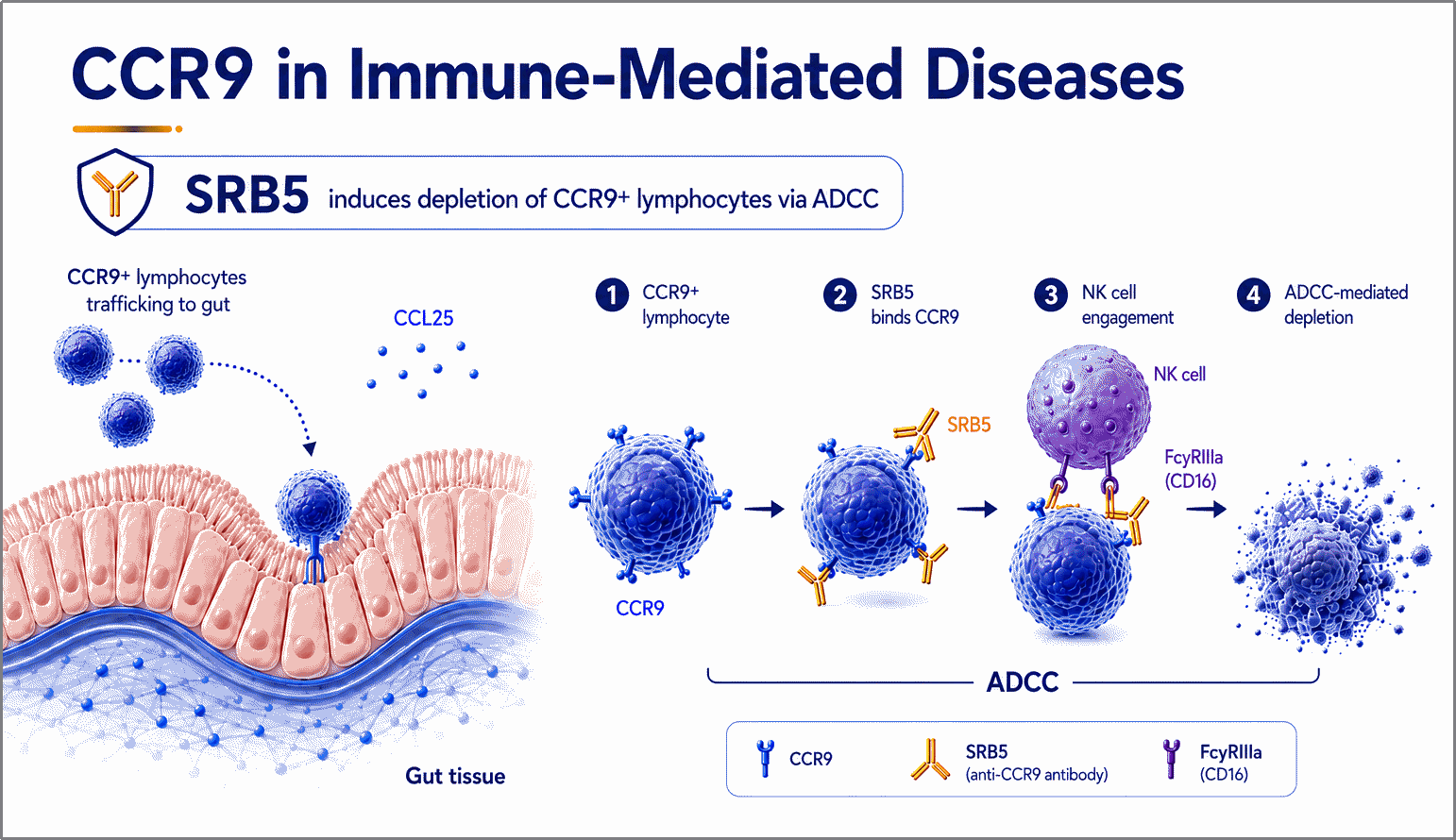
The significance of CCR9 as a potential tumor biomarker, and the involvement of the CCL25/CCR9 pathway in tumor chemotherapy resistance and metastasis, make it a potential target molecule for cancer treatment. For example, SRB5 (a monoclonal antibody targeting CCR9) selectively eliminates CCR9⁺pathogenic T cells through ADCC, restoring the immune balance of inflamed intestinal tissue.
(Data source: SunRock official website)
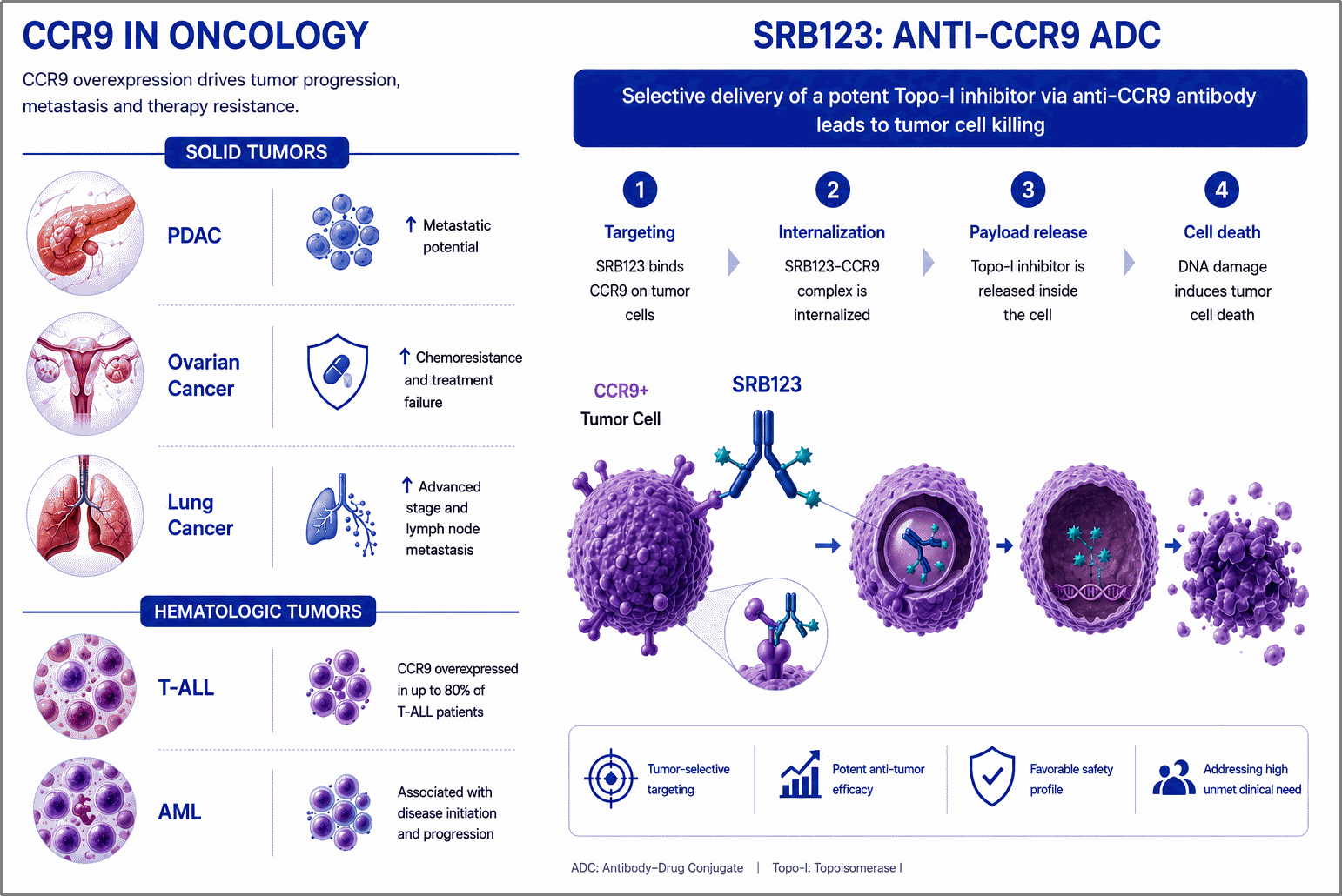
In hematologic malignancies, CCR9 is frequently overexpressed in T-ALL and AML and is associated with disease occurrence and progression. SRB123 (an ADC drug targeting CCR9) is designed to selectively deliver potent cytotoxic drugs to CCR9⁺ tumor cells, thereby inducing the killing of targeted tumor cells while limiting exposure to CCR9-negative tissues.
(Data source: SunRock official website)
