Tissue fibrosis is caused by a dysregulated and chronic wound healing response accompanied by chronic inflammation and angiogenesis. Regardless of the affected organ, fibrosis shares common characteristics: recruitment of immune cells, activation/proliferation of fibroblasts, and excessive deposition of the extracellular matrix. Chemokines play a crucial role in initiating and advancing these fibrotic processes. CCL24 (eotaxin-2) is a chemokine secreted by immune cells and epithelial cells that promotes the migration of immune cells and the activation of pro-fibrotic cells by binding to the CCR3 receptor.

(Data source: Wang Z, et al. Cell Biol Toxicol. 2022)
Chemokine family
Chemokines are secreted proteins of 8–13 kDa that mediate the recruitment of immune cells to sites of injury and are associated with various inflammatory diseases such as atherosclerosis, multiple sclerosis, psoriasis, and insulin resistance. Chemokines are classified into four classes based on the number of amino acids between their N-terminal cysteine residues: CXC, CC, C, and CX3C.
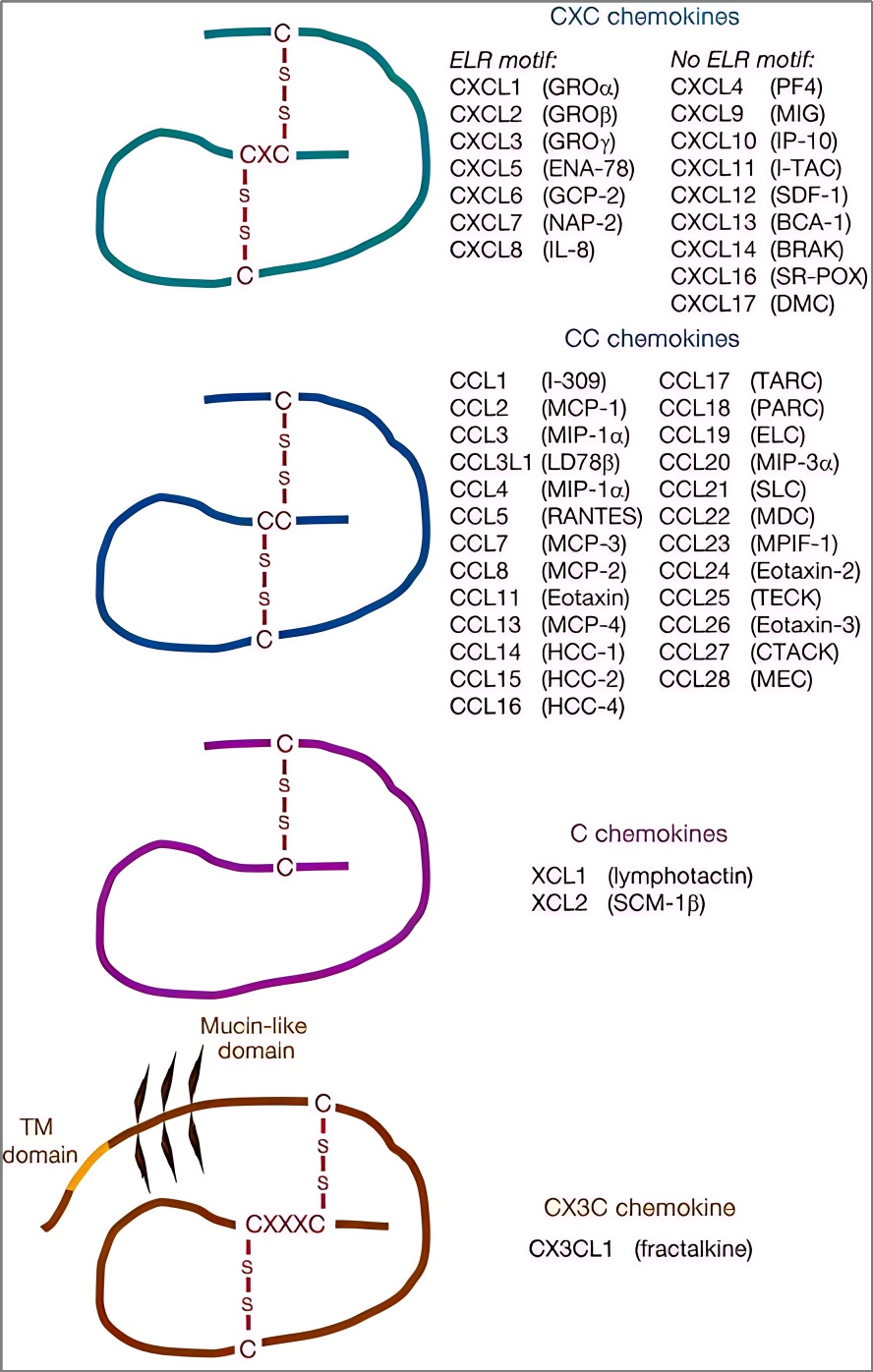
(Data source: Douglas J, et al. Clinical Biochemistry of Domestic Animals (Sixth Edition). 2022)
They exert their diverse functions by interacting with G protein-coupled receptors (GPCRs) on various target cells. Eosinophil chemokines are a subfamily of CC chemokines and were initially identified as potent eosinophil chemokines. The eosinophil chemokine family consists of three chemokines: CCL11 (eosinophil chemokine-1), CCL24 (eosinophil chemokine-2), and CCL26 (eosinophil chemokine-3), all of which bind to the same ligand receptor, CCR3.
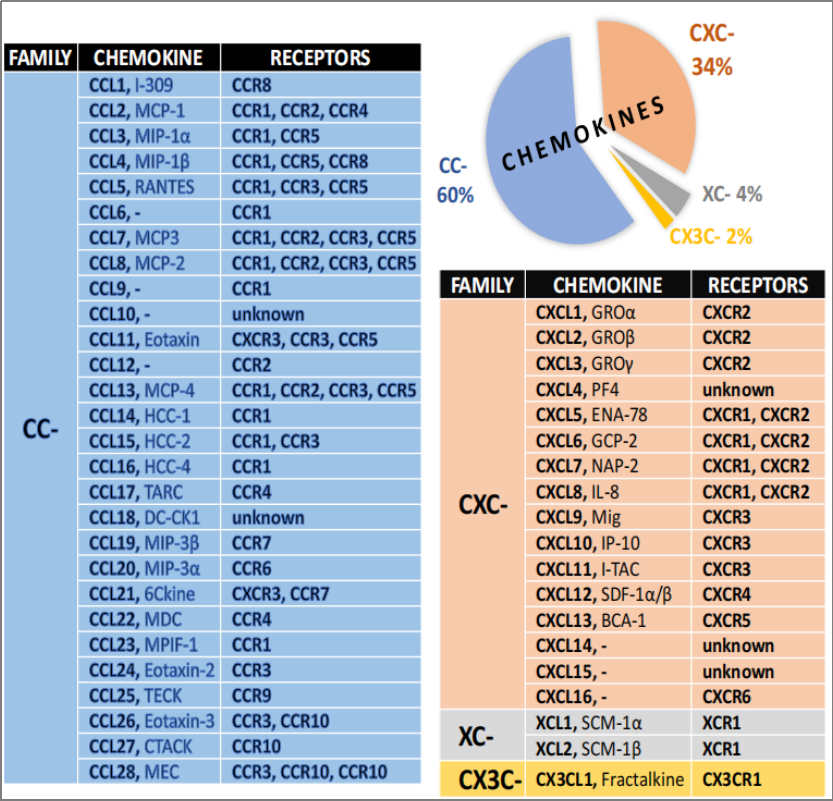
(Data source: Bogacka J, et al. Int J Mol Sci. 2022)
CCL24 chemokine
The N-terminus of CCL24 consists of a signal peptide; upon its removal, a mature secreted protein of approximately 93 amino acids is formed, which contains two pairs of disulfide bonds.
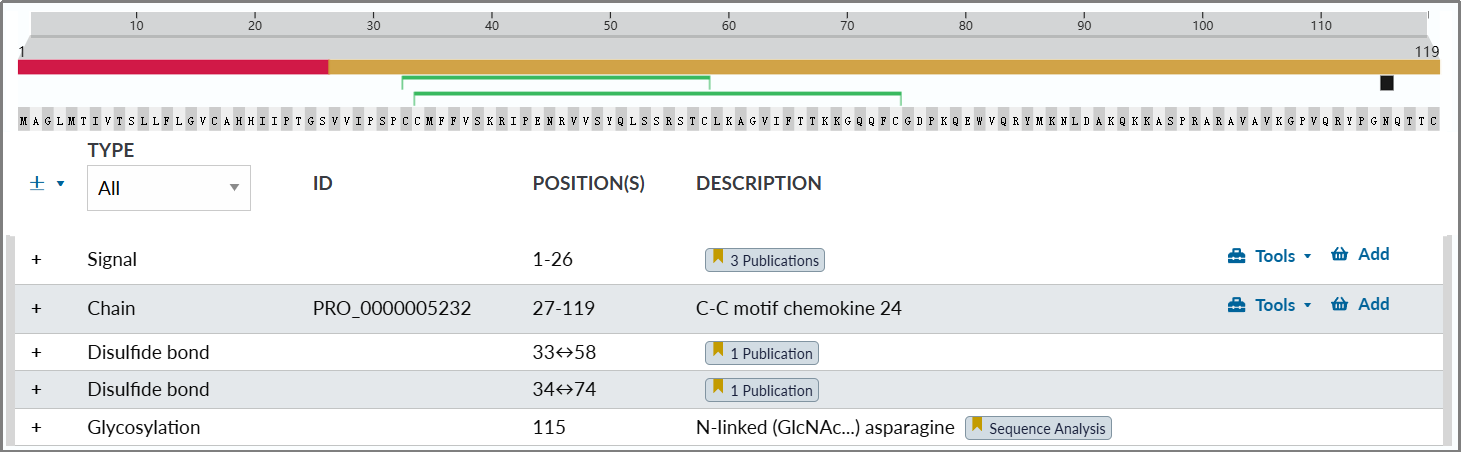
(Data source: Uniprot)
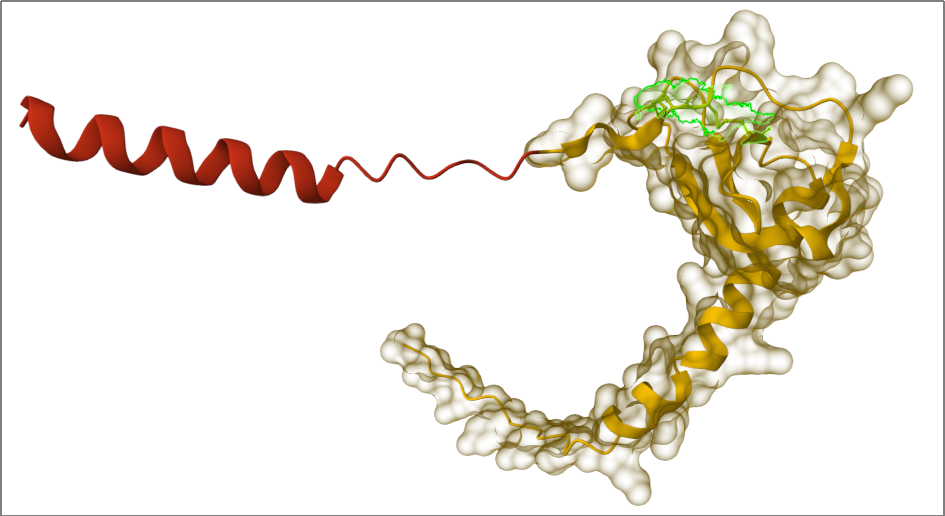
(Data source: AlphaFold DB)
The role of CCL24 in disease
CCR3 has been shown to be involved in various fibrotic and inflammatory diseases. Ligand binding to CCR3 triggers receptor dimerization/oligomerization, subsequently activating classical G protein-dependent or arrestin-dependent downstream signaling. Many chemokines involved in fibrosis can activate CCR3, including CCL3, CCL5, CCL7, CCL8, CCL11, CCL24, CCL26, and CCL28. While many ligands can activate CCR3 to promote fibrosis and inflammation, CCL24 has unique characteristics in its mechanism of action, localization, and timing. For example, CCL24 is a major eosinophil activation chemokine expressed by tumor-infiltrating eosinophils in Langerhans cell histiocytosis and has a unique association with PSC-related pathways in the liver. Even when applied to fibroblasts expressing the same CCR3, CCL24 stimulates proliferation and collagen synthesis, while CCL26 does not. Furthermore, unlike other CCR3-activated chemokines that typically exhibit broad receptor binding, CCL24 activates only CCR3, making it a promising therapeutic target for selectively inhibiting this signaling pathway.
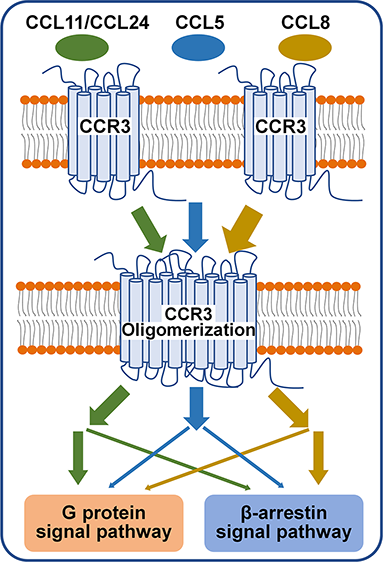
(Data source: Jiqiang Li, et al. J Phys Chem Lett. 2024)
CCL24 targeted therapy
As a type 2 cytokine, CCL24 has been found to be involved in the development of a variety of diseases, including primary biliary cirrhosis, idiopathic pulmonary fibrosis, rheumatoid arthritis, atherosclerosis, asthma, and malignant tumors. The main research focuses on the role of CCL24 in three fibrotic and inflammatory diseases: systemic sclerosis (SSc), primary sclerosing cholangitis (PSC), and metabolic-associated steatohepatitis (MASLD).
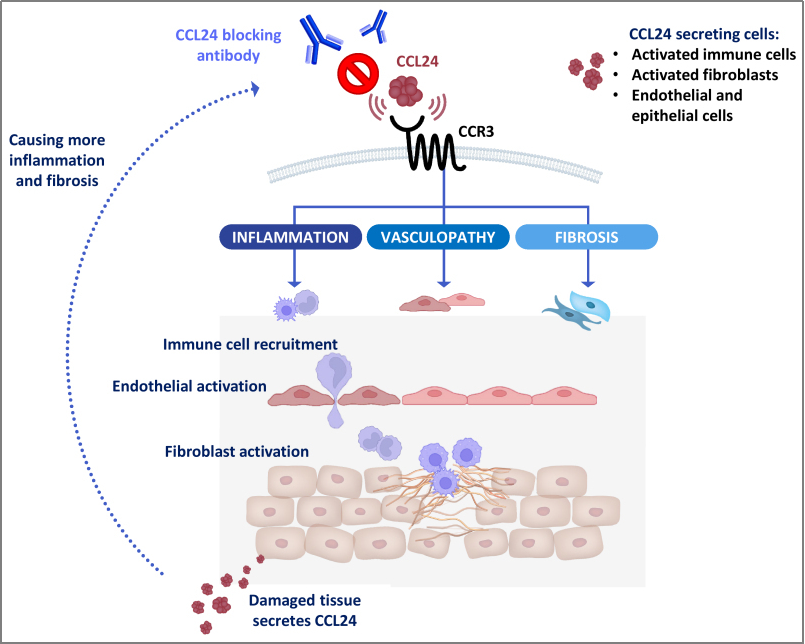
(Data source: Hilit L, et al. Rambam Maimonides Med J. 2023)
CM-101 is a first-in-class monoclonal antibody developed by Chemomab Therapeutics that targets the CCL24 protein. It has been evaluated in various in vitro, in vivo, and ex vivo preclinical models and has shown significant activity in disrupting key pathways of fibrosis and inflammation, suggesting that blocking CCL24 may have potential therapeutic effects in NASH and liver fibrosis.
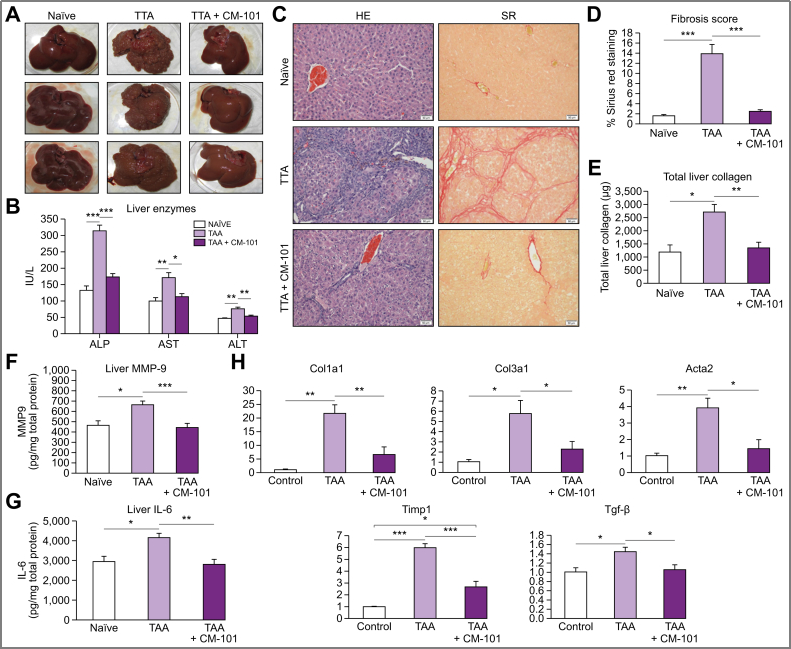
(Data source: Michal Segal-S, et al. JHEP Rep. 2020)
Early 2a clinical results showed that CM-101 treatment met its primary endpoint of safety and tolerability, and demonstrated clinically meaningful antifibrotic, anti-inflammatory and anticholesterol effects on a wide range of disease-related secondary endpoints, including a statistically significant improvement in liver stiffness (a key marker of PSC).
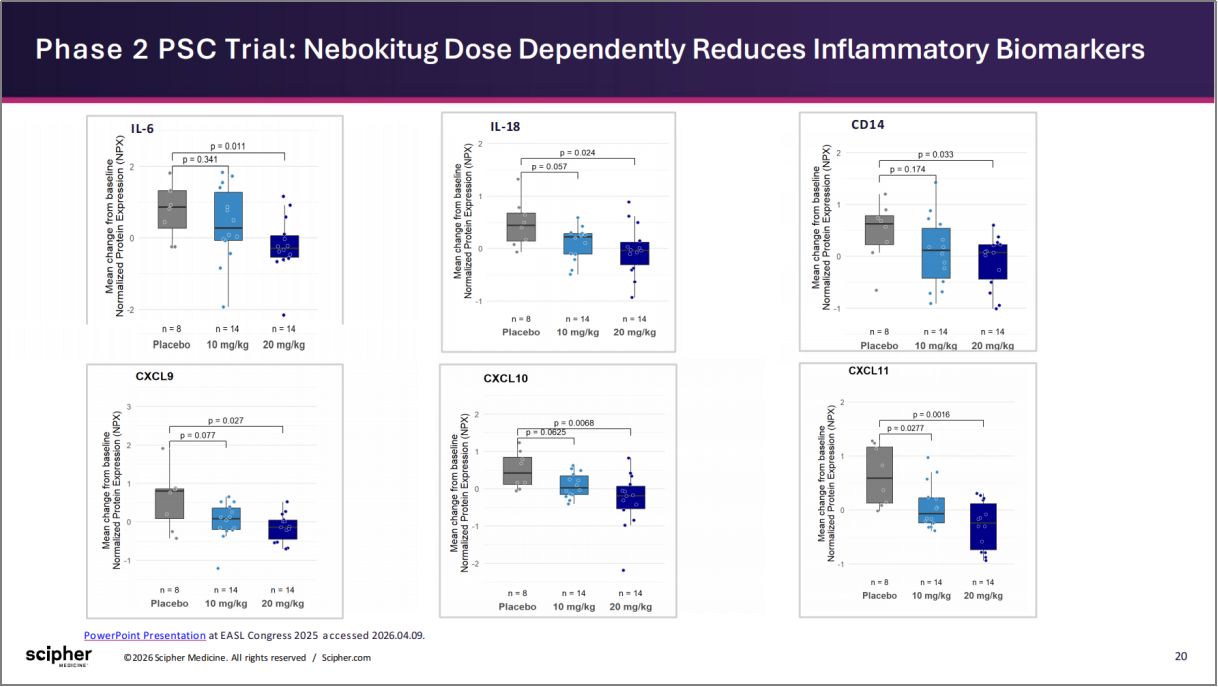
(Data source: Chemomab official website)
